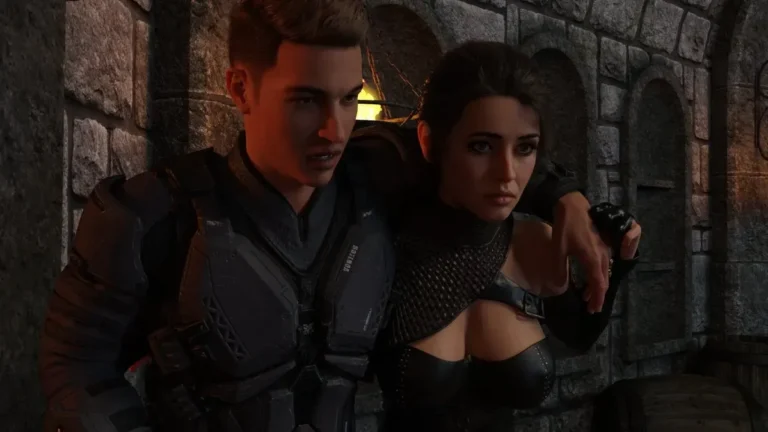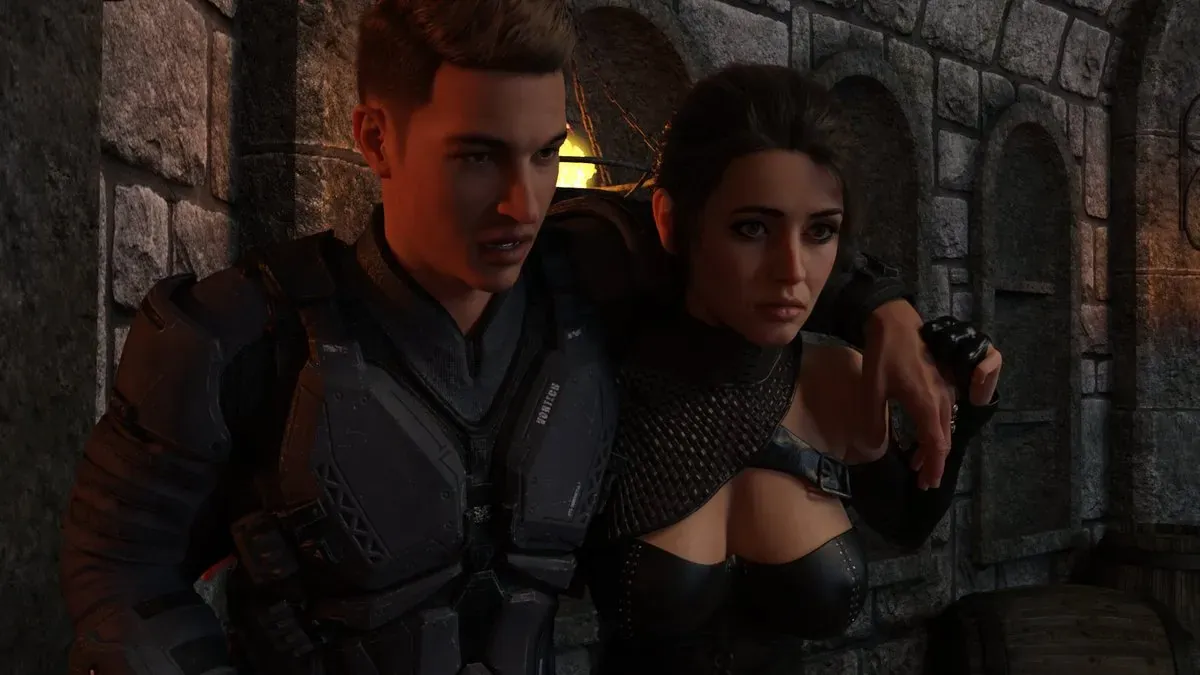
A Father’s Sins
Play A Father’s Sins
A Father’s Sins Screenshots
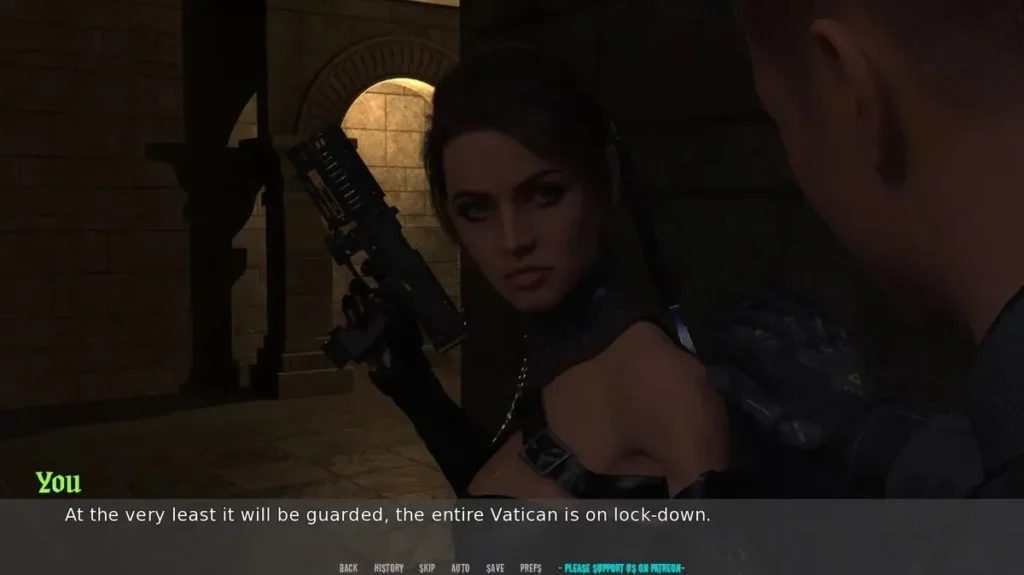
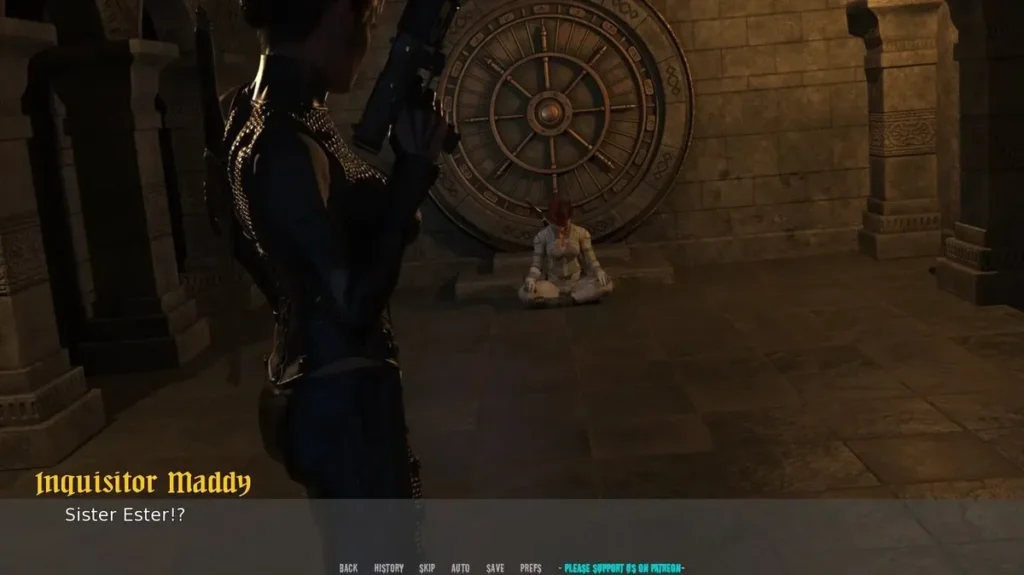
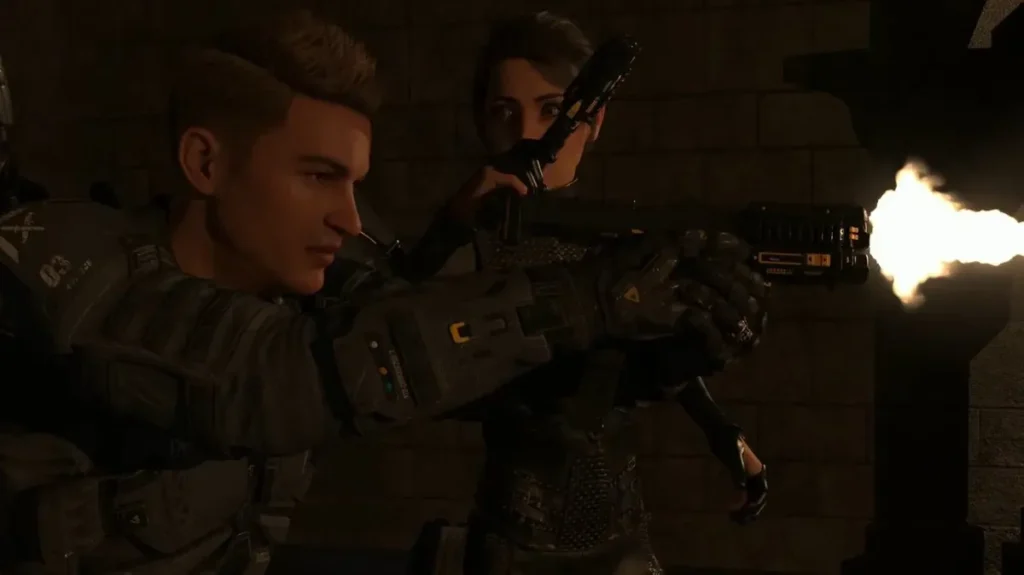
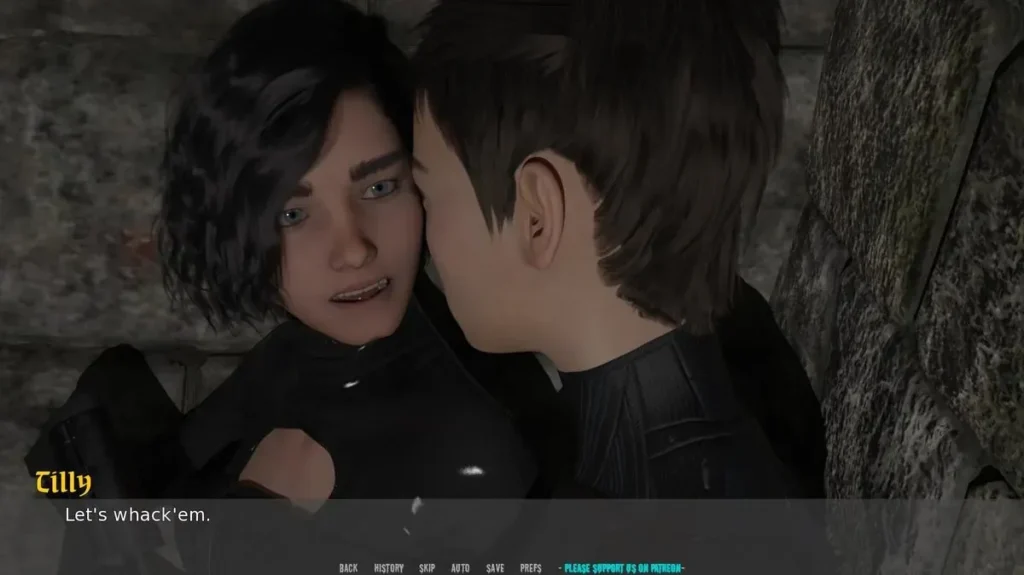
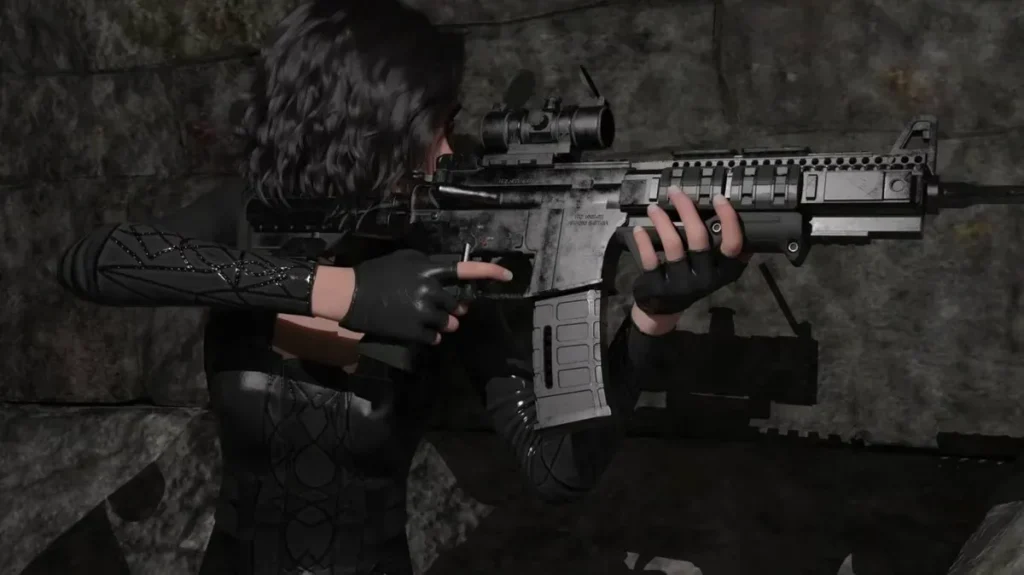
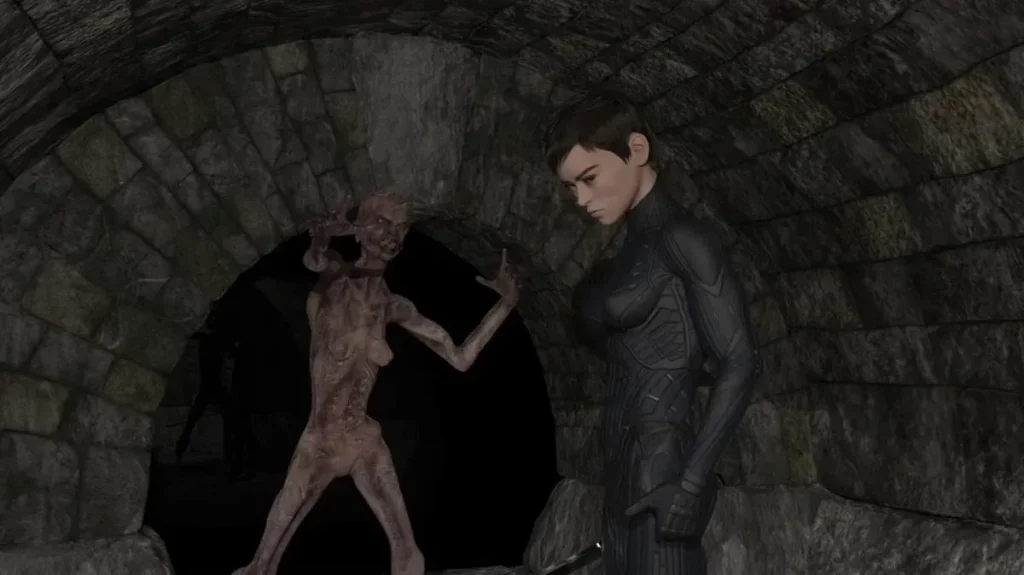
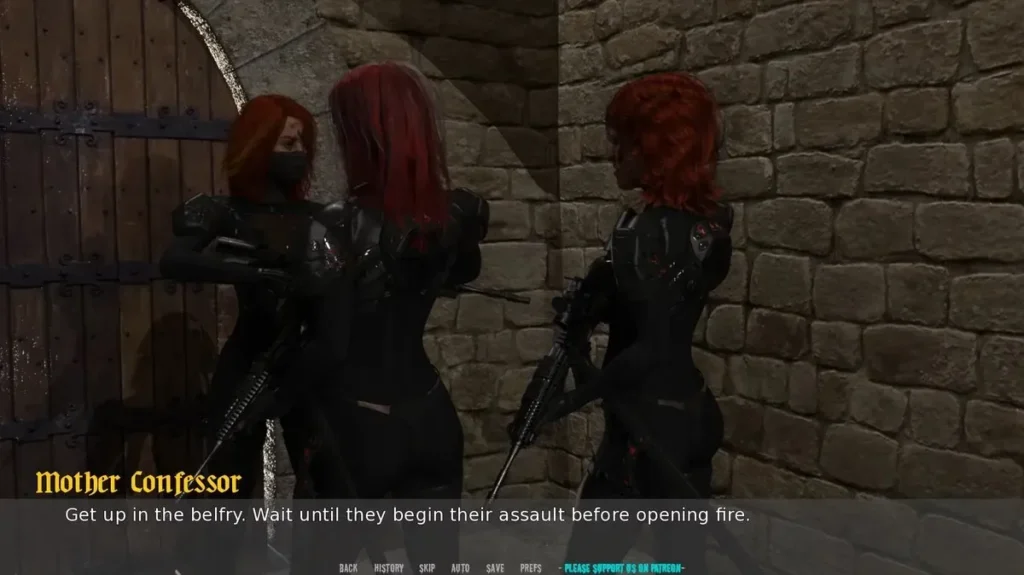
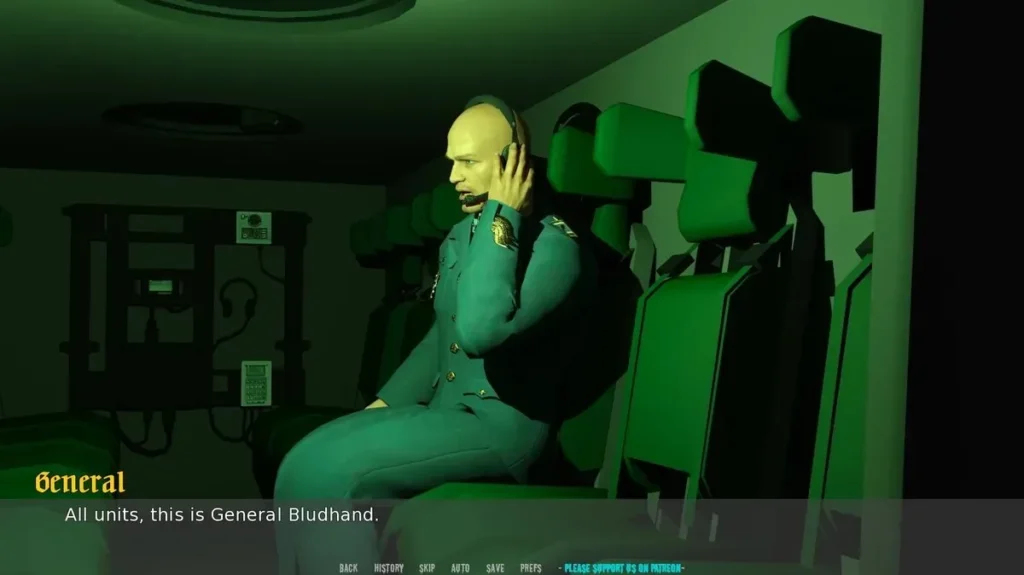
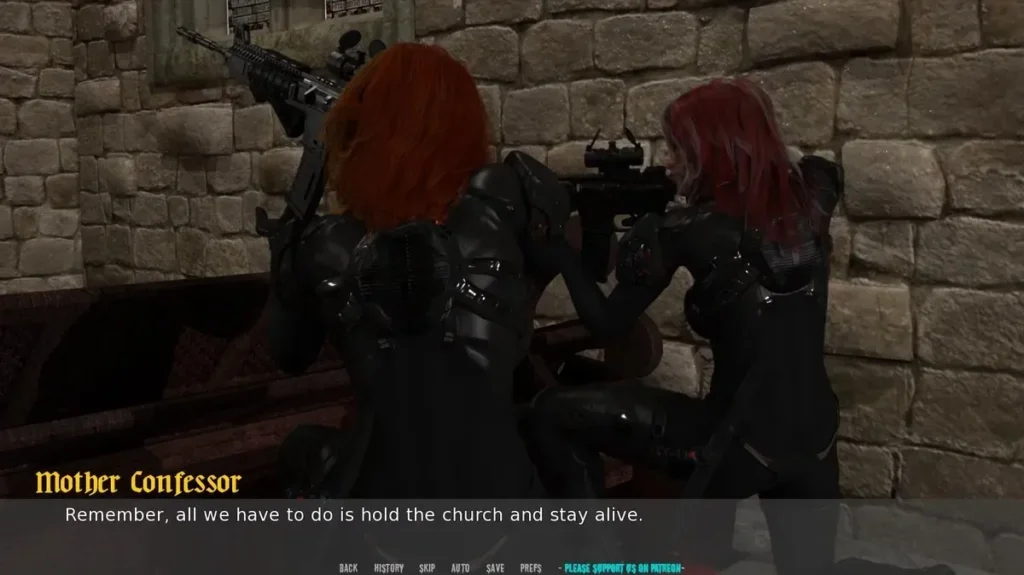
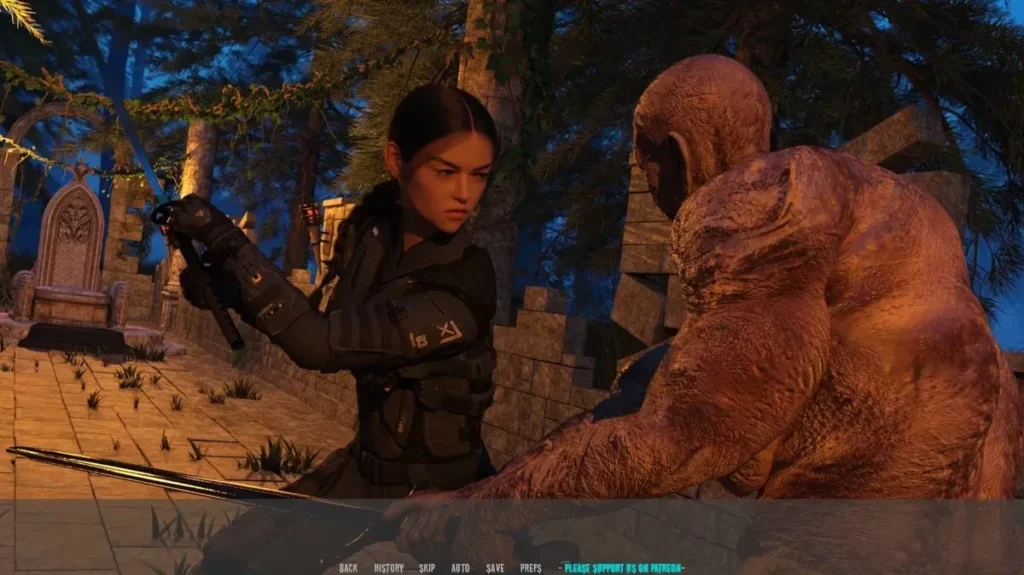
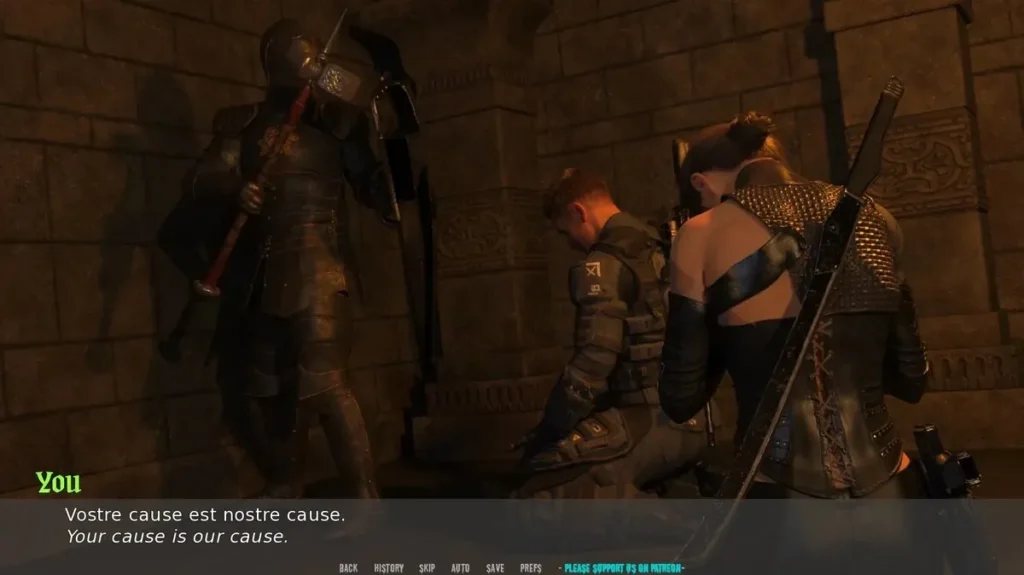
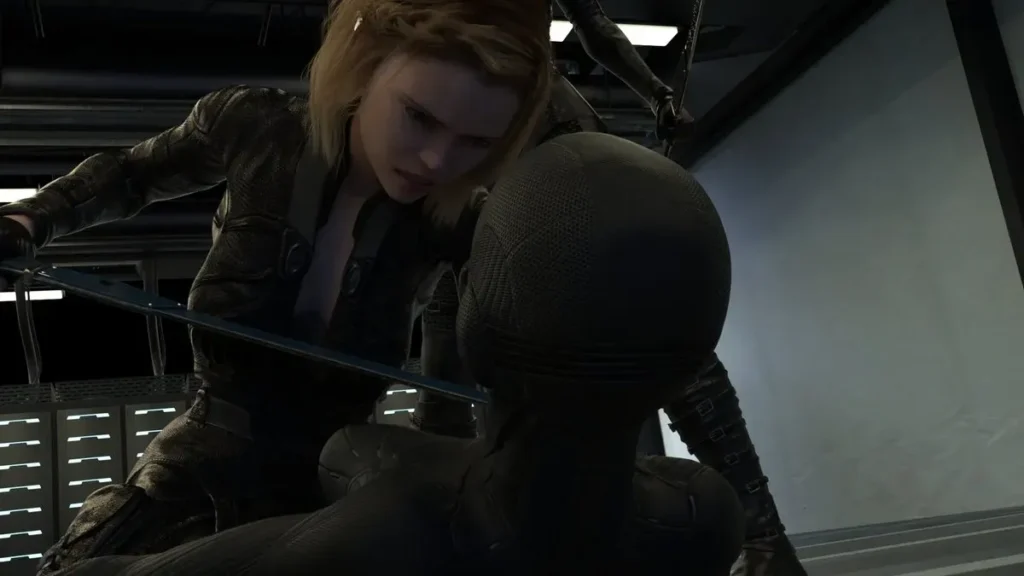
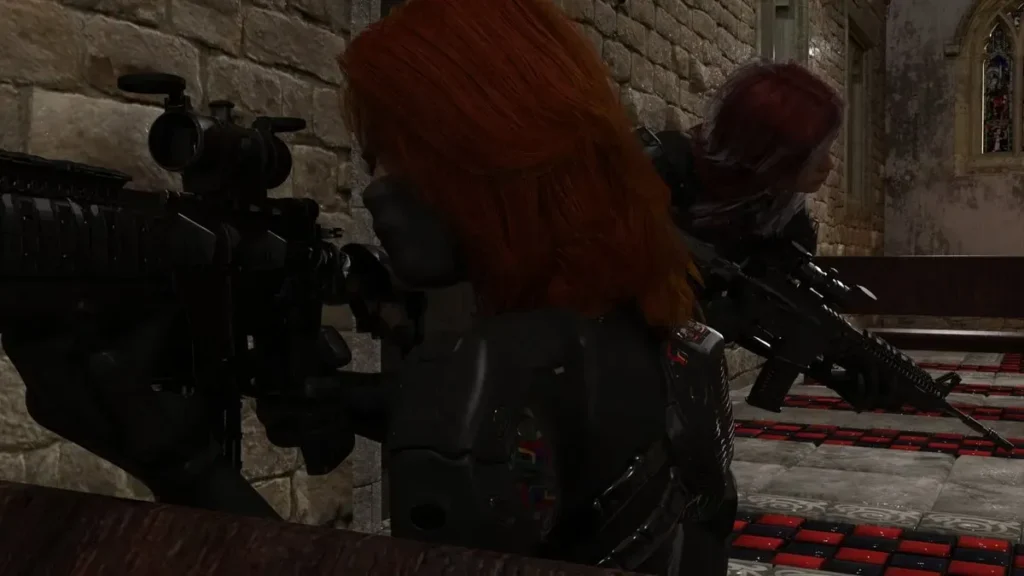
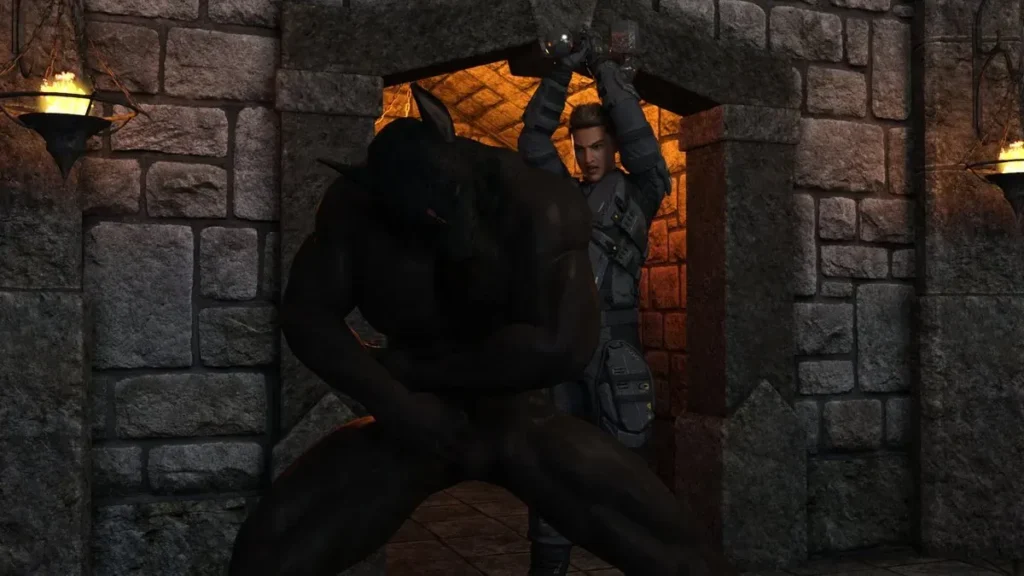
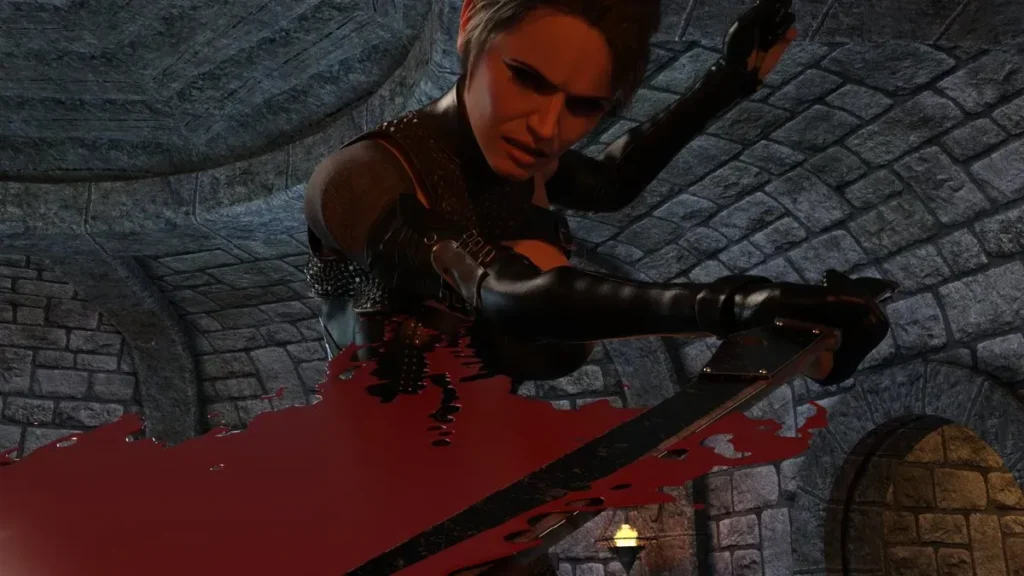
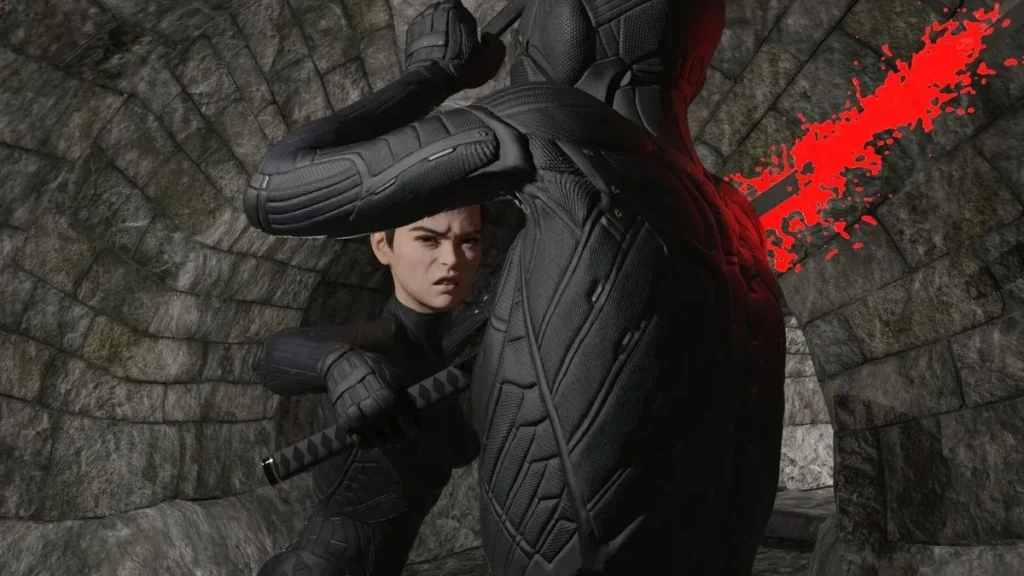
A Father’s Sins review
Explore the dark narrative, gameplay mechanics, and immersive experience of this mature visual novel
A Father’s Sins stands out as a sophisticated narrative-driven experience that blends dark storytelling with mature themes. This visual novel has captivated players with its intricate plot involving ancient evil, church conspiracies, and magical awakening in a modern city. With over 12 hours of gameplay, thousands of still scenes, and hundreds of animations, the game offers substantial content for players seeking depth beyond surface-level entertainment. Whether you’re interested in the compelling narrative, character development, or the game’s technical aspects, this guide covers everything you need to know about this expansive title.
Understanding A Father’s Sins: Story, Setting & Core Narrative
You start A Father’s Sins expecting one kind of story, and within minutes, you’re plunged into something else entirely. 🕵️♂️ One moment, you’re an ordinary guy in a city buzzing with hidden tension; the next, you’re at the heart of a grisly murder mystery that unravels into a centuries-spanning nightmare. This isn’t your typical visual novel narrative. It’s a slow-burn descent into a world where faith is a weapon, magic is a corrupting force, and every shadow holds a secret. If you’re tired of straightforward tales, buckle up. The A Father’s Sins story is a masterclass in weaving personal drama with epic, dark fantasy narrative stakes.
What gripped me immediately wasn’t just the premise, but the commitment to its atmosphere. The game doesn’t tell you it’s dark—it makes you feel the grime of the city and the weight of its history. You’re not a chosen one from the start; you’re a person caught in a gears of a conspiracy so vast it redefines your entire reality. This ancient evil game plot isn’t about a monster under the bed; it’s about a fundamental rot, a forgotten terror seeping back into the modern world through the very institutions meant to protect us. It’s this seamless blend of the intimate and the cosmic that makes the journey unforgettable.
The Central Plot: Ancient Evil and Church Conspiracy
The core of A Father’s Sins is a brilliantly constructed church conspiracy storyline that acts as the engine for everything that follows. The game opens with a seemingly isolated, horrific event—a murder that’s too brutal, too ritualistic to be random. As you, the protagonist, are drawn into investigating this crime, you begin pulling on a thread that unravels the very fabric of your city’s history. 🧵 This initial mystery is the perfect hook, grounding the epic fantasy elements in a relatable, crime-driven tension.
What you soon discover is that this murder is merely a symptom. An ancient evil, long thought sealed away or forgotten, is stirring. Its influence is subtle at first, manifesting as strange occurrences, whispers in forgotten crypts, and a palpable sense of dread that the city’s religious authorities seem strangely hesitant to address. This is where the genius of the visual novel narrative shines: the plot isn’t delivered in exposition dumps. You piece it together through fragmented church records, cryptic dialogues with mysterious allies, and your own harrowing encounters. The ancient evil game plot is a puzzle, and you are actively assembling it, which makes each revelation feel earned and terrifying.
This evil’s return is inextricably linked to a profound church conspiracy storyline. The very order sworn to protect humanity from such threats—the church—is revealed to be fractured, hiding catastrophic failures and buried truths. You’ll question who you can trust within its hallowed halls. Are your superiors guiding you, or manipulating you? Are the doctrines you’re taught based on truth, or on a necessary lie to maintain order? This internal corruption within the primary force for “good” adds a delicious layer of paranoia and moral complexity to every interaction.
- A Catalyst of Violence: A brutal, ritualistic murder shatters the city’s peace, acting as the inciting incident.
- The Unraveling Thread: The investigation leads from street-level thugs to high-ranking clergy, exposing a web of secrets.
- Whispers of the Past: Forgotten texts, heretical tales, and archaeological finds point to a cyclical threat thought vanquished.
- Institutional Denial: The official church narrative clashes with the evidence, creating a tense push-pull dynamic.
- The Awakening: Magical phenomena begin to re-emerge in the city, signaling the evil’s growing power.
- An Uneasy Alliance: To fight this threat, you must work with those outside the church’s orthodox boundaries.
The structure, spanning a planned 47 chapters with substantial monthly updates, allows this conspiracy to breathe. It’s a novel-like experience where the visual novel narrative can explore side characters, build the world, and let the dread simmer. You’ll have slower, world-building chapters that deepen the lore, followed by intense, faster-paced sequences of confrontation and revelation that leave you reeling. This balance is crucial—it makes the world feel lived-in and the threats feel vast and real, not just like a series of scripted events.
Character Development and Protagonist Journey
At its heart, A Father’s Sins is a story about radical transformation, making its character development mature game label absolutely fitting. You don’t begin as a warrior. You begin as someone with a vague sense of duty, perhaps, or simple curiosity, who is then violently shoved onto a path there’s no turning back from. Watching—and guiding—this metamorphosis is the soul of the experience. Your choices directly shape his personality, his convictions, and his relationships, asking a compelling question: what does confronting absolute darkness do to a person? 😨
This journey is crystallized in your integration with an ancient order of warrior nuns, the Sisters of the Silent Vigil. They are not mere sidekicks; they are mentors, mirrors, and sometimes moral challenges. Their order operates in the grey areas the mainstream church avoids, and aligning with them forces you to confront hard truths. The character development mature game aspects shine here as you form deep, complex bonds with these characters. These relationships are built on shared trauma, mutual respect, and the desperate need for trust in a world of lies. They feel authentic, evolving naturally over the story’s long arc.
The game truly excels in its moral choices gameplay. This isn’t a simple “good vs. evil” slider. Choices are often between two difficult paths, each with valid reasoning and significant consequences. Will you uphold the church’s law to maintain stability, even if it means covering up a truth that could save lives? Or will you break protocol, risking your standing and potentially unleashing chaos, because you believe it’s right? These decisions can alter character relationships, open or close entire story branches, and lead to fascinating “what-if” scenarios in future playthroughs.
| Character Archetype | Their Role in Your Journey | Nature of Moral Choice With Them |
|---|---|---|
| The Veteran Sister | The hardened mentor. She teaches you survival and the harsh realities of the war against darkness, often clashing with your idealism. | Choices between following her ruthless pragmatism or asserting your own developing moral code, affecting her trust and the tactics you learn. |
| The Scholar Sister | The keeper of lore. She provides crucial knowledge about the ancient evil and church history, but her truths can be dangerous. | Deciding whether to disseminate her forbidden knowledge for the greater good or suppress it to prevent panic and heresy. |
| The Zealot Authority | High-ranking church official. Represents the institution’s rigid, possibly corrupt, face. They offer power and security in exchange for obedience. | Choosing between advancing within the powerful church hierarchy by being compliant, or secretly undermining it for what you believe is right. |
| The Civilians | Ordinary people caught in the crossfire. Your interactions with them ground the epic conflict in human cost. | Practical choices: protect them at great risk to your mission, or sacrifice their immediate safety for the “greater good” of defeating the larger threat. |
This focus on character development is what makes the A Father’s Sins story so immersive. You’re not just watching a hero’s journey; you’re molding it through every dialogue choice and critical decision. The mature themes are handled not with gratuitous flair, but with narrative purpose. Relationships, intimacy, and violence are presented as parts of a broken world, each affecting the characters’ psyches and the story’s direction in meaningful ways.
Themes of Corruption, Magic, and Moral Complexity
The world of A Father’s Sins is built on a foundation of profound and interwoven themes that elevate it beyond simple genre fiction. The most pervasive is corruption—but it’s rarely a simple, mustache-twirling evil. 🏛️ We see institutional corruption in a church that may be burying its sins to preserve its power. We see metaphysical corruption in the ancient evil that twists magic and flesh alike. And most interestingly, we see the potential for personal corruption within the protagonist himself. The power to fight darkness is often borrowed from dark places, and the game constantly asks: in fighting monsters, do you risk becoming one?
Magic in this setting is a perfect vehicle for these themes. It’s not a neutral tool; it’s a resurgent, wild, and often corrupting force. Its re-awakening in the city is tied directly to the ancient evil game plot, blurring the lines between a weapon and a contagion. Can you use magic to save people without being tainted by its source? This creates a constant tactical and ethical dilemma that fuels the dark fantasy narrative. The “fantasy” isn’t bright and heroic; it’s grim, dangerous, and morally ambiguous, deeply aligned with the game’s core themes.
This all feeds into the brilliant moral choices gameplay. The game rejects easy answers. A choice that seems righteous in one chapter may have devastating unintended consequences later. The church conspiracy storyline ensures that even actions taken in good faith can end up serving a hidden, sinister agenda. You are constantly operating in the grey, and the game respects your intelligence enough to present these dilemmas without a clear “best” outcome. This level of moral complexity is what generates countless forum discussions and passionate player stories—everyone’s journey feels uniquely theirs.
“I’ve played hundreds of visual novels, but none have hooked me like A Father’s Sins. The story isn’t just told; it’s uncovered. You feel the weight of every secret and the consequence of every choice. It’s the first game in years where I immediately replayed a chapter just to see how a different decision would change the character’s dynamic. It’s a masterclass in slow-burn storytelling.” — A dedicated player’s experience.
Ultimately, the A Father’s Sins story succeeds because it uses its mature themes and dark fantasy narrative as lenses to examine difficult questions about faith, power, and humanity. The visual novel narrative format, with its deep focus on character interiority and player agency, is the perfect vessel for this experience. It’s a game that stays with you, its themes lingering long after you close it, inviting you to question not just the choices you made in the game, but the nature of the choices we all face in the shadows of our own world.
A Father’s Sins represents a significant achievement in narrative-driven gaming, combining deep storytelling with substantial content and meaningful player agency. The game’s commitment to weaving mature elements into a cohesive narrative about ancient evil, church conspiracies, and personal transformation sets it apart from typical offerings in its genre. With over 12 hours of gameplay, hundreds of animations, and a complex story spanning 47 chapters, the game delivers substantial value for players seeking immersive, character-driven experiences. The collaborative development approach and regular monthly updates demonstrate the developer’s dedication to continuous improvement based on community feedback. Whether you’re drawn to the dark fantasy elements, the moral complexity of the narrative, or the technical quality of the presentation, A Father’s Sins offers a comprehensive gaming experience that rewards engagement with its intricate plot and character development. For players interested in mature visual novels with genuine narrative depth and meaningful choices, this title merits serious consideration.