Play After the Inferno
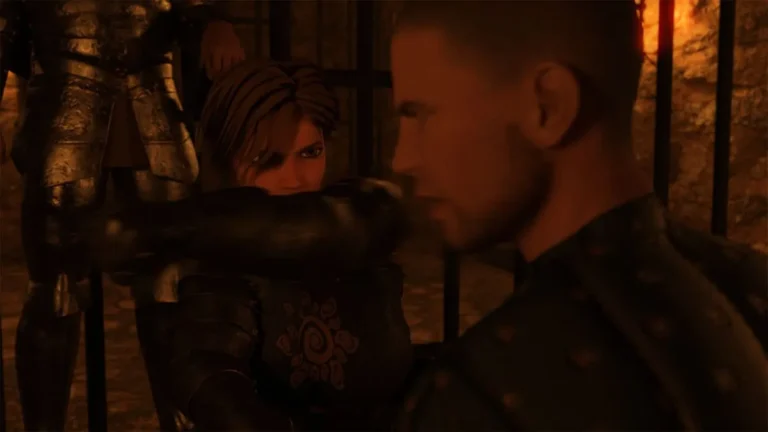
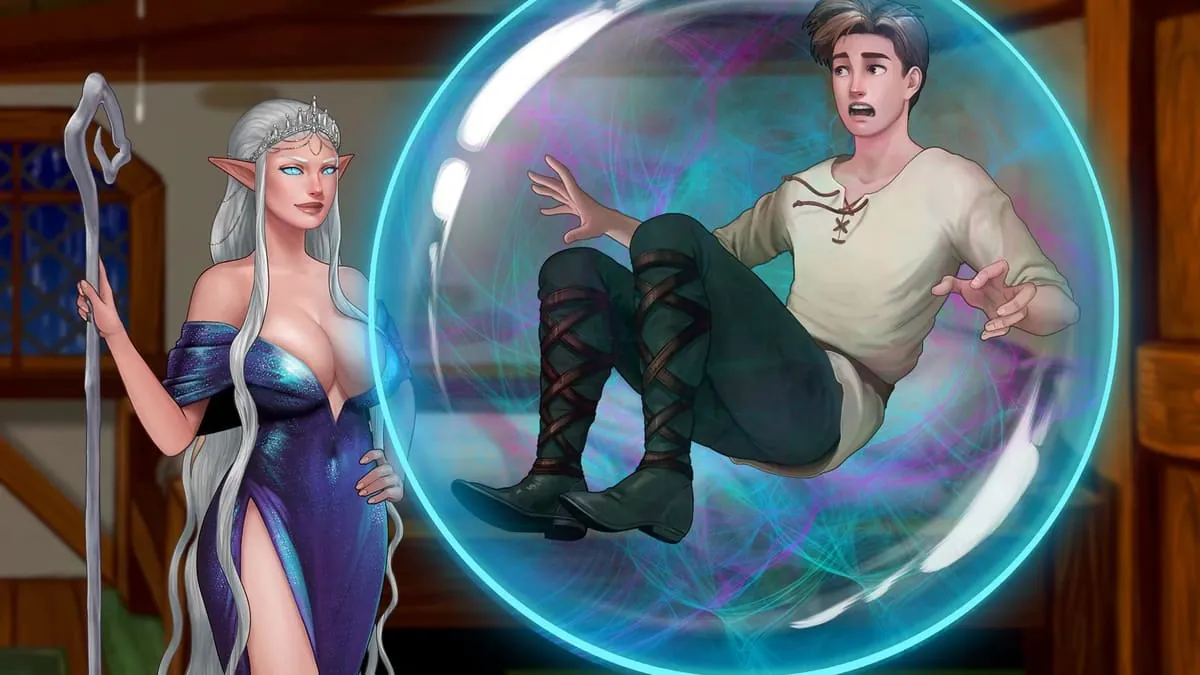
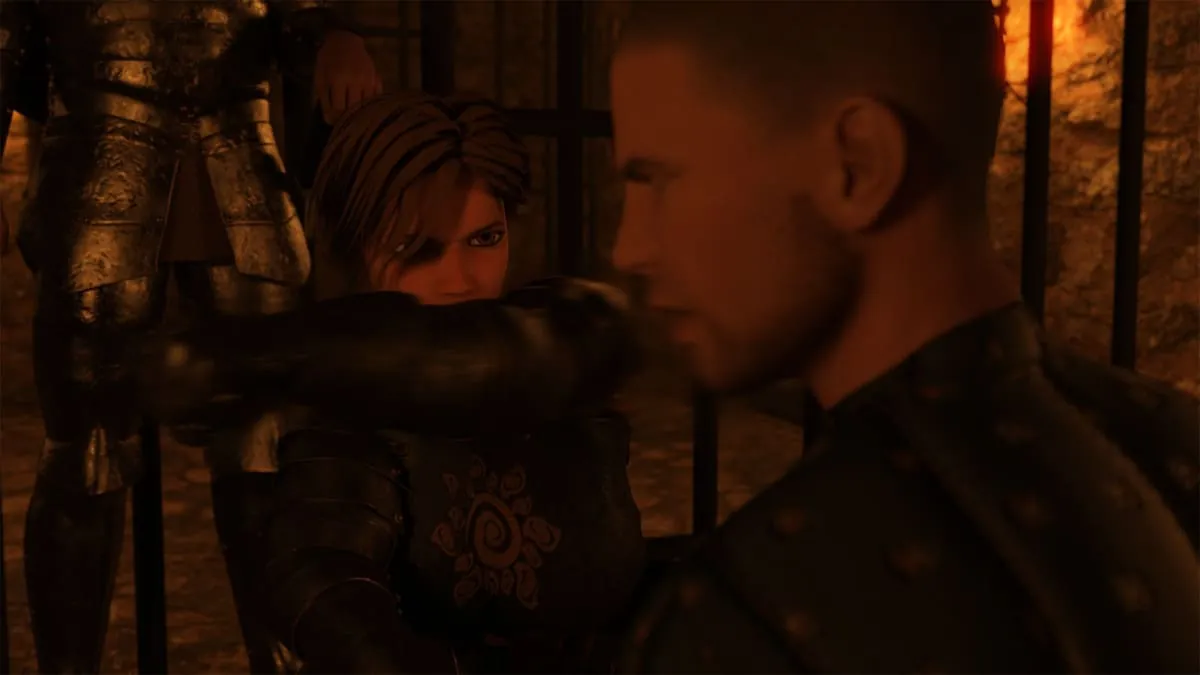
After the Inferno Screenshots
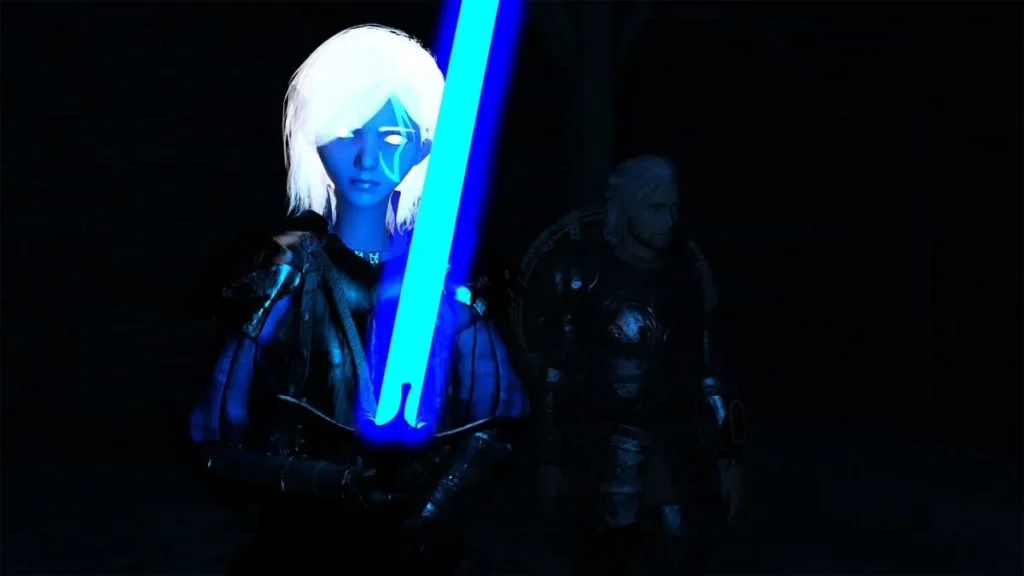
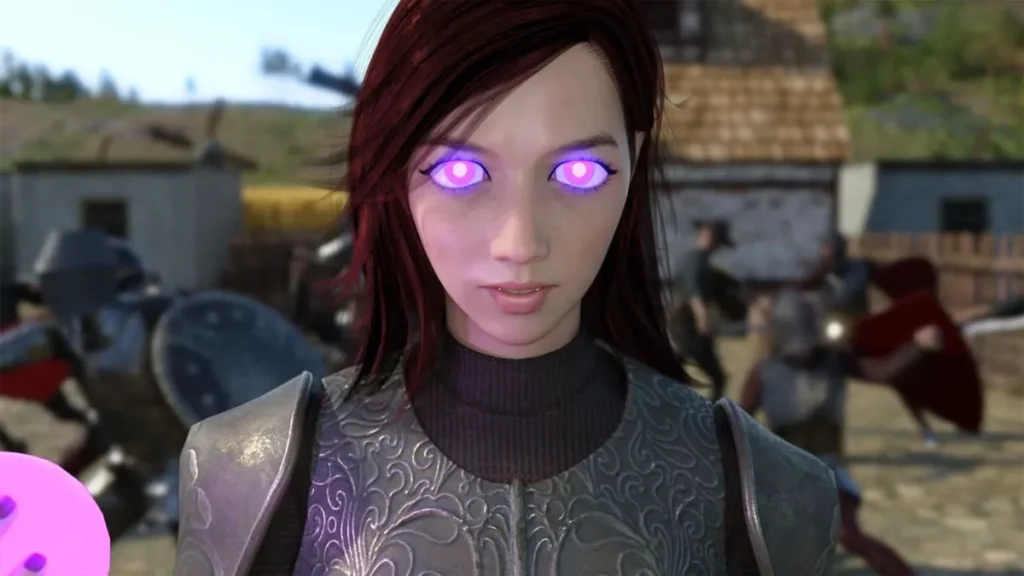
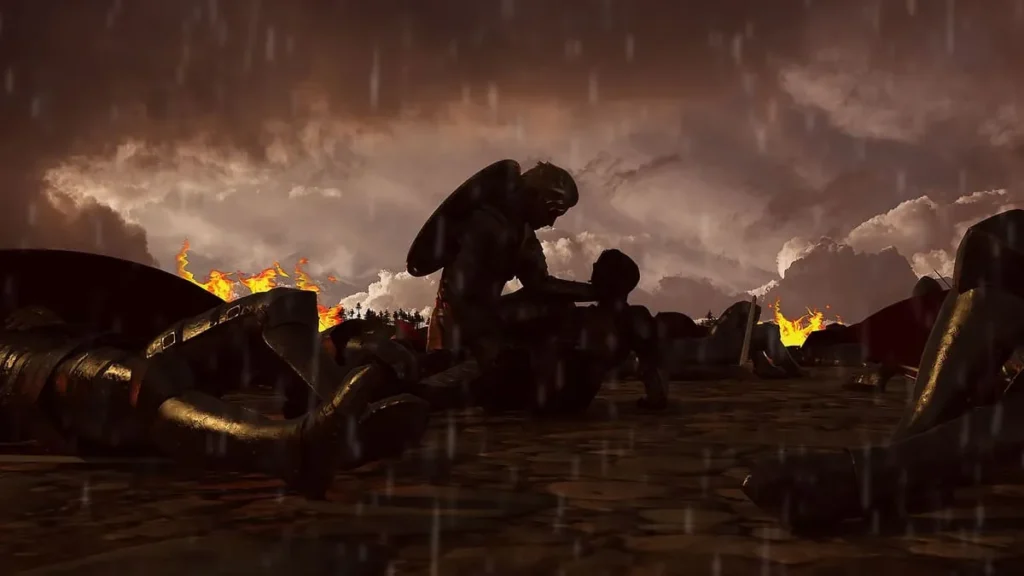

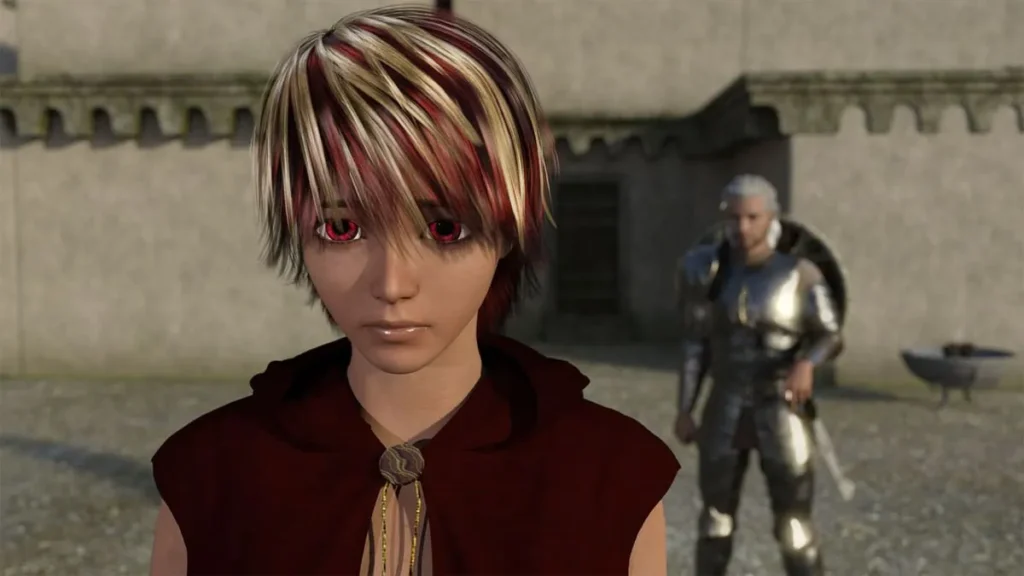
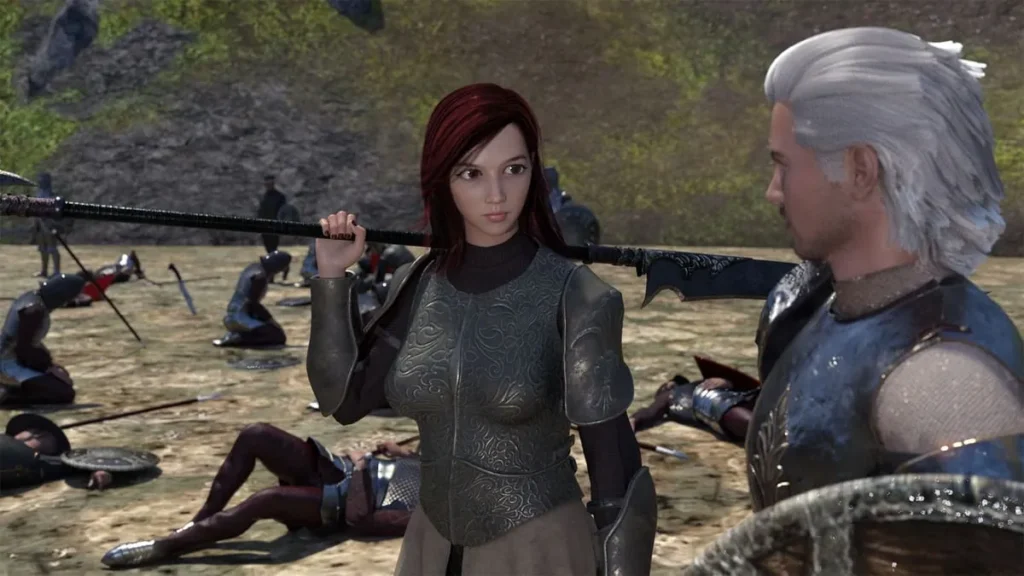
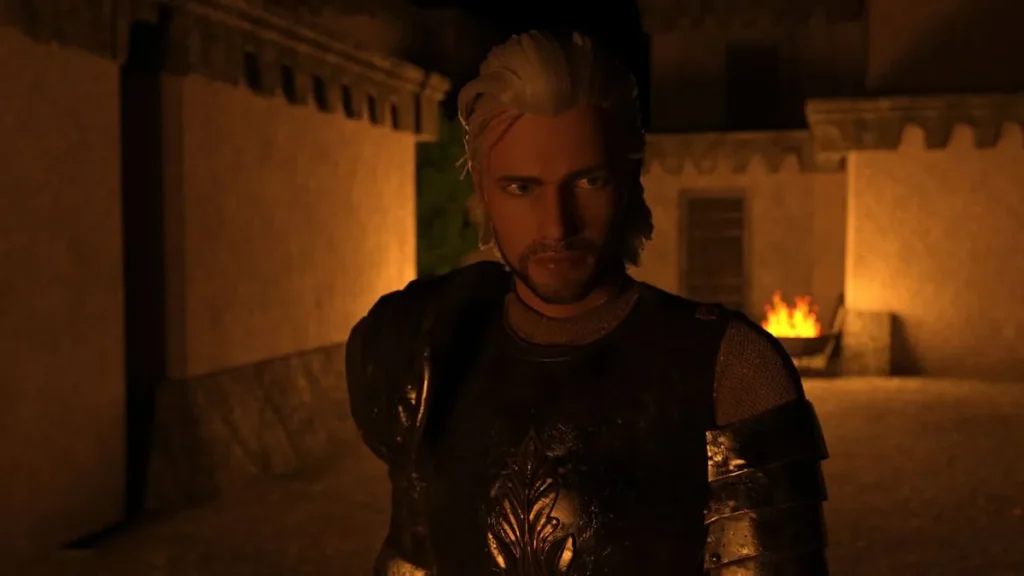

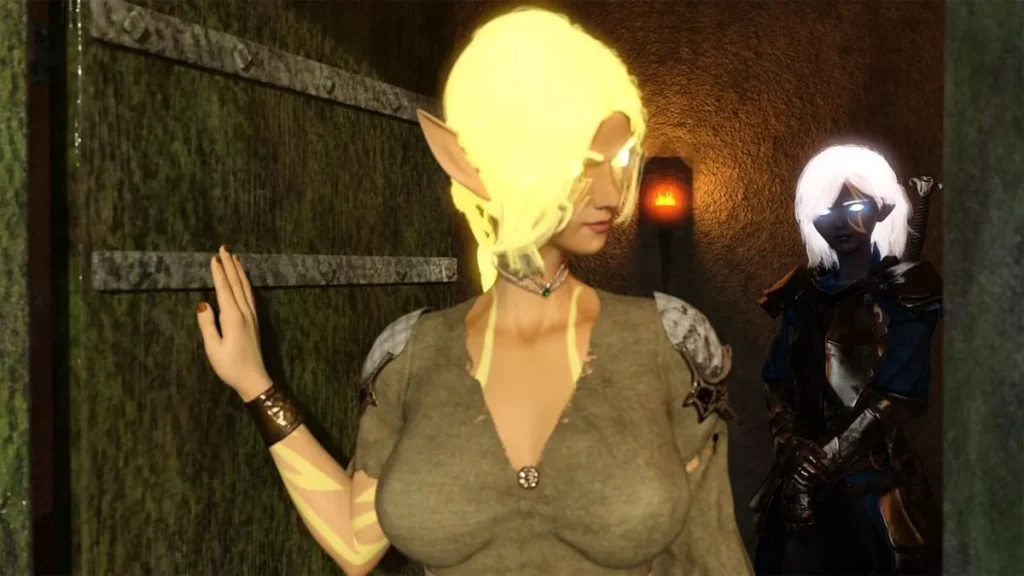
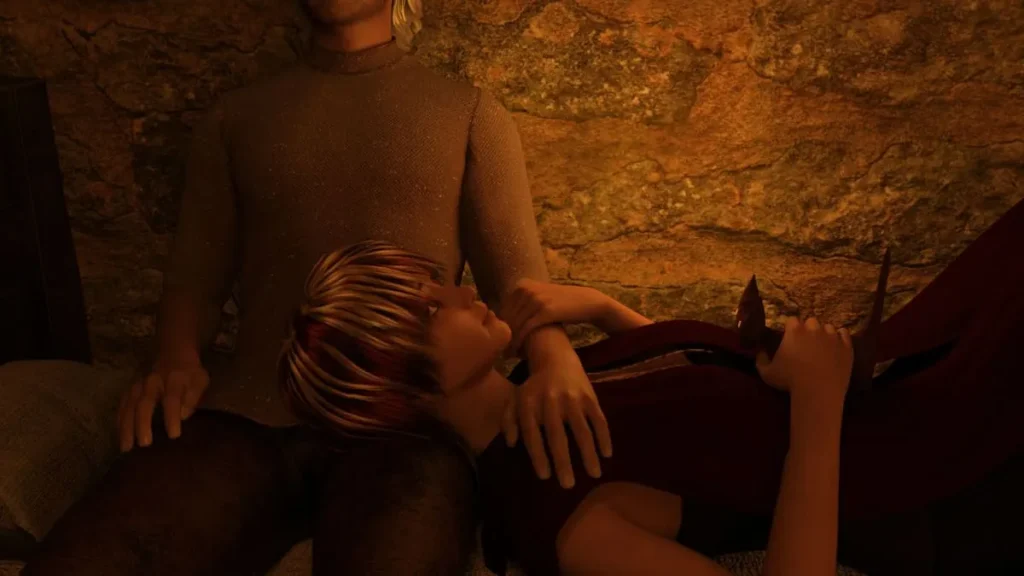
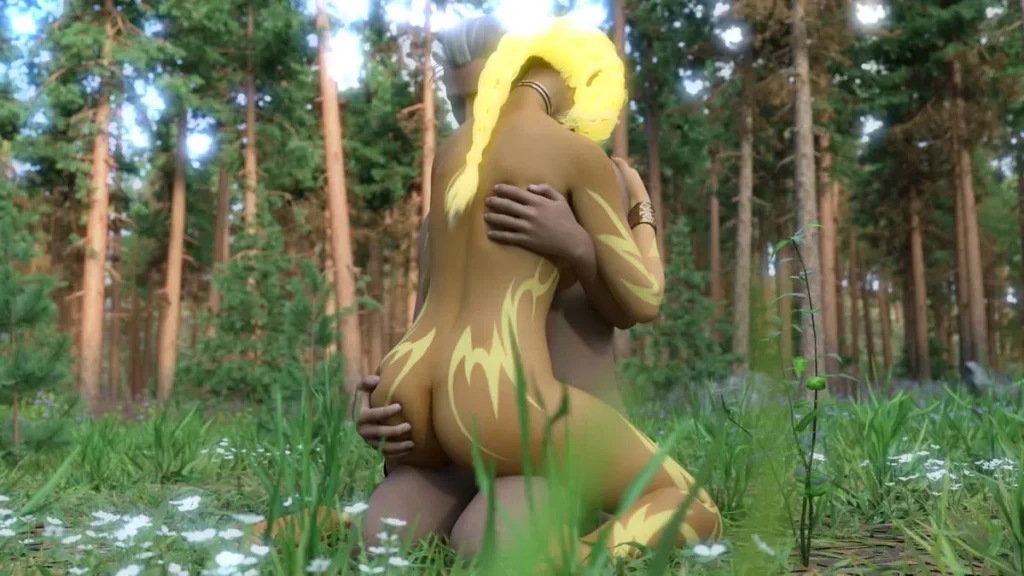
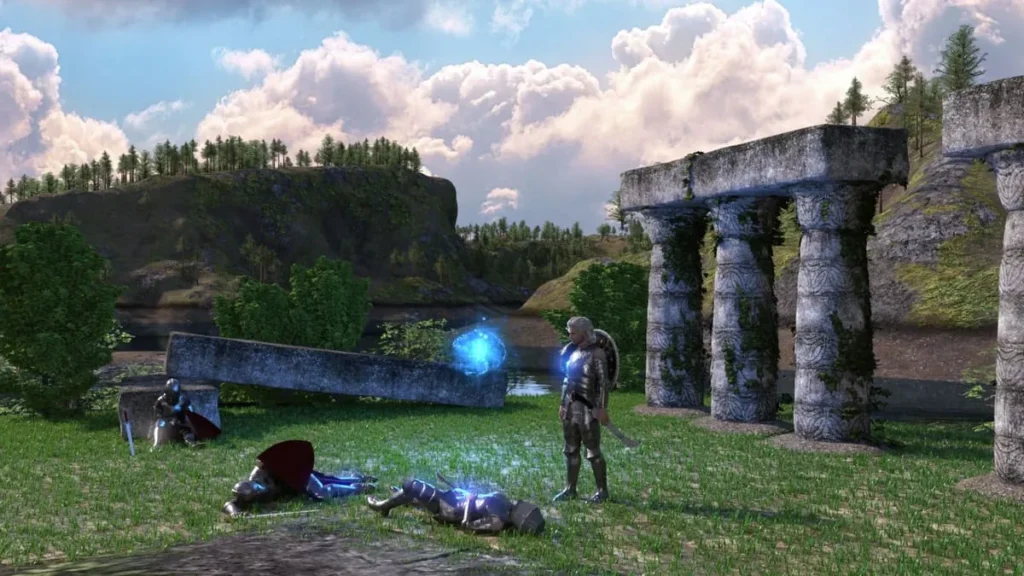
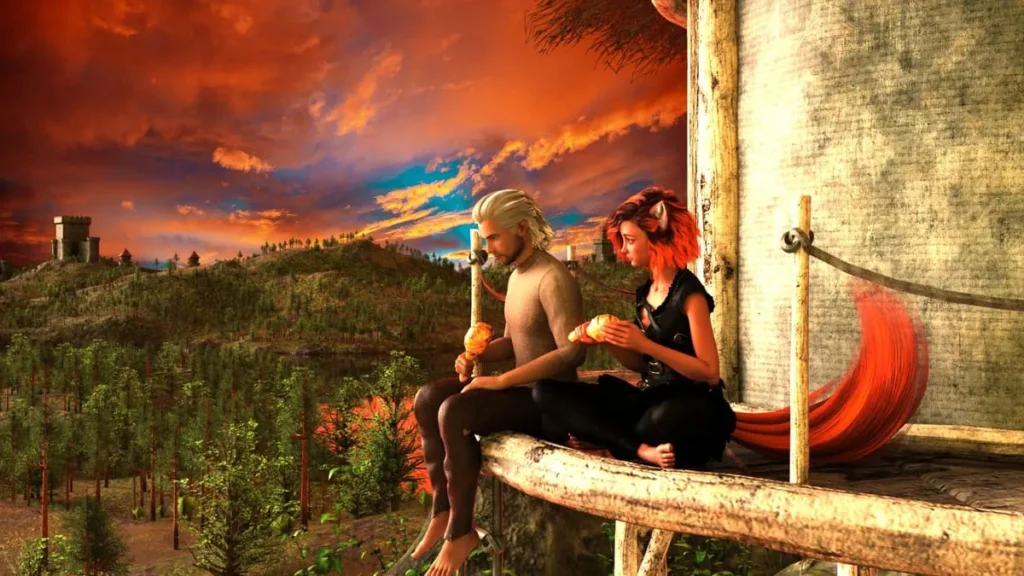
After the Inferno review
Dive into the spicy story, characters, and steamy scenes of this captivating game
Imagine emerging from a blazing trial, only to face a world of temptation, choice, and raw passion in After the Inferno. This visual novel hooked me from the first scene with its gripping tale of Devran, a man navigating complex relationships and moral dilemmas post-crisis. If you’re hunting for a game blending deep storytelling with optional animated encounters, you’ve landed in the right spot. I’ll share my personal journey through its layers, from lore-rich codex to branching paths that kept me replaying for hours. Whether you’re here for the narrative thrill or the visuals, this guide uncovers why After the Inferno stands out in the visual novel scene.
What Makes After the Inferno a Must-Play Visual Novel?
Let me tell you about the moment I truly got hooked. I’d just booted up After the Inferno, expecting a simple tale of survival. Instead, I found myself in the worn boots of Devran, standing in the ashes of a world that had literally burned. The air wasn’t just thick with pixelated smoke; it was thick with tension. A simple dialogue choice about how to deal with a scarce resource felt like holding a live wire. Was I being pragmatic or heartless? A leader or a tyrant? That’s the magic of this visual novel after inferno—it pulls you into its moral gray areas and never lets go. If you’re wondering is After the Inferno worth playing?, my journey through its hauntingly beautiful world is a resounding yes. Let’s dive into why.
How Does the Story Unfold After the Crisis?
The After the Inferno story isn’t about the catastrophe itself; it’s about the haunting, complex “after.” You play as Devran, a man shaped by the inferno, tasked with leading a fledgling community in a shattered world. This isn’t a linear “hero saves the day” plot. It’s a nuanced tapestry of rebuilding, where every relationship is a negotiation and every decision echoes.
What struck me most was the narrative depth. You’ll navigate delicate alliances in bustling trade hubs, uncover fragments of lost history in forbidden archives, and manage the simmering tensions within your own sanctuary. The characters you meet—from resilient survivors to enigmatic figures with their own agendas—are never just archetypes. Their loyalties shift based on your actions, and building trust (or sowing discord) has tangible consequences. One playthrough, I focused on diplomacy and lore, forging strong bonds. The next, I was more ruthless, which unlocked entirely different story branches and character revelations I’d missed completely.
The After the Inferno gameplay loop is deceptively simple yet profoundly engaging: make choices, see the immediate reaction, and live with the long-term results. The game expertly balances intimate character moments with larger-scale political and mystical lore. You’re not just clicking through text; you’re steering the soul of a community and discovering what kind of leader Devran becomes. For a visual novel, the scope of its storytelling is massively impressive. 🏙️🔥
Why Are the Animated Scenes Optional Yet Integral?
Here’s a crucial point that many After the Inferno reviews rightly highlight: the animated romantic scenes are a designed feature, not the sole focus. They are optional, yet integral to a full understanding of the characters. Think of them as the final, most vulnerable layer of a relationship path you’ve carefully built.
The game handles this with brilliant player respect. You can absolutely experience the complete, compelling After the Inferno story without viewing a single one. But if you do choose to explore them, they feel earned—a narrative payoff for the emotional investment you’ve made. They’re not gratuitous; they’re character-driven, revealing new dimensions of vulnerability, passion, or connection that dialogue alone can’t convey. I remember on my first playthrough, pursuing a path with a certain character, the animated scene that unfolded felt like a natural, poignant culmination of all our shared struggles and quiet moments.
And the best part? The game gives you total control. You can save right before a pivotal choice, experience one path, then reload to see another—all without judgment. This design philosophy empowers you to tailor the experience to your comfort level.
To help you decide how to approach your playthrough, here’s a comparison:
| Aspect | Story-Only Mode | Full Immersion Mode |
|---|---|---|
| Pros | Focus purely on plot, lore, and character development. Faster playthrough. Ideal for understanding the core narrative first. | Experience complete character arcs and relationship payoffs. Maximizes emotional impact and content discovery. |
| Cons | May miss nuanced character layers and specific relationship conclusions. | Playthroughs take longer. Requires more active management of save slots for branching paths. |
| Best For | Players primarily interested in the dystopian lore and strategic choices. | Players who want the most comprehensive narrative experience and deep character connections. |
My actionable advice? Start with a story-focused run. Get lost in the world and make choices that feel right to you. Then, for replayability, use multiple save slots to explore different relationship branches and their conclusions. It’s like peeling an onion—each layer reveals more depth. 💖🎮
What Unique Features Like the Codex Enhance Replayability?
This is where After the Inferno truly shines as a premium experience and cements its status as a must-play visual novel. Beyond the main story, the game includes a feature called the Codex, and it’s a lore-lover’s dream come true.
The After the Inferno Codex is an in-game encyclopedia that automatically fills as you discover people, places, religions, and concepts. It’s not just dry text; it’s a curated collection of deep lore that provides context to the world you’re navigating. Why do these two factions hate each other? What’s the real history behind that ruined temple? The Codex has answers, making the world feel incredibly lived-in and real.
But it gets better! The Codex also houses extensive galleries. This includes beautiful concept art, character profiles, and yes, a collection of the animated scenes you’ve unlocked. This transforms the Codex from a simple reference tool into a reward center. I found myself driven to explore every dialogue option and side quest just to see what new entry I could fill in. It directly encourages multiple playthroughs—you’ll want to see how different choices alter relationships and unlock new Codex entries.
My personal anecdote? I had a dedicated “completionist” save file just for this. I’d play a chapter in my main game, then jump to this other save to make deliberately different choices, purely to unlock a specific piece of art or a hidden character bio in the Codex. It added dozens of hours of engaging After the Inferno gameplay that felt purposeful, not grindy.
So, is After the Inferno worth playing? From my time in its world, absolutely. It’s a masterclass in choice-driven narrative. It respects your time and preferences while offering astonishing depth for those who seek it. The After the Inferno visual novel experience is about the weight of leadership, the fragility of human connection after trauma, and the slow, painful, beautiful work of rebuilding—both a society and oneself.
It appeals far beyond its visuals because at its heart, it’s a profoundly human story. You’re not just playing for scenes; you’re playing for the sigh of relief when a plan works, the sting of a betrayal, the warmth of hard-won trust, and the satisfaction of seeing your choices shape a living, breathing world. That’s the real inferno—and the real triumph.
FAQ: Your After the Inferno Questions, Answered
Q: Can I skip the animated scenes in After the Inferno?
A: Absolutely, and without penalty! The game is designed for this. You can make choices that avoid them entirely, or use the skip function. I recommend using save slots before key romantic decisions so you can experience all narrative outcomes.
Q: How long is a typical playthrough of this visual novel?
A: For a single, main story path focusing on one primary relationship, expect 10-15 hours. To fully explore all major branches, lore via the Codex, and different endings, you can easily invest 30+ hours. It’s a substantial experience!
Q: Is the Codex just a bonus, or is it important?
A: It’s crucial for lore enthusiasts! It provides essential background on factions, religions, and history that deepens the main story. Think of it as your in-game guide to understanding the “why” behind the world’s conflicts.
Q: What’s the best way to experience all the content?
A: My top tip: Play your first run blind for maximum emotional impact. Then, use a guide or your own multiple save slots to systematically explore different choice branches. Focus on one character’s path per replay to fully appreciate their unique story.
After the Inferno isn’t just another visual novel—it’s a personal odyssey of choice, passion, and discovery that left me pondering Devran’s decisions long after the credits. From its rich codex and branching paths to those optional animated moments that deepen connections, it delivers depth for story lovers and thrill for others. My replays revealed layers I missed first time, proving its replay value. If you’re ready for a tale that challenges and excites, grab it now, experiment with saves, and uncover your own ending. What’s your take—story purist or full explorer? Dive in and find out.