Demons of the Hearth
Play Demons of the Hearth
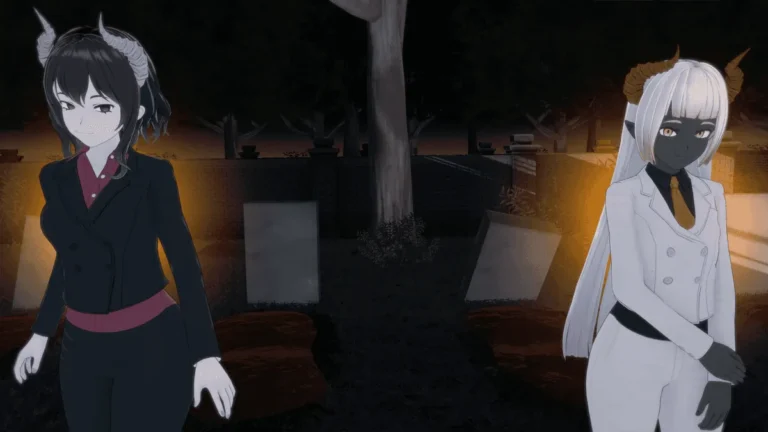
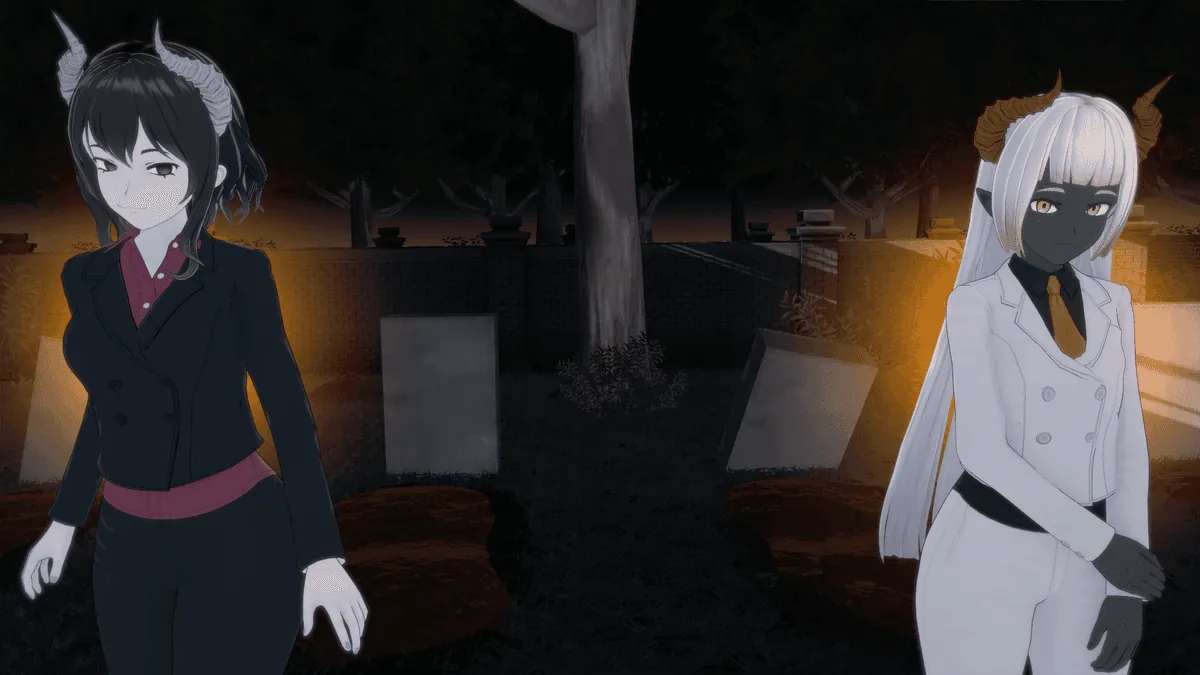
Demons of the Hearth Screenshots
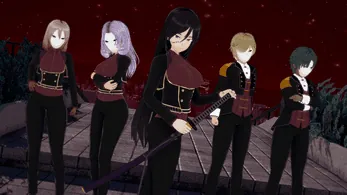


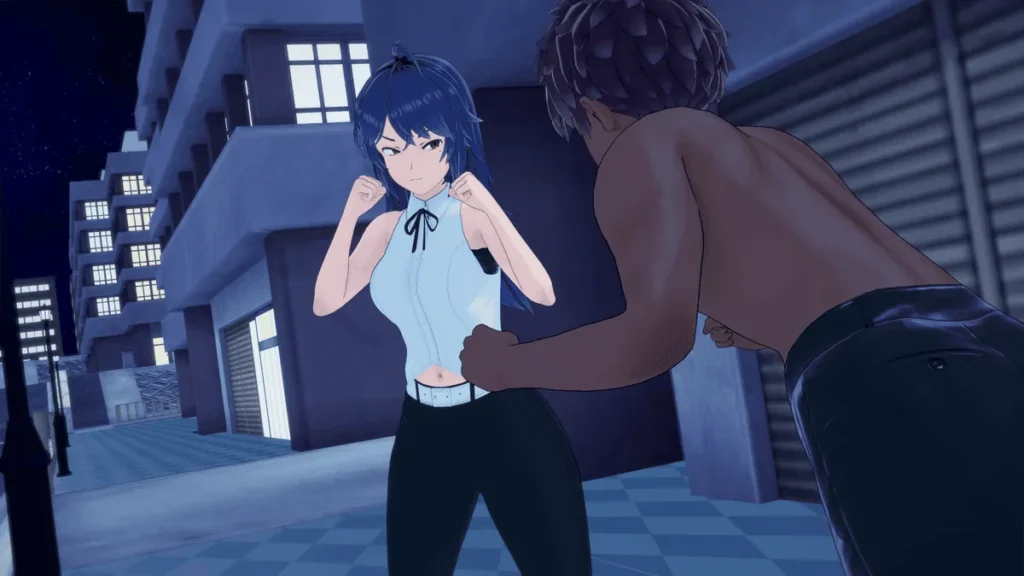
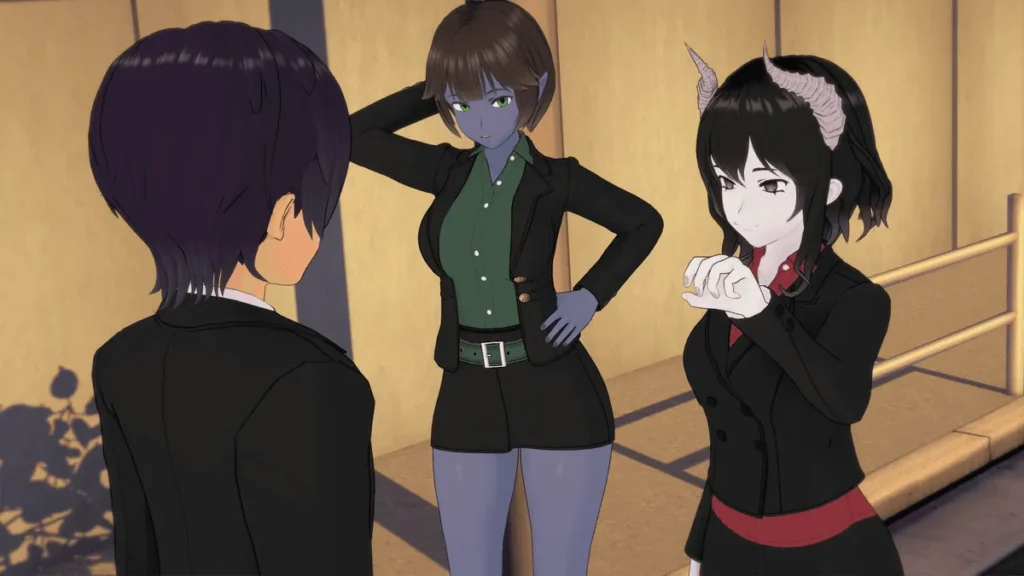
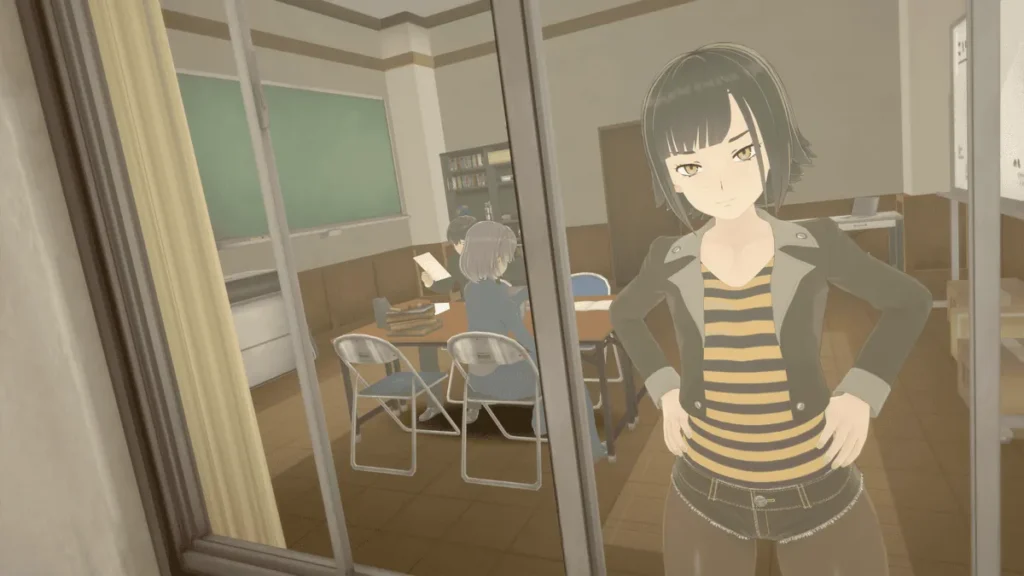



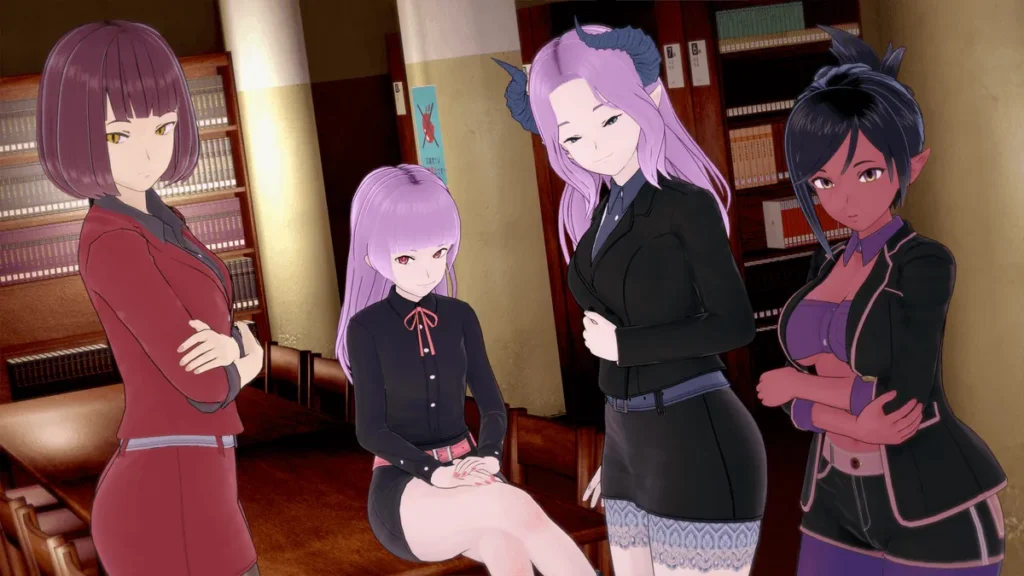
Demons of the Hearth review
Exploring storytelling, character development, and gameplay mechanics in this acclaimed adult visual novel
Demons of the Hearth stands out as a remarkably well-crafted visual novel that has garnered significant praise from players worldwide. This game transcends typical expectations of its genre through exceptional storytelling, deep character writing, and engaging narrative design. Players consistently highlight the game’s ability to create emotional investment and maintain suspense throughout the experience. Whether you’re new to visual novels or a seasoned player, understanding what makes Demons of the Hearth special requires exploring its core mechanics, narrative structure, and the passionate community that surrounds it. This guide provides an in-depth look at everything you need to know about this acclaimed title.
Understanding Demons of the Hearth: Story, Characters, and Gameplay
Imagine moving into what you think is your dream home, only to find it’s a beautiful, gilded cage haunted by the echoes of its past inhabitants. 😨 That’s the masterful hook of Demons of the Hearth. You’re not just playing a story; you’re moving into it, tasked with managing a grand, eerie estate and the lives of the complex women who reside there. What sets this visual novel apart isn’t just its compelling premise, but how every element—from the narrative structure visual novel fans adore to the intricate character relationship system—intertwines to create a living, breathing world where your choices genuinely sculpt the tale.
This chapter is your deep dive into the machinery behind the magic. We’ll explore what makes the story so intensely engaging, how the characters evolve from strangers to soulmates (or rivals), and demystify the Demons of the Hearth gameplay that balances freedom with fate. Whether you’re stuck on progression or just curious about the hype, consider this your definitive story progression guide to understanding one of the most talked-about experiences in choice-based storytelling.
What Makes the Narrative So Compelling? 🎭
At its heart, Demons of the Hearth is a story about restoration—of a place, of people, and of your own purpose. Unlike many visual novels that follow a rigid, linear path, this game employs a sophisticated narrative structure visual novel enthusiasts praise for its elegant balance. It feels like a sandbox of stories, yet it’s meticulously plotted to ensure tension and emotional payoff never waver.
The genius lies in its “world state” system. Think of the estate not just as a setting, but as a character with its own mood and memory. 🏚️ The story doesn’t advance based on a simple day counter. Instead, key events trigger only when specific conditions are met: a character’s trust must reach a certain threshold, a particular room must be renovated, or a hidden piece of lore must be uncovered. This means your journey feels uniquely yours. I remember spending one playthrough focused solely on gardening and kitchen repairs, which unexpectedly unlocked a tender, slow-burn storyline with a character I’d previously ignored. The game was quietly paying attention to my choices, weaving them into the narrative fabric.
This approach masterfully avoids the mundane. You’re never just “clicking through days.” Every action, from a major decision to a simple afternoon chat, feeds into the overarching sense of unraveling the estate’s mystery and healing its wounds. The choice-based storytelling here is less about picking “Good” or “Evil” dialogue options and more about deciding who to spend your limited time and resources on, which secrets to pursue, and what kind of leader—or partner—you want to be. It creates a powerful, self-directed emotional investment. You’re not watching drama unfold; you’re organically creating it through your daily management and personal interactions.
Character Development and Relationship Building 💖
If the estate is the stage, the Demons of the Hearth characters are the unforgettable performers who own it. Each resident comes with a fully realized history, fears, and desires that feel tangibly scarred by the house’s dark past. Reviewers consistently highlight the game’s refusal to rely on archetypes. The aloof bookworm isn’t just shy—she’s guarding a library of painful memories. The cheerful gardener uses her blooms to mask a deep-seated grief.
Getting to know them is where the game’s celebrated character relationship system shines. It’s not governed by a simple “affection points” meter you can max out with gifts. Instead, relationships are built on two foundational pillars: Trust and Understanding.
- Trust is earned through consistency, reliability, and keeping promises. It’s the bedrock. Helping a character with a practical task, showing up when you said you would, or defending their space increases this stat. High Trust opens the door to deeper conversations and access to their personal spaces.
- Understanding is gained through empathy, attentive listening, and making choices that align with their core personality. This is where hidden stats come into play. Each character has traits like “Independence,” “Vulnerability,” or “Ambition” that shift subtly based on your interactions. Pushing a fiercely independent character to rely on you too quickly might lower their Trust, even if they like you! You have to listen and adapt.
The result is breathtakingly organic character arcs. You witness walls come down, trauma being confronted, and new strengths emerging—all because of the foundation you’ve built together. A character might start a route closed-off and sarcastic, but through patient, understanding choices, you can guide them toward becoming a resilient and open partner. Or, you might misstep and reinforce their negative defenses, leading to a more tragic, isolated conclusion. The Demons of the Hearth gameplay makes you feel responsible for these emotional journeys.
To visualize how these paths branch, here’s a breakdown of the core dynamics:
| Character Route | Primary Relationship Type | Key Story Branches & Unlock Conditions |
|---|---|---|
| The Historian (Elara) | Intellectual Partnership / Redemption Arc | **Archive Path:** Unlocked by restoring the library first. Focuses on solving the estate’s lore. **Healing Path:** Requires discovering her hidden family heirlooms. Focuses on personal forgiveness. |
| The Gardener (Maya) | Nurturing Bond / Shared Growth | **Bloom Path:** Achieve max greenhouse restoration. Story of cultivating new life. **Roots Path:** Unlocked by helping her confront a past loss at the old oak tree. A more emotional, cathartic route. |
| The Artisan (Claire) | Creative Collaboration / Passionate Rivalry | **Masterpiece Path:** Successfully commission a joint project for the estate. Builds on mutual respect. **Deconstruction Path:** Triggered by challenging her methods. Leads to a turbulent but transformative relationship. |
| The Warden (Anya) | Protective Alliance / Shared Burden | **Fortress Path:** Focus on estate security upgrades. Strengthens a practical, duty-bound bond. **Sanctuary Path:** Requires high Understanding of her hidden fears. Transforms duty into a safe, emotional haven. |
Core Gameplay Mechanics and Progression Systems ⚙️
So, how do you actually play this narrative? The Demons of the Hearth gameplay brilliantly merges classic visual novel segments with light resource management and a time-sensitive sandbox. Each day, you have a pool of Action Points to spend. Will you use them to repair the east wing, tend to the garden with Maya, research in the library with Elara, or simply explore a strange noise in the cellar? 🕵️♂️
This is the core loop, and it’s designed to feel purposeful, not grindy. Resources are gained meaningfully—by completing story events, character requests, or discovering secrets during exploration. You’re never just clicking a “Gather Wood” button for an hour. Every task is tied to a character’s personal quest or a piece of the main mystery.
Pro Tip: The game’s story progression guide is subtly embedded in the characters themselves. If you’re ever stuck on how to advance the main plot, look to your companions. Completing a character’s pivotal side event is almost always the key to unlocking the next chapter of the central narrative. Their personal growth literally opens doors in the estate.
The transition between interactive visual novel mechanics and narrative sequences is seamless. A management choice (like deciding to repair a character’s bedroom) will directly trigger a lengthy, intimate story scene that develops your relationship. The game expertly uses its intimate scenes not as isolated rewards, but as the emotional climaxes of these carefully constructed arcs—moments of vulnerability, trust, and character-defining connection that feel genuinely earned.
The balance between player freedom and narrative structure is this game’s crowning achievement. It simulates complete freedom—you can ignore the main plot for weeks of in-game time—but it uses its world state system to gently guide you. The estate’s atmosphere might grow heavier, characters may express more urgent concerns, or new, ominous events will begin to trigger, signaling that certain core milestones must be addressed to move forward. It’s a dance, and you lead—but the music has a destined rhythm.
Finally, let’s address some common questions players have about navigating this rich, sometimes complex, experience.
| Question | Answer & Practical Advice |
|---|---|
| I feel stuck! How do I trigger the next main story event? | This is the most common hurdle. First, **check your character timelines**. A major story checkpoint is almost always locked behind completing a key personal event for one or more characters. Review their profiles—if a character’s story seems paused, they likely need higher Trust or a specific location restored. Focus on them for a few days. |
| I’m worried about missing content. Can I see everything in one playthrough? | Absolutely not, and that’s by design! 🎮 The **choice-based storytelling** and branching **character relationship system** ensure every playthrough is unique. Embrace this. Save-scumming to see every dialogue option will ruin the tension. Instead, commit to your choices and plan a second playthrough with a completely different focus—you’ll be amazed by how much new story and character depth you discover. |
| How important is estate management vs. socializing? | They are two sides of the same coin. Restoring parts of the estate (like a character’s favorite room or a social space) often provides permanent boosts to relationship growth or unlocks new interaction options. A balanced approach is best. Think of renovation as a long-term investment in your relationships and the story itself. |
| Are there “fail states” or ways to permanently ruin a relationship? | While it’s very hard to completely “fail” the game, you can certainly lock yourself out of a character’s deeper, more positive arcs by consistently making choices that undermine their core traits. Relationships can become strained, distant, or even antagonistic. These are valid narrative paths, not failures, and can lead to some of the game’s most powerful and tragic storytelling. |
Understanding the Demons of the Hearth gameplay and its intricate systems transforms the experience from a passive story into an active, immersive journey of creation and consequence. It’s a game that trusts you to find your own path through its haunted halls, offering a masterclass in how visual novel mechanics can build profound emotional connections. By engaging deeply with its character relationship system and following its subtle story progression guide, you don’t just witness the tale of the Hearth—you become the defining force in its history, for better or for worse.
Demons of the Hearth represents a standout achievement in visual novel design, combining compelling storytelling with meaningful character interactions and thoughtful gameplay mechanics. The game’s success stems from its commitment to quality narrative, diverse character writing, and the developer’s dedication to player feedback and continuous improvement. Players consistently praise the emotional depth and narrative tension that keep them engaged throughout their playthrough. Whether you’re drawn to the intricate plot, the character relationships, or the overall craftsmanship, Demons of the Hearth offers a substantial and rewarding experience. If you’re considering diving into this visual novel, approach it with an open mind and take time to explore character side events—they’re essential to unlocking the full story experience. The passionate community surrounding this game continues to grow, making it an excellent time to join and discover why so many players consider it a masterpiece of the genre.