Desert Stalker
Play Desert Stalker
Desert Stalker Screenshots


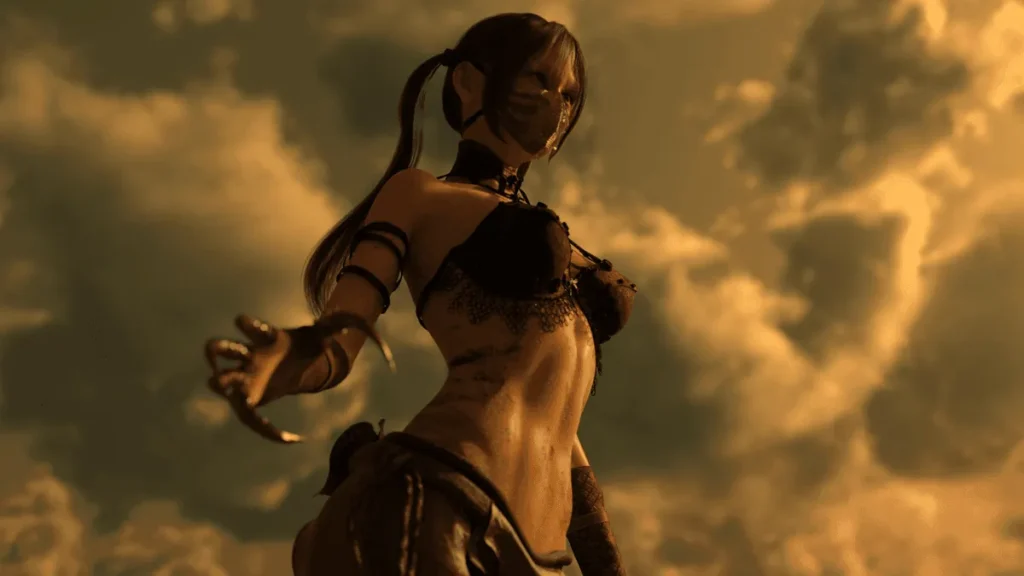
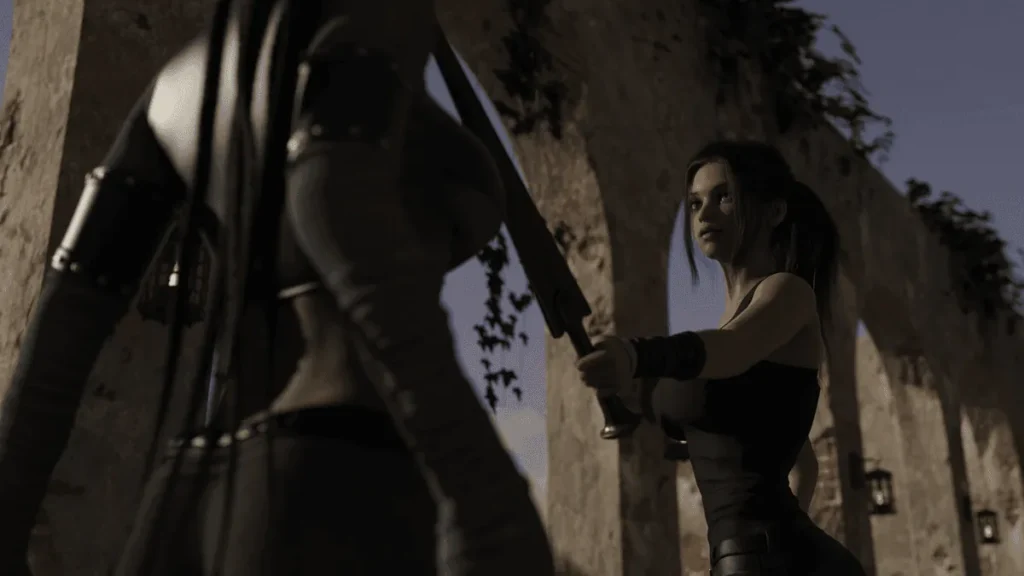


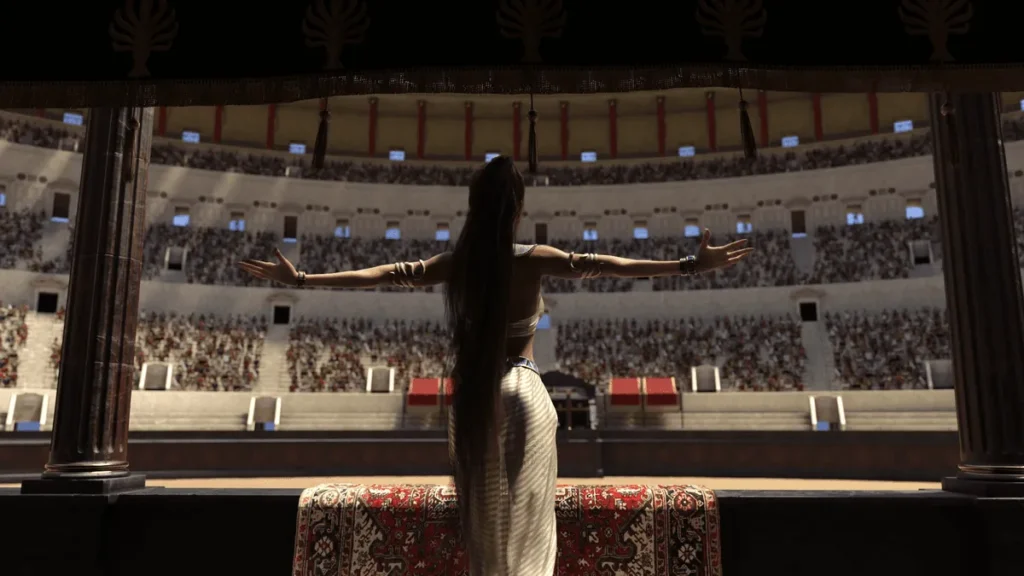
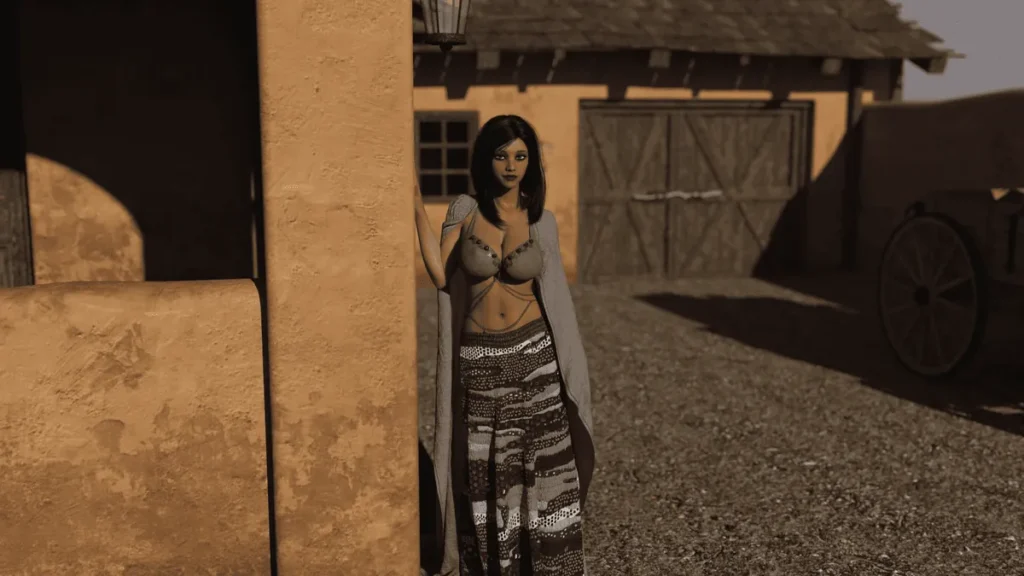

Desert Stalker review
Explore the post-apocalyptic narrative, gameplay mechanics, and character relationships in this acclaimed adult visual novel
Desert Stalker stands out as a richly developed adult visual novel set in a post-apocalyptic Egyptian wasteland. Players take on the role of a seasoned antiquity scavenger whose discovery of a powerful artifact sets off a chain of transformative events. The game combines cinematic storytelling with player agency, allowing you to shape your character’s moral compass and relationships through meaningful decisions. Whether you’re drawn to the intricate narrative, character development, or the freedom to explore multiple playstyles, Desert Stalker offers a comprehensive experience that goes beyond surface-level content. This guide explores what makes this visual novel compelling and how to navigate its expansive world.
Understanding Desert Stalker’s Core Gameplay and Story
Let’s be honest: you’ve probably played a visual novel or two where you just click through endless dialogue, your choices amounting to little more than a slightly different line of text later on. 😴 It can feel like you’re just a spectator on a pre-determined ride. If you’re fed up with that, then buckle up, because Desert Stalker is here to flip the script entirely. This isn’t just another pretty slideshow; it’s a living, breathing, and often brutal world that reacts to your every move. What truly sets this post-apocalyptic story game apart is its masterful fusion of deep, branching narrative visual novel roots with the freedom of free-roam sandbox gameplay. You’re not just reading a story—you’re living it, shaping it, and dealing with the often harsh consequences.
This chapter is your deep dive into the gears and pistons that make this machine run. We’ll explore how its unique Desert Stalker gameplay mechanics create an experience that is both intensely personal and wildly unpredictable. Get ready to understand the setting that swallows you whole, the choices that truly matter, and the relationships you’ll forge or break in the sun-scorched dunes. 🌵
What Makes Desert Stalker Different From Other Visual Novels
So, what’s the big deal? On the surface, Desert Stalker has all the hallmarks of a premium adult visual novel: stunning renders, a compelling premise, and a cast of intriguing characters. But boot it up, and within an hour, you’ll feel the difference in your bones. It’s the difference between watching a movie and being dropped into a simulation.
The secret sauce is its fearless hybrid design. Most titles in the genre are strictly linear or offer only illusionary choice. Desert Stalker boldly introduces a free-roam sandbox gameplay layer. Think of the central hub, your oasis home, not just as a menu screen, but as a place to physically explore. You walk your character from location to location. You decide to check in on a companion, head out to the market to trade scavenged goods, or embark on a story mission from your map. This simple act of movement and agency fundamentally changes your connection to the world. You’re operating on your time, pursuing side quests and personal goals at your own pace, which makes the world feel persistent and real.
This is all powered by a custom-built engine on Ren’Py. Forget the clunky, template-based feel of some games. Here, the interface is polished, the transitions are smooth, and the integration of sandbox exploration with traditional visual novel segments is seamless. The Desert Stalker gameplay mechanics are designed for immersion first. One moment you’re in a tense, cinematic story sequence with beautifully crafted renders and voice acting, and the next, you’re in control, wandering the ruins or managing your resources. This balance prevents fatigue and keeps you constantly engaged.
But the real heart of its uniqueness is consequence. This is a visual novel with choices that have weight. We’re not talking “choose a dialog flavor.” We’re talking about decisions that lock you out of entire story branches, radically alter how key characters perceive you, and change the physical landscape of the game world itself. The character relationship system is deeply tied to this. An act of mercy or cruelty isn’t forgotten; it’s logged, remembered, and will come back to help or haunt you hours later.
| Feature | Traditional Visual Novel | Desert Stalker |
|---|---|---|
| Player Agency | Mostly linear path, limited branching. | High agency with free-roam sandbox exploration and major story branches. |
| Decision Impact | Often cosmetic, affects minor dialogue or a single scene. | World-altering consequences. Choices affect plot, character alliances, and available content long-term. |
| Gameplay Structure | Static: Read, choose, repeat. Menu-based navigation. | Dynamic hybrid: Cinematic story scenes + explorable world hubs + resource/time management. |
| Character Relationships | Typically linear progression or simple “affection points.” | Complex, memory-based character relationship system. NPCs react to your reputation and past actions. |
| Customization & Playstyle | Fixed protagonist personality. | Shape your Stalker from ruthless opportunist to reluctant protector. Tools & upgrades affect gameplay options. |
I remember on my first playthrough, I made what I thought was a pragmatic, minor choice early on—keeping a scarce resource for myself instead of sharing it. 🤔 Weeks later in the game’s timeline, that same character I slighted was in a position of power and denied me a crucial piece of information, leading to a much harder path. The game doesn’t announce these consequences with fanfare; it just lives with them, and that’s what makes it brilliant.
The Post-Apocalyptic Setting and Narrative Framework
Forget the generic, grey wastelands you might be used to. Desert Stalker carves its niche in a uniquely captivating post-apocalyptic story game setting: a fallen, retro-futuristic Egypt. 🏜️ This isn’t just a aesthetic skin; it’s the soul of the narrative. The game leverages the iconography of ancient pyramids, sprawling deserts, and the myth of the Stalkers—elite explorers and protectors—to build a world that feels both familiar and utterly alien.
The atmosphere is palpable. You feel the scorching heat of the sun, the gritty sand in the machinery, and the eerie silence of ruins that whisper of a lost civilization. This setting does heavy lifting for the narrative. Scarcity isn’t just a theme; it’s a gameplay mechanic. The struggle for water, functional technology, and safe shelter drives every quest and personal interaction. The world itself is a character, hostile and magnificent in equal measure, and your goal is to carve out a place within it, or perhaps even dominate it.
This framework allows for a fascinating narrative tension. You play as the Stalker, a figure of immense potential and latent power. The story masterfully explores the concept of an anti-hero. Are you a force for order and protection in the chaos, using your skills to save people and stabilize the region? Or are you a predator, using the lawless environment to dominate, control, and take what you want? The game doesn’t judge; it provides the canvas. Your actions in the branching narrative visual novel determine who you become.
The supporting cast is deeply woven into this world. Characters aren’t just romantic interests or quest dispensers; they are products of the apocalypse, each with survival strategies, traumas, and agendas that feel authentic to the setting. Your relationships with them—whether built on trust, fear, mutual benefit, or desire—are a direct reflection of how you choose to navigate this broken world. Building a bond with someone isn’t just about saying the right things; it’s about proving your nature through consistent actions in the story and side quests.
Pro Tip: Pay close attention to environmental details and lore notes you find. The history of the “Fall” and the old world isn’t just backstory—it often contains clues to solving present-day puzzles and understanding the true motives of the factions you’ll encounter.
How Player Choices Shape Your Desert Stalker Experience
This is where Desert Stalker truly earns its acclaim. The phrase “your choices matter” is thrown around a lot in gaming, but here it’s a fundamental design principle. Every significant decision is a pebble dropped into a pond, and the ripples can change the entire landscape of your playthrough. We’re talking about Desert Stalker story choices with real teeth.
The branching narrative visual novel structure is incredibly complex. We’re not looking at a simple “good path/bad path” dichotomy. It’s a web of interconnected possibilities. A major choice in Chapter 2 might:
* Open up a new ally and their associated story quests in Chapter 4.
* Permanently close off access to a specific area or faction.
* Alter the dialogue, attitude, and even availability of key characters for the rest of the game.
* Change the outcome of a future crisis, leading to the survival or loss of entire communities.
The character relationship system is the most personal expression of this. Relationships are not managed by a simple points meter. Instead, characters have a memory of your interactions. Are you consistently kind and supportive to a certain character? They will grow to trust you, offering unique opportunities and opening up vulnerable storylines. Are you demanding, cruel, or exploitative? They will fear you, obey you out of self-preservation, or become outright hostile. Some may even plot against you. This system allows for nuanced relationships that can be purely transactional, genuinely loving, or toxically dependent—all based on your choices.
Let me give you a case study from my second playthrough. I decided to roleplay as a purely self-interested Stalker. When presented with a moral dilemma involving a vulnerable character, I chose the option that gave me the most immediate material reward, even though it meant betraying a minor faction’s trust. 😈 This single Desert Stalker story choice had a cascade effect:
1. The betrayed faction became permanently hostile, cutting off their quest line and a useful vendor.
2. A companion who valued loyalty deeply confronted me; our relationship turned frosty and professional, losing access to her personal story.
3. However, the resource I gained allowed me to upgrade my gear much earlier, making combat sections easier.
4. Rumor of my “ruthless efficiency” spread, leading a different, more mercenary character to seek me out with a lucrative, morally dubious job I wouldn’t have gotten otherwise.
This is the magic. The game accommodates different playstyles not by giving everyone the same outcome with a different label, but by providing genuinely different content. The gritty dystopian adventure of a lone wolf feels completely distinct from the relationship-focused gameplay of a community builder.
The final piece is shaping your protagonist. Through your Desert Stalker gameplay mechanics choices—both in dialogue and in action—you define the Stalker’s personality. The game’s writing is flexible enough to reflect this. Your internal monologue and spoken lines will subtly align with the pattern you’ve established. Are you becoming more cynical? The narration will reflect that. More protective? Your character will start to voice those concerns. This organic character growth, driven entirely by player agency, is the hallmark of a truly great visual novel with choices.
In essence, Desert Stalker trusts you with its world. It gives you the tools, sets the stage, and then has the courage to let you build—or burn—your own unique story within it. Your save file becomes a personal record of who you chose to be in the desert, and that is its most compelling feature of all. ✨
Desert Stalker represents a sophisticated approach to visual novel design, combining compelling narrative depth with meaningful player agency. The game’s post-apocalyptic setting, richly developed characters, and branching storylines create an experience that transcends typical genre expectations. Whether you’re drawn to the intricate decision-making system, the emotional character arcs, or the freedom to explore multiple playstyles, Desert Stalker delivers a polished, immersive experience backed by passionate development. The community’s enthusiastic reception reflects the game’s quality across storytelling, graphics, and gameplay mechanics. If you’re considering diving into Desert Stalker, expect a narrative-driven adventure that respects player choice and delivers substantial content worth exploring across multiple playthroughs.