Star Periphery
Play Star Periphery
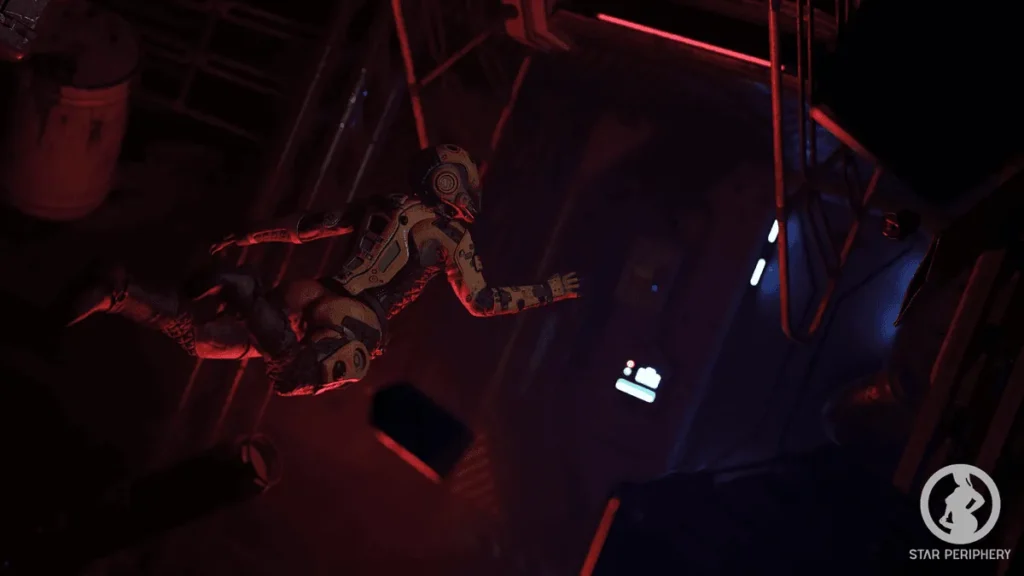
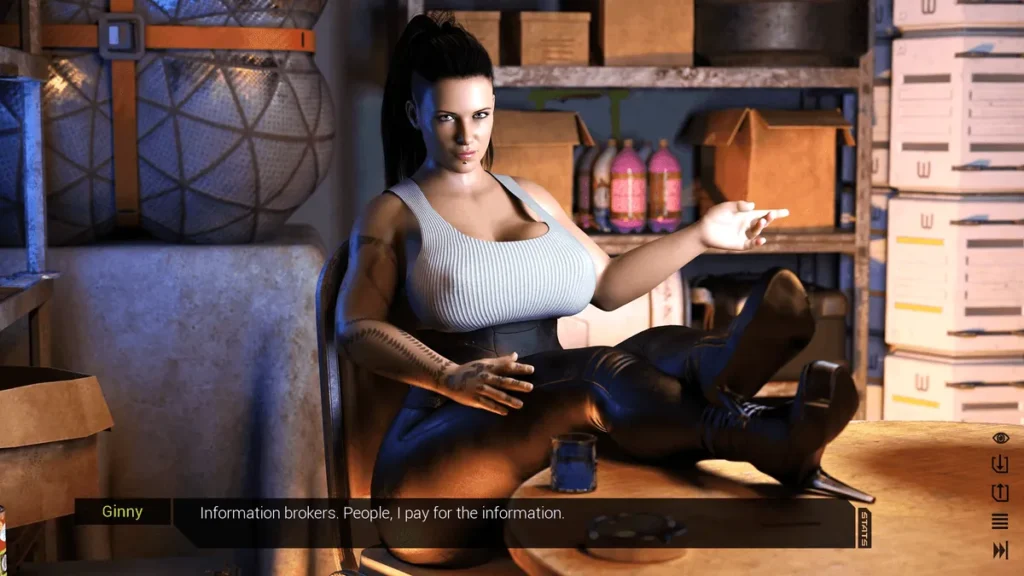
Star Periphery Screenshots


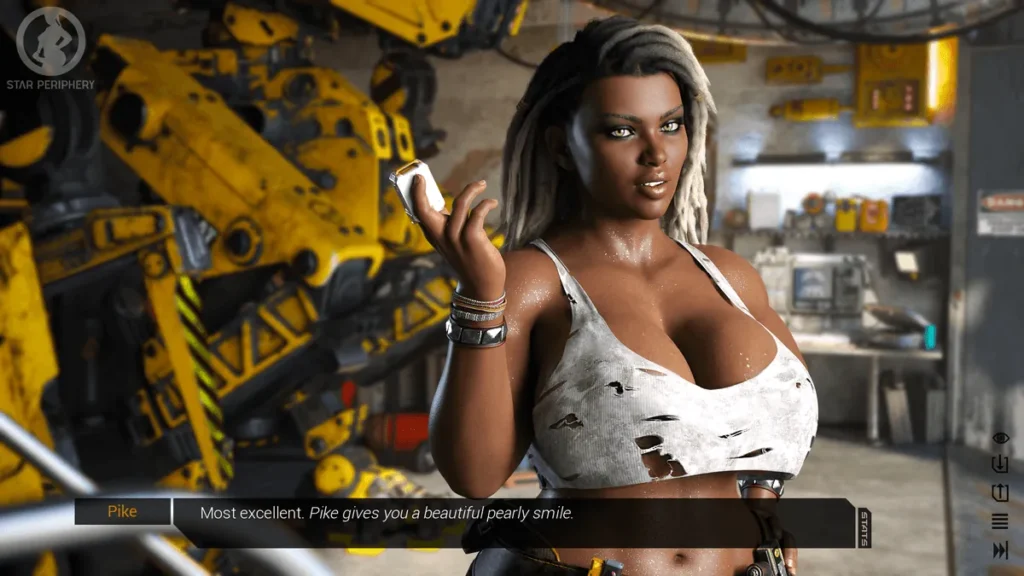



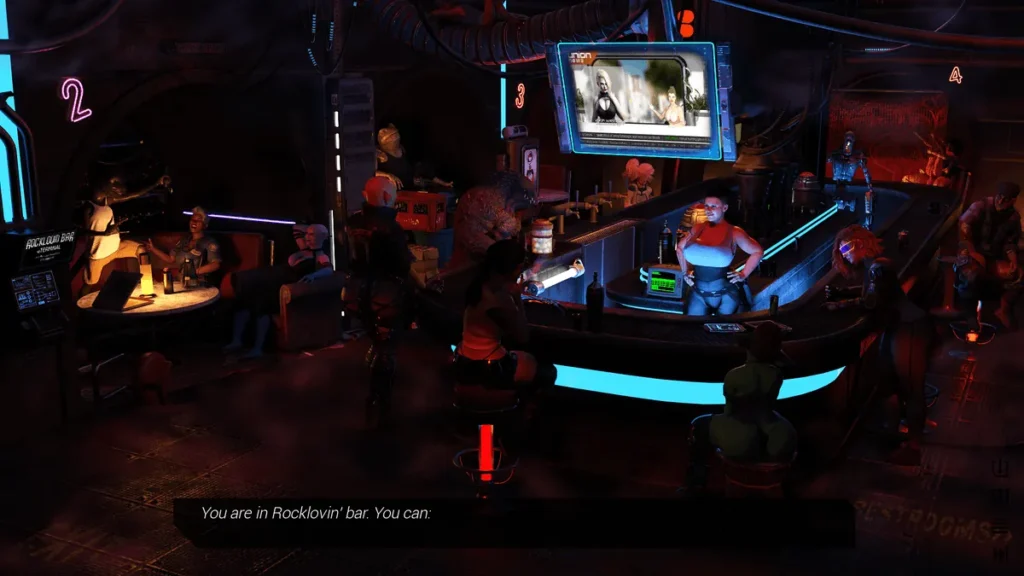
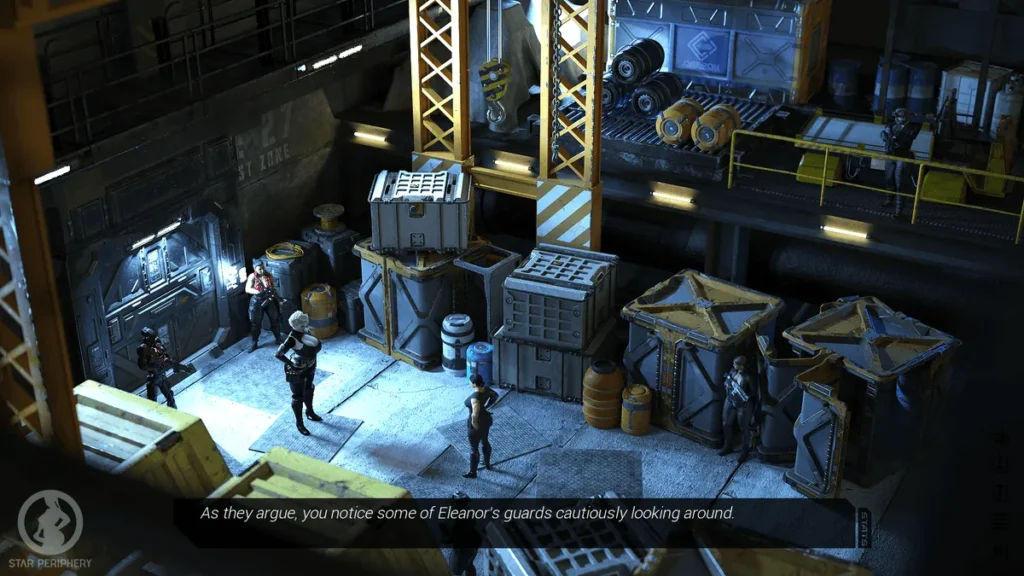
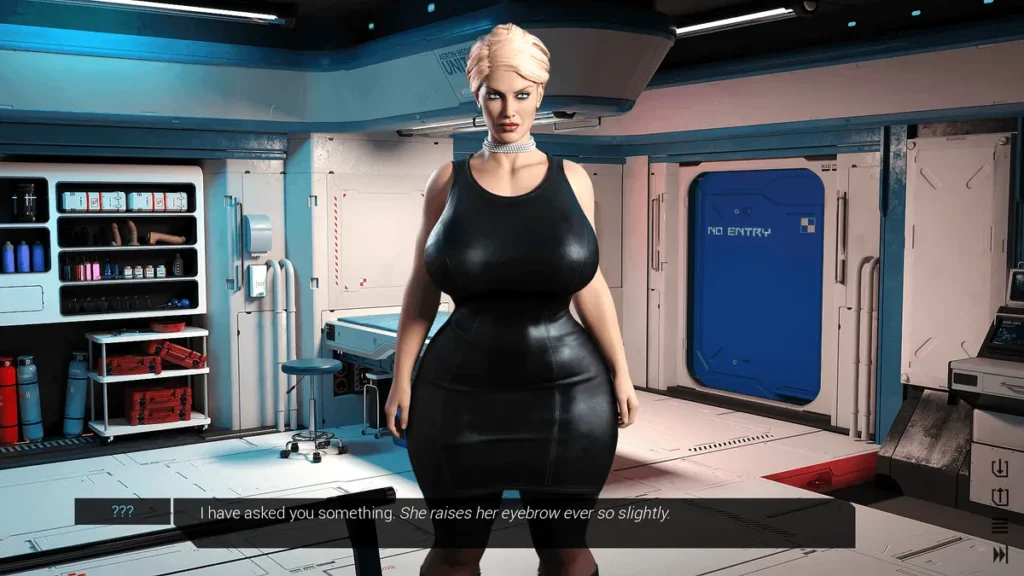

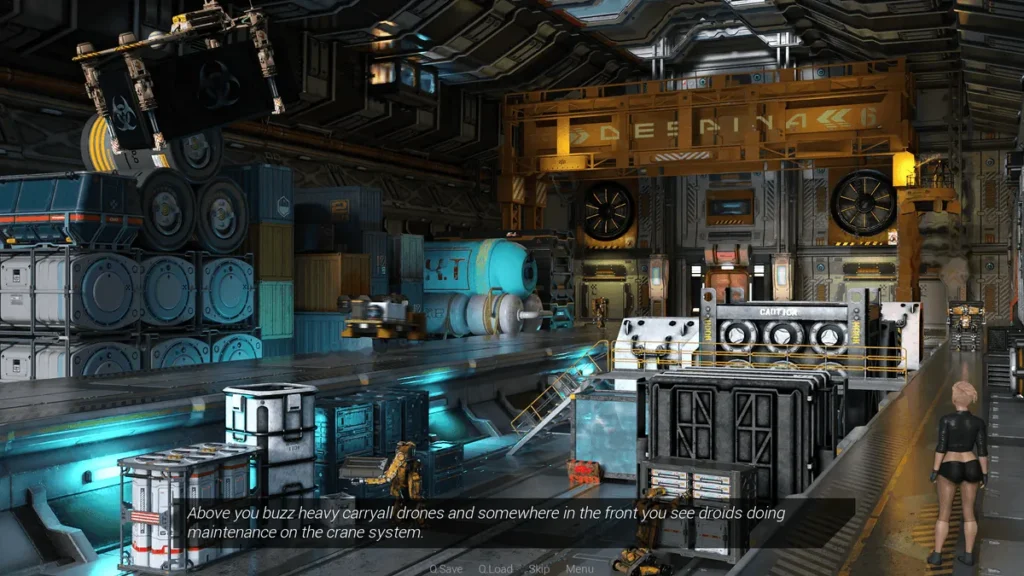
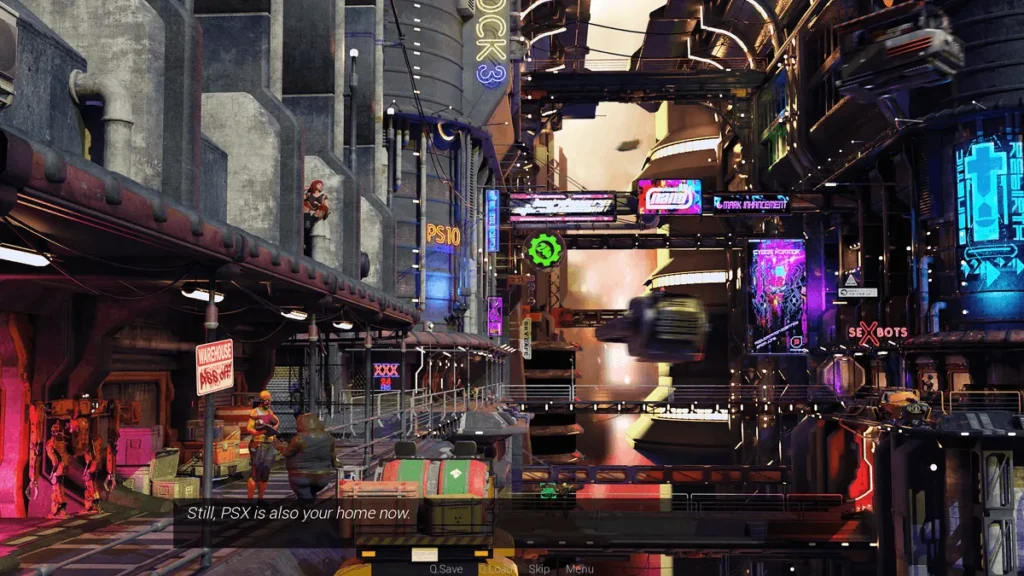
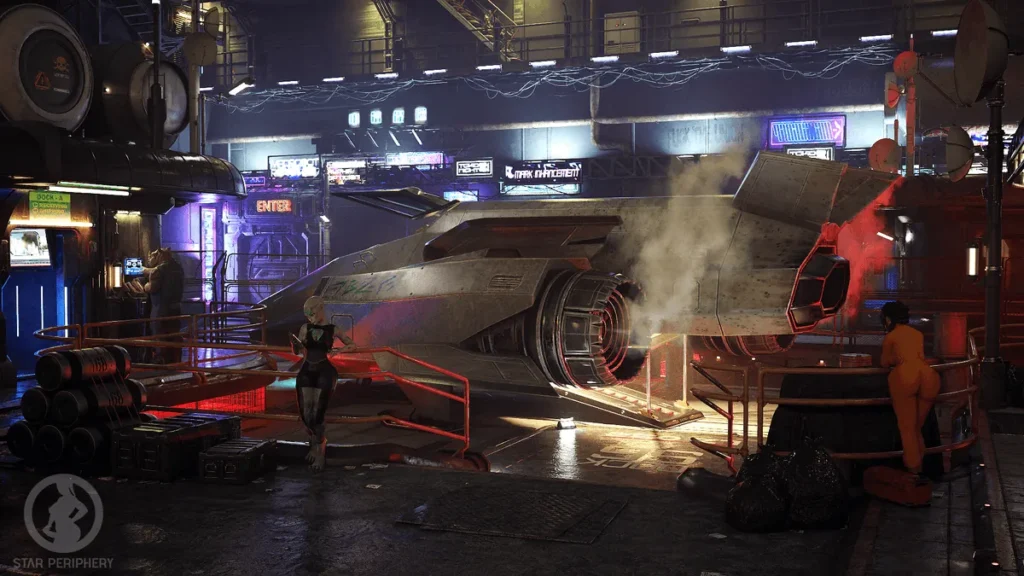
Star Periphery review
Master Command, Strategy, and Thrilling Encounters in This Mature Sci-Fi Gem
Ever dreamed of commanding a starship empire where strategy meets steamy interstellar adventures? Star Periphery hooked me from the first launch—it’s not your average space game. This adult space strategy title blends deep command layers with mature themes that redefine immersive gaming. I remember my first playthrough: managing fleets while navigating unexpected crew dynamics had me glued for hours. Whether you’re a strategy vet or new to adult gaming, Star Periphery delivers multi-layered systems that keep you coming back. Dive in to explore its core mechanics, tips for domination, and why it’s a must-play.
What Makes Star Periphery the Top Adult Space Strategy Game?
I still remember the first time my flagship, the Iron Resolve, drifted into the Ghost Nebula. Scanners were blind, fuel was low, and my Chief Engineer was in my ear, not about reactor cores, but about a personal grievance with the XO that was affecting morale. This wasn’t just another cold, sterile space sim. This was Star Periphery, a game that grabbed me by the tactical cortex and refused to let go. It answered a question I didn’t know I had: what if building a space empire was as much about managing the volatile people within it as it was about managing the fleets and resources outside? 🚀
That’s the heart of what is Star Periphery. It’s a mature space gaming experience that seamlessly weaves deep, strategic empire management with a living, breathing world of adult interactions and consequences. This isn’t about superficial additions; it’s about a core philosophy where every command decision is layered with personal, political, and sometimes intimately human factors.
How Does Star Periphery Blend Strategy and Mature Themes?
Many games tack on “mature” content as a side note. Star Periphery integrates it into the very fabric of your command strategy. Think of it this way: in a standard 4X game, your science officer is a icon that provides a +10% research bonus. In Star Periphery, your science officer is Dr. Aris Thorne, a brilliant but arrogant xenologist who works faster when flattered but might start a feud with your security chief if their ego isn’t managed.
The adult space strategy here means the relationships, conflicts, alliances, and dramas of your crew are a resource to be managed as critically as your titanium or hydrogen. A happy, loyal crew performs better in crisis. A divided, resentful one might miss a crucial scan or even sabotage your ship during a battle. You might need to settle a romantic dispute between two officers to keep a department running smoothly, or use your charm to extract vital information from a rival captain in a tense diplomatic standoff. The themes are woven into exploration, diplomacy, and crisis events, making the universe feel dangerously alive and deeply personal.
Key Features That Set Star Periphery Apart from Other Games
So, what are the Star Periphery features that make this fusion work? Let’s break down the pillars of this experience:
- Multi-Layered Fleet & Empire Management: Beyond just building ships, you assign captains with unique traits, manage crew morale across entire flotillas, and customize vessels for roles ranging from stealthy reconnaissance to brutal frontline combat. The logistics feel real and punishing in the best way.
- Resource Allocation with a Human Cost: You’re not just mining anonymous asteroids. You’re deciding whether to spend precious medical supplies on a mining colony stricken with plague (gaining their loyalty) or conserve them for your own crew, potentially causing a morale hit.
- Dynamic “Periphery” Exploration: The game’s namesake regions are uncharted, lawless, and filled with opportunity and peril. You’ll find forgotten relics, mysterious alien structures, and factions that don’t play by civilized rules. This is where the most thrilling and unscripted mature space gaming encounters occur.
- Branching Narrative Events: Every playthrough tells a different story. Your choices in dialogue and crisis resolution open up new alliances, create bitter enemies, and unlock unique story arcs for your key officers. This replayability is endless.
To see how this stacks up, let’s look at it side-by-side with a more standard offering:
| Feature | Standard Space Strategy Game | Star Periphery Game |
|---|---|---|
| Command Depth | Manages fleets and resources. | Manages fleets, resources, crew relationships, morale, and personal agendas. |
| Mature Theme Integration | Often separate or non-existent. | Fully integrated into strategy, diplomacy, exploration, and crew management. |
| Crew & Characters | Stat bonuses with occasional flavor text. | Fully realized characters with relationships, conflicts, and story arcs that impact gameplay. |
| Replayability Driver | Different starting factions or map seeds. | Vastly branching narrative events and character-driven stories based on your choices. |
My First Playthrough: A Personal Star Periphery Story
Let me paint a picture of a typical session from my early days. I started at a dilapidated station, my command strategy focused on two things: get scouts out, and take any profitable contract. My first real “wow” moment came when I took a job to retrieve a data-core from a derelict ship. Easy enough, right?
My small fleet jumped in, only to find the wreck wasn’t so derelict. A rival captain and her mercenary band were already there, weapons hot. The strategic layer kicked in: my two combat frigates versus her one heavier cruiser. Tactically, I could win, but at a cost I couldn’t afford. Then, I noticed her ship’s IFF tag: she was ex-military, like my own character. I opened a comm channel.
What followed was a tense dialogue where I used our shared background to broker a deal—we’d split the core’s sale price. She agreed, but my sensors officer (who had a grudge against mercs) immediately protested, causing a minor morale drop. I got the core and saved my fleet, but created internal friction. Later, that same rival captain offered me a side-job because I’d proven “reasonable.” That’s the magic. A simple salvage mission became a strategic negotiation with lasting narrative and mechanical consequences.
“The first time a trade deal evolved into a tense standoff because of a past romantic choice I’d made with an ambassador… I realized Star Periphery was playing 4D chess with my emotions. The strategy is brilliant, but it’s the mature, human layer that makes it unforgettable.” – A seasoned player’s Star Periphery review.
If you’re diving in, here’s my crucial advice: play the tutorial missions. They gently introduce you to the dual-layer management. Then, prioritize building scout ships early. Knowing what’s in the next system is more valuable than a slightly bigger gun. Talk to your crew after every major event—their opinions often hint at future opportunities or problems.
My final take? This Star Periphery game is addictive because it respects your intelligence. It presents a complex, adult universe and gives you the tools to navigate it your way, knowing every choice ripples outward. It’s a mature space gaming masterpiece where you command not just ships, but stories. And trust me, the stories you’ll find in the Periphery are just beginning. Up next, we’ll dive deeper into mastering those crucial early-game commands and building an empire that can withstand the chaos of the stars.
Star Periphery isn’t just a game—it’s an epic journey through strategy and seduction in the stars. From mastering commands to building unstoppable empires, you’ve got the tools to thrive. My own sessions taught me patience pays off in the biggest ways, turning close calls into triumphs. If you’re ready for thrills that blend brains and bold choices, fire up Star Periphery today. Grab your fleet, dive into the periphery, and claim your legend—what are you waiting for?