The Theater of Sinners
Play The Theater of Sinners
The Theater of Sinners Screenshots
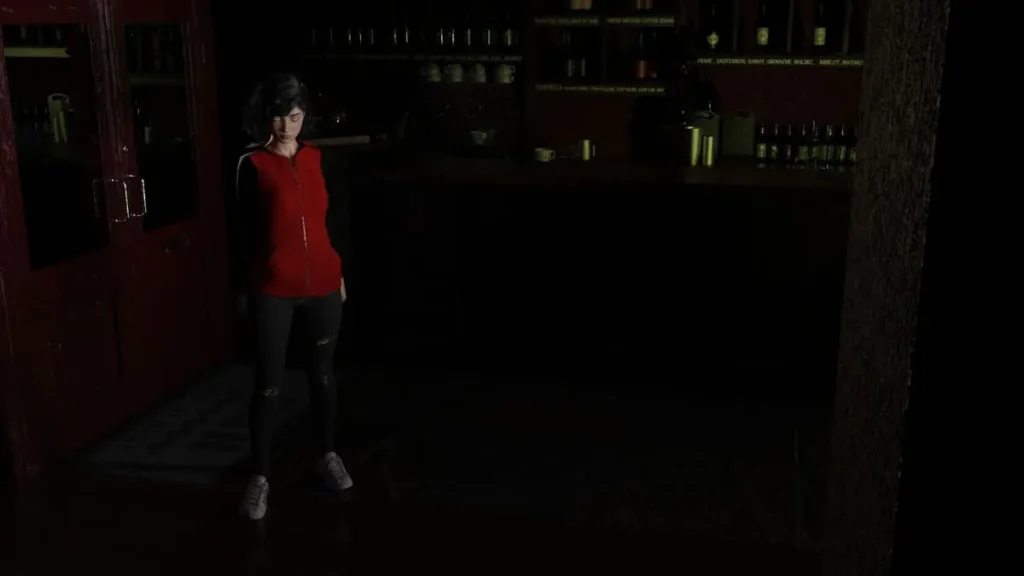
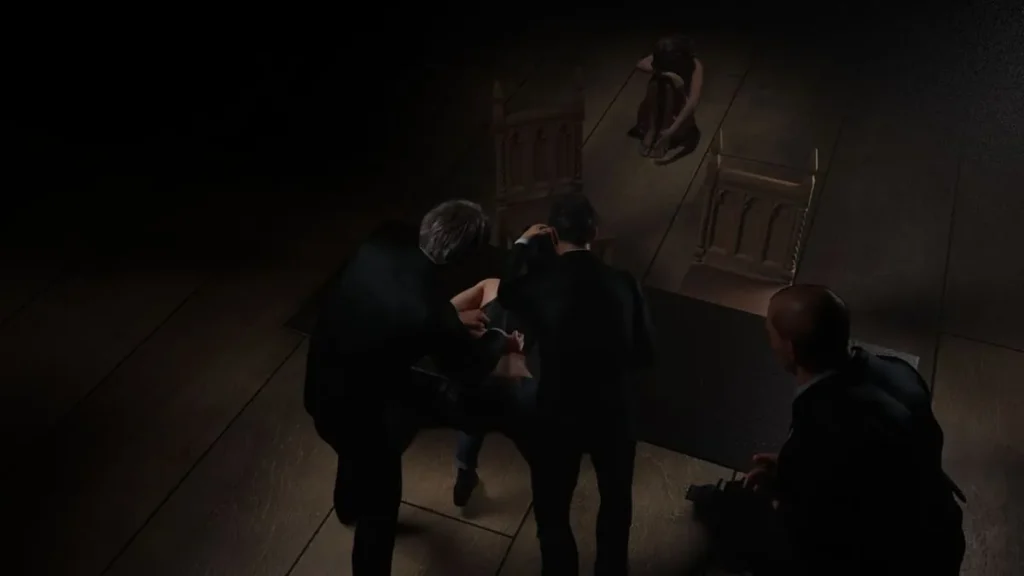
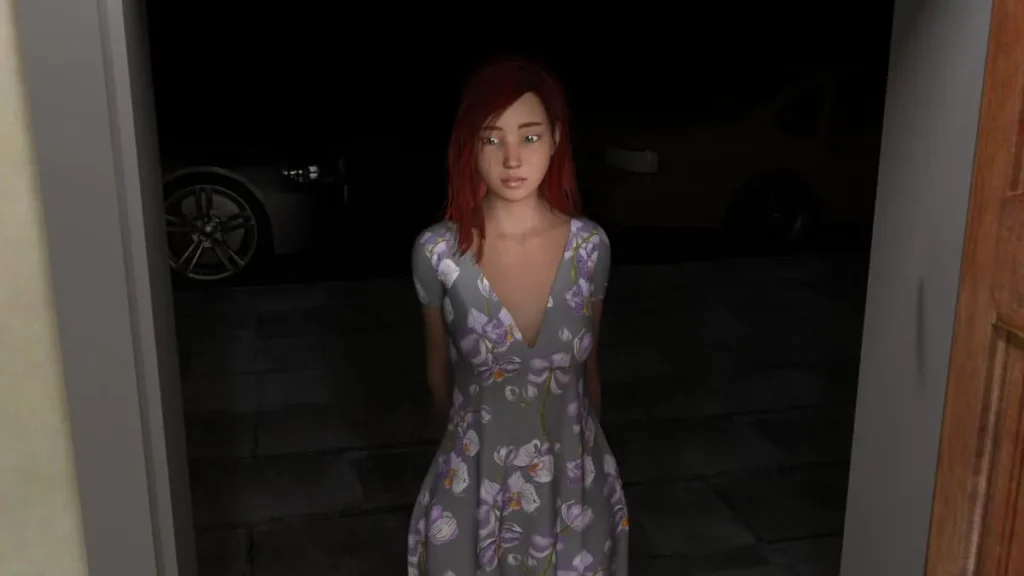



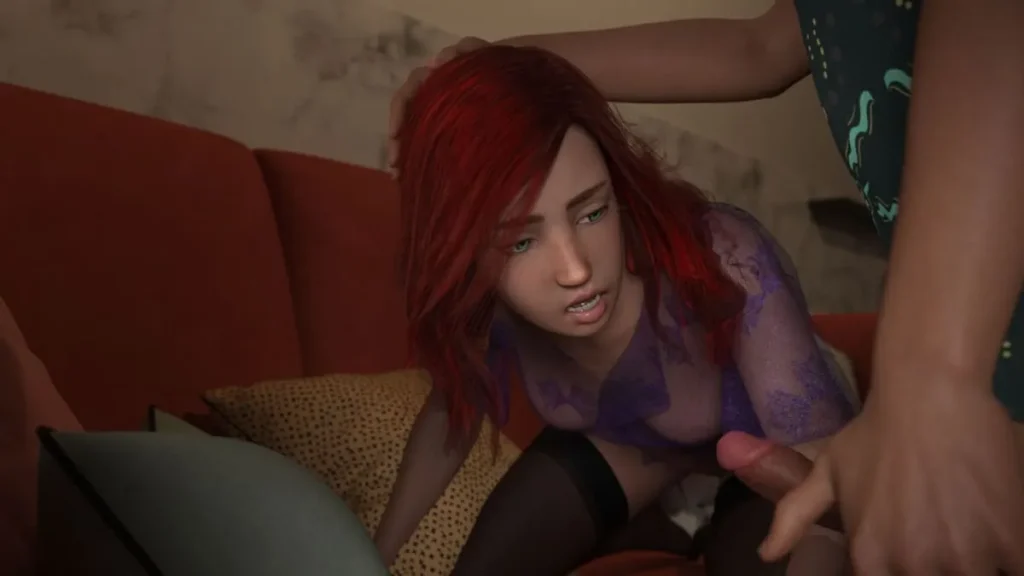
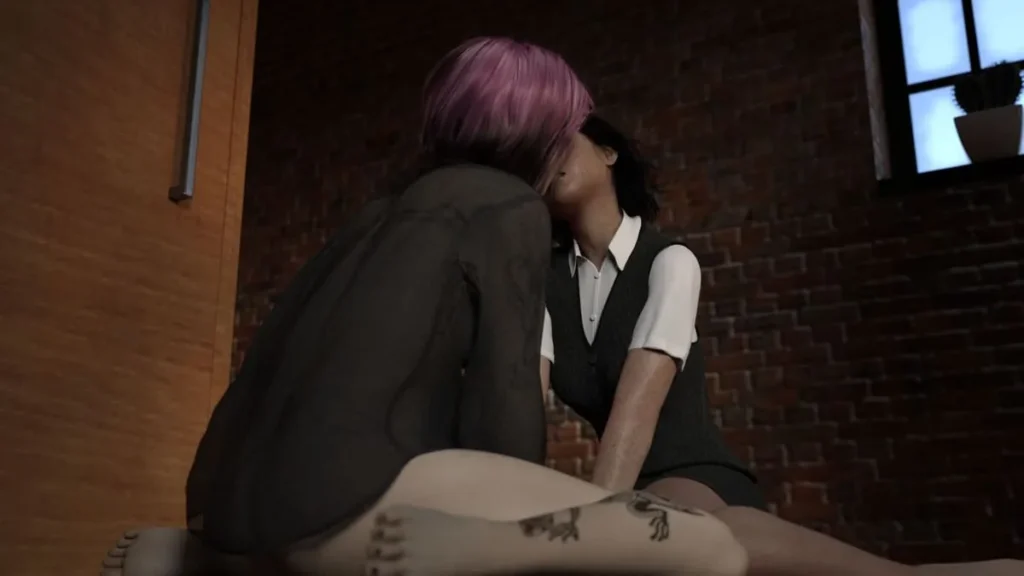
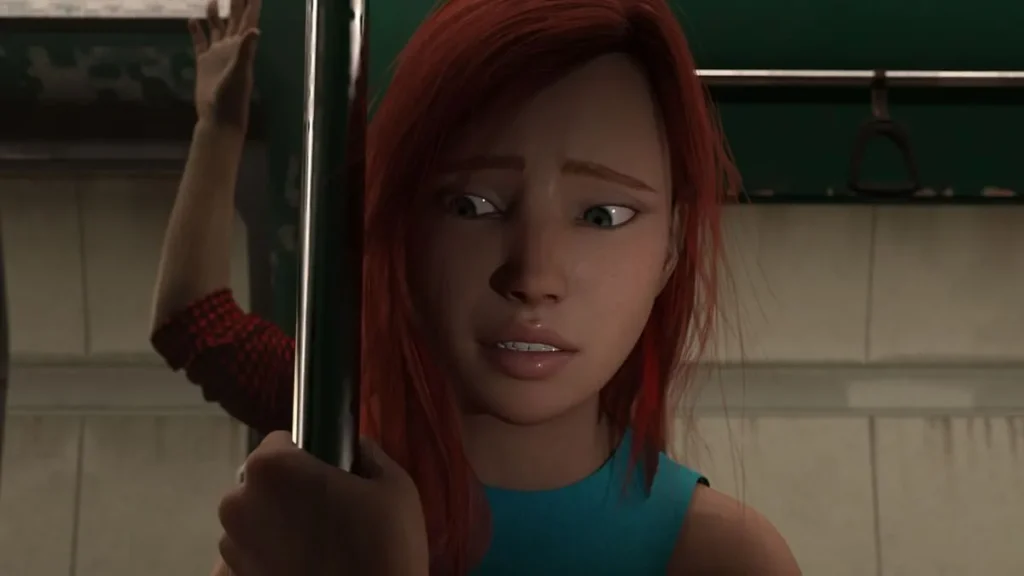


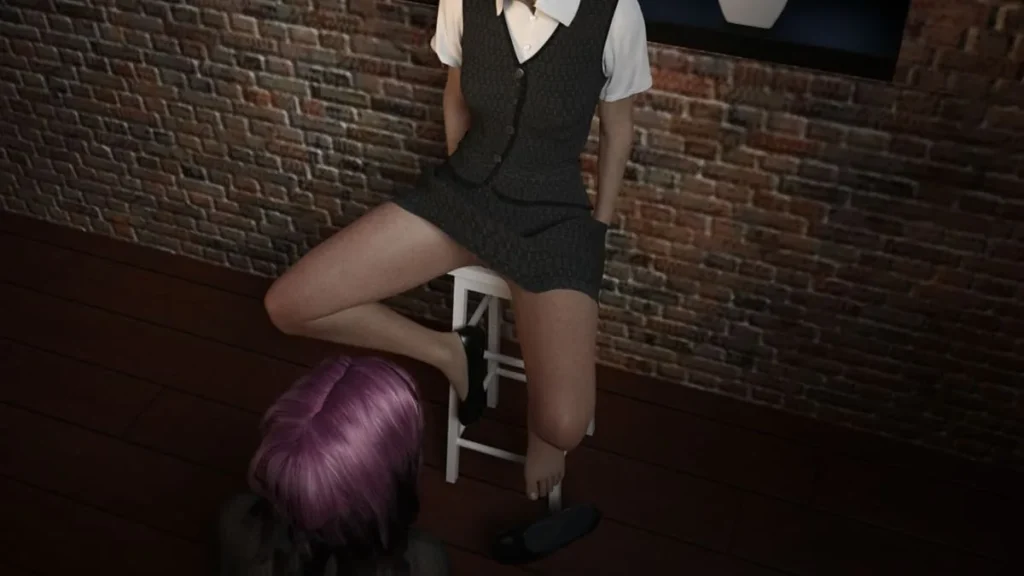
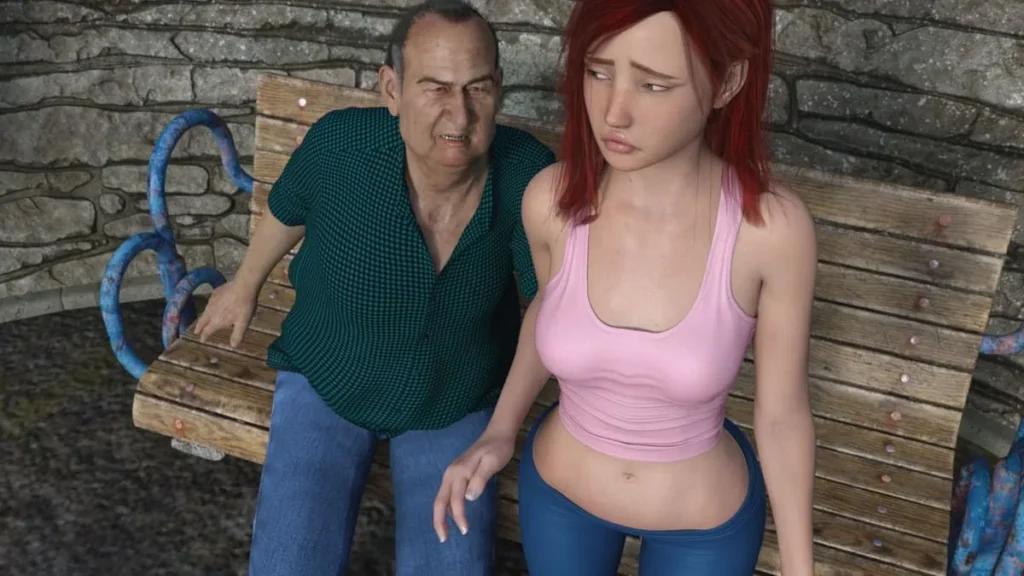
The Theater of Sinners review
Dive into the twisted tales of corruption and choice in this gripping adult game
Imagine stepping into the Grand Théâtre des Ombres, a shadowy realm where desires clash and choices carve fates in The Theater of Sinners. This Ren’Py visual novel by JustXThings pulls you into a psychological fantasy horror story, blending interleaved tales of four protagonists battling abuse, humiliation, and moral gray areas. From Paula’s fall among teen delinquents to Rebecca’s tormented home life, every decision branches the narrative toward corruption or fleeting redemption. I first stumbled upon it during a late-night itch.io browse, hooked by its raw emotional depth and stunning artwork. If you’re craving a game where your picks shape detestable yet compelling characters, this Theater of Sinners guide uncovers its secrets, mechanics, and why it lingers long after the screen fades.
What Makes The Theater of Sinners Uniquely Captivating?
I still remember the first time I launched The Theater of Sinners. I expected a dark story, sure, but I wasn’t prepared for the sheer weight of it. It wasn’t jump-scares or gore that got me—it was the atmosphere. That opening, with the imposing facade of the Grand Théâtre des Ombres, didn’t feel like a venue. It felt like a gilded cage, a beautiful trap where the audience was just another part of the performance. That immediate, unsettling dread is the game’s signature, and it’s what makes this psychological fantasy horror experience so uniquely captivating. 😨
So, what is The Theater of Sinners? At its heart, it’s a masterfully crafted, decision-driven RenPy visual novel mechanics powerhouse for adults. It’s not about cheap scares; it’s about the slow, creeping horror of human psychology and the devastating consequences of choice. You don’t just watch a story unfold—you coil the spring, piece by painful piece.
Unraveling the Core Premise and Setting
The core premise of The Theater of Sinners game is deceptively simple yet profoundly twisted. The Grand Théâtre des Ombres is a clandestine establishment where people come to settle scores and act out their deepest, darkest fantasies through paid performers. You, the player, are the new Patron, holding the purse strings and, more importantly, the power to shape these narratives.
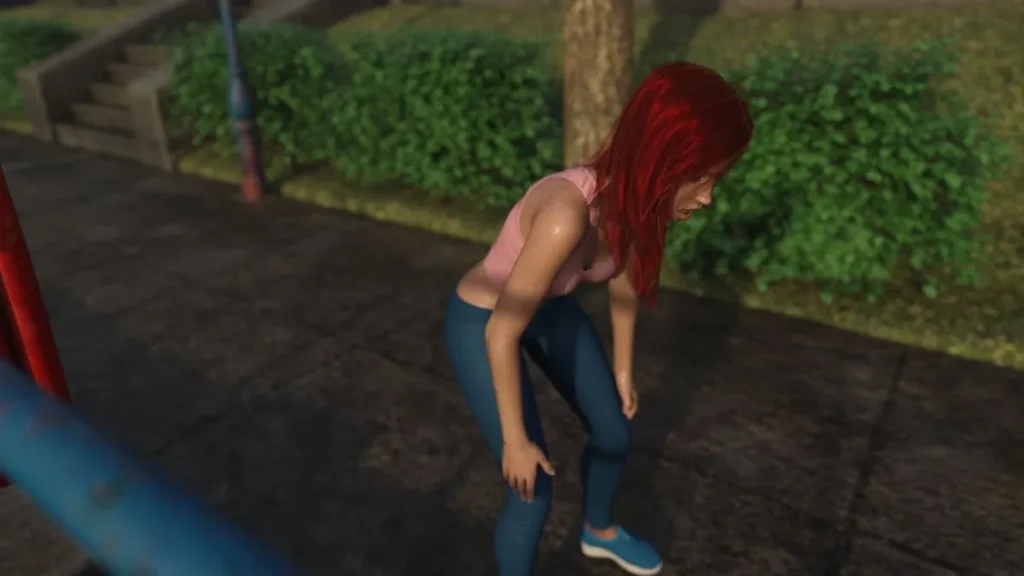
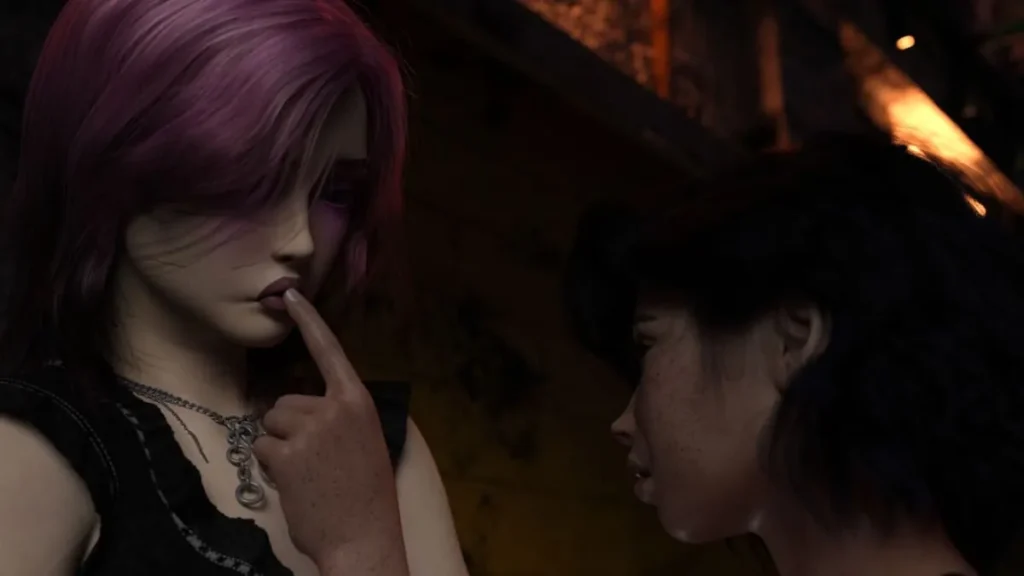
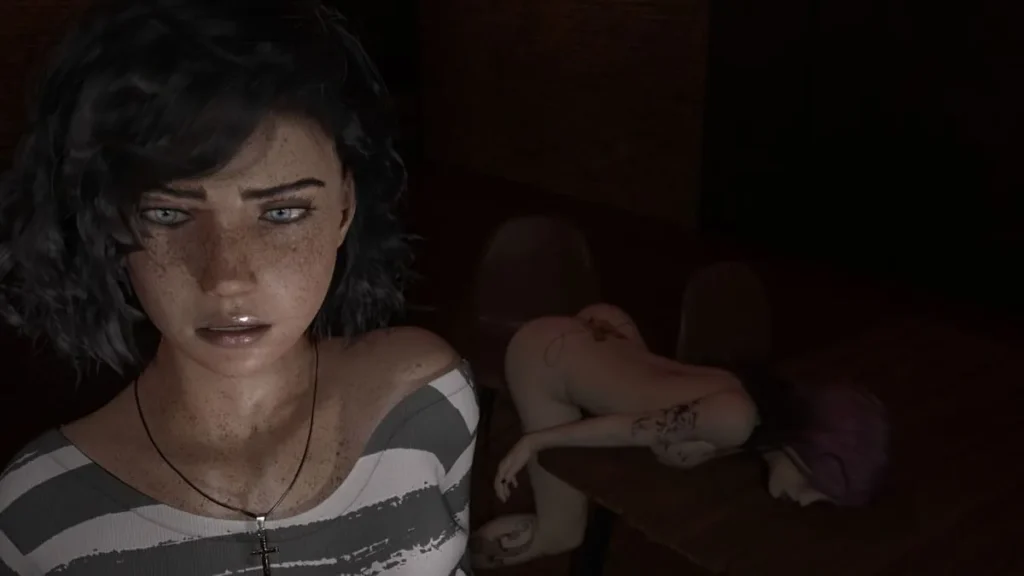
But this isn’t about detached puppet-mastery. The game interweaves the stories of four protagonists, and you become deeply entangled in their pain. Take Paula, for instance—the daughter of a powerful, cold corporate figure. Her story is a brutal exploration of bullying and deviance, as a group of teen delinquents methodically strips away her privilege and security. Then there’s Rebecca, whose life with an addict mother and a violently abusive step-father paints a harrowing picture of survival and shattered self-worth.
As the developer notes on itch.io, the focus is on “a dark story of abuse and kinks,” emphasizing that it’s a free, story-first experience “about very damaged people.” This clarity of vision is what sets the stage.
The setting itself is a character. The Grand Théâtre des Ombres is all velvet curtains, faint stage lights, and echoing silence backstage. It’s a liminal space—not quite real, not quite fantasy—where the rules of the outside world dissolve, and raw human nature takes the spotlight. 🎭 This is where the Theater of Sinners storyline truly begins, as you decide which stories to fund and how they will end.
Why the Psychological Horror Hooks You In
Forget monsters under the bed. The most terrifying monster in The Theater of Sinners is the human psyche, and the game is a masterclass in psychological fantasy horror. It hooks you by presenting moral ambiguity in games not as a gimmick, but as the very fabric of its world. There are rarely clear “good” or “bad” choices—only choices that are less damaging, or that trade one type of pain for another.
The horror comes from themes that are all too real, explored through a darkly fantastical lens:
* The Cycle of Pain: Abuse begets abuse. You see how Rebecca’s trauma shapes her, and how Paula’s tormentors are often victims themselves in other contexts.
* The Weight of Guilt: As the Patron, your financial support enables these scenarios. Are you a benefactor, a savior, or simply a richer kind of predator? The game makes you sit with that question.
* Atmospheric Dread: The ever-present, oppressive feel of the theater, the haunting music, and the stark, beautiful art create a constant state of unease that gets under your skin.
The game bravely delves into complex, adult themes like humiliation, sadism, masochism, self-harm, and D/s dynamics within its twisted narratives. These aren’t presented for titillation but as extensions of the characters’ damaged psychologies and coping mechanisms. A relationship that might look like twisted romance from one angle is a stark portrait of co-dependency and trauma from another. This unflinching look at the darkest corners of motivation is what makes the Theater of Sinners storyline so compelling and memorable. 😶
How Choices Drive the Non-Linear Storyline
This is where The Theater of Sinners game transforms from a story you read into a story you build. The RenPy visual novel mechanics are used not just for branching dialogue, but for a sophisticated stat-tracking system that silently judges your every move.
You don’t follow a single, linear path. The four main stories (and several side scenes) are playable in almost any order. This freedom is an illusion, but a brilliant one. Your early choices raise hidden stats—influencing traits like a character’s Submission, Resilience, or Despair. These stats then act as invisible keys, unlocking or locking away entire branches of dialogue and scene outcomes in later stories you play.
Let me give you an example. Imagine in an early scene with Rebecca, you choose options that encourage quiet endurance. You might raise a “Compliance” stat. Days later, when playing Paula’s story, you might find a new, harsher option available when she’s bullied—one that reflects a learned helplessness you indirectly fostered in another character entirely. Your choices echo across the entire theater.
This non-linear, stat-driven design means your first playthrough is uniquely yours. You might see a “softer” outcome for one character and a devastatingly harsh one for another. To see everything, you must replay, making deliberately different choices to shift the stat thresholds and unlock new content. It’s a powerful commentary on the game’s own themes: you can’t see all sides of a person’s pain in a single encounter.
Here’s a simplified look at how key mechanics interact:
| Mechanic | How It Works | Impact on Story |
|---|---|---|
| Stat Checks | Hidden values (e.g., Guilt, Corruption) are raised or lowered by choices. | Determines if you can access specific dialogue branches or special scenes later. |
| Non-Linear Chapter Select | Most character episodes can be played in any order after the intro. | Creates a unique narrative flow; your sequence shapes your perception of events. |
| Milestone Triggers | Completing certain scenes or achieving specific endings unlocks new starting points. | Encourages replayability and reveals deeper layers of the interconnected story. |
My strongest piece of advice? Do not rush the dialogue. 🐌 The brilliance of the writing is often in what isn’t said outright—a hesitation, a shifted gaze, a line that can be read as resigned acceptance or simmering rage depending on the context you bring from other stories. Reading carefully for these subtle implications is the key to understanding the full, tragic picture.
For me, this character-driven focus is what makes The Theater of Sinners outshine typical games. It’s a demanding, emotionally intense experience that trusts you to handle complexity without hand-holding. If you’re ready to dive in, here’s your actionable tip: On your first run, abandon the idea of a “perfect” playthrough. Follow your gut, make choices that feel right (or intriguingly wrong) in the moment, and let your unique, flawed narrative unfold. You can always return to the Grand Théâtre des Ombres to explore the paths not taken—and you almost certainly will. The pull of its moral ambiguity in games is just that strong.
The Theater of Sinners stands out as a masterful blend of haunting narrative, branching choices, and unflinching exploration of human darkness, from Paula’s corruption to Rebecca’s inner battles. My own dives into its paths revealed how every decision echoes, turning players into unwitting directors of twisted fates. Whether you’re drawn to the psychological depth or the raw dynamics, it delivers an experience that’s equal parts unsettling and addictive. Ready to step onto its stage? Download the latest 0.3 ALPHA 1 version from itch.io, savor the dialogue, and let your choices unfold the shadows. Share your wildest path in the comments—what broke you first?