
Play Treasure of Nadia
Treasure of Nadia Screenshots


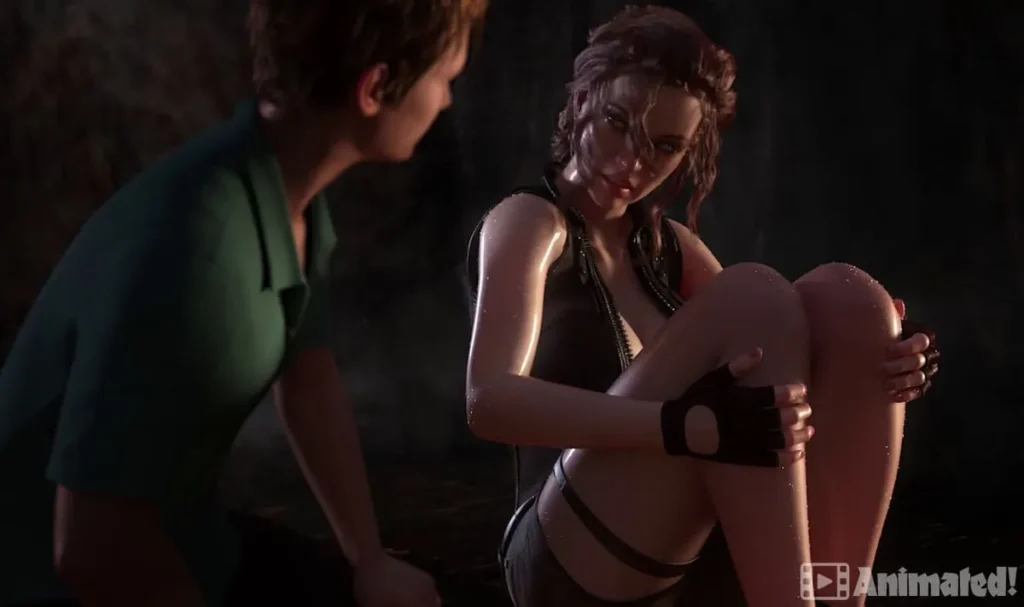

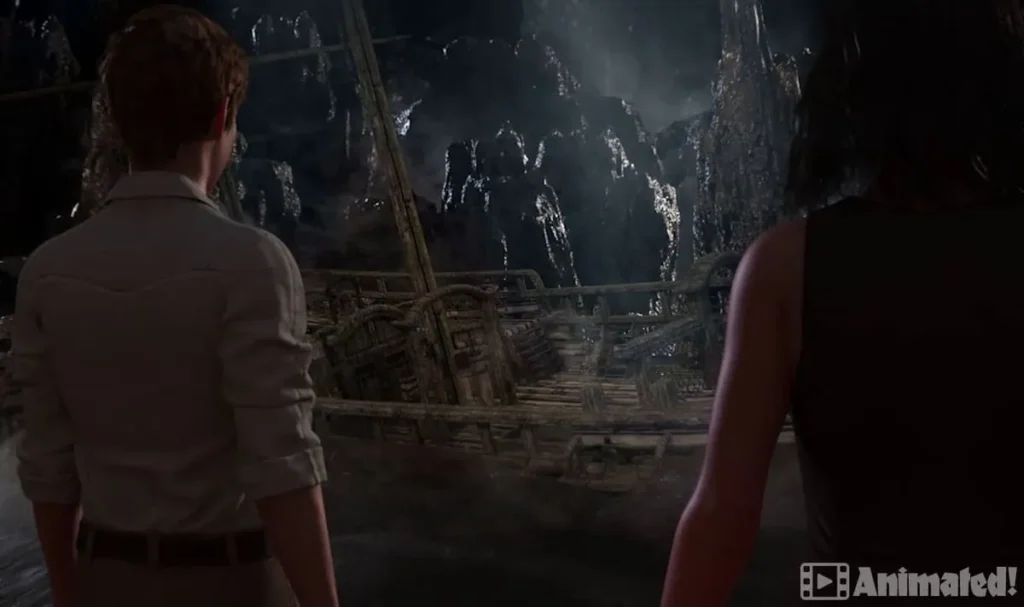

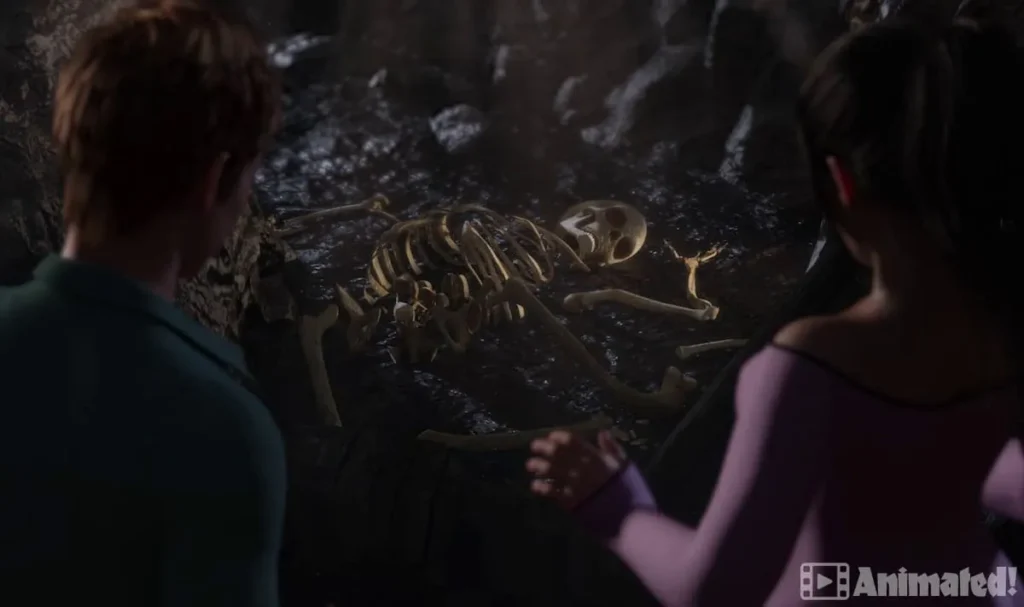


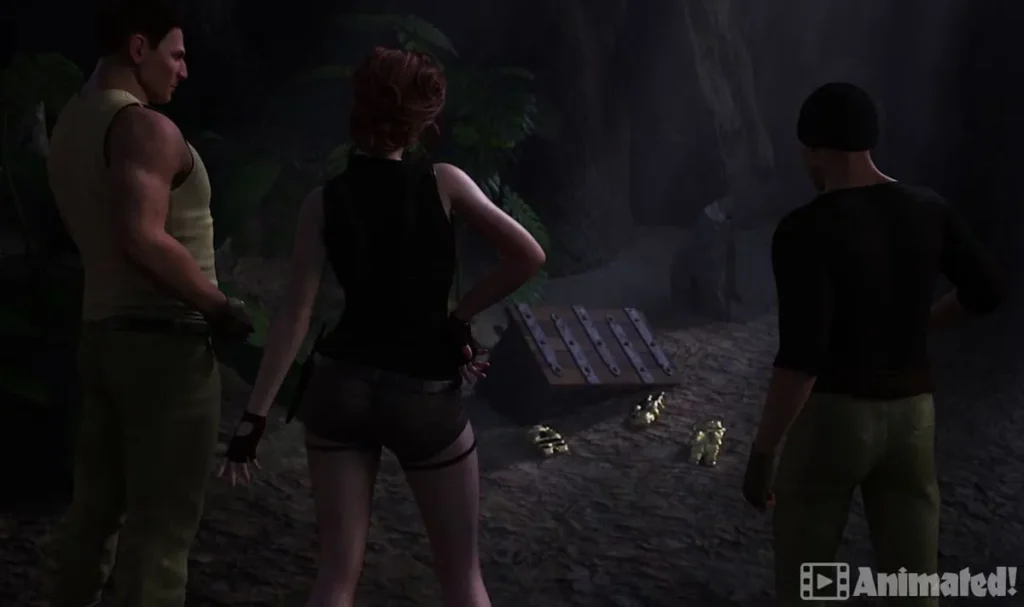








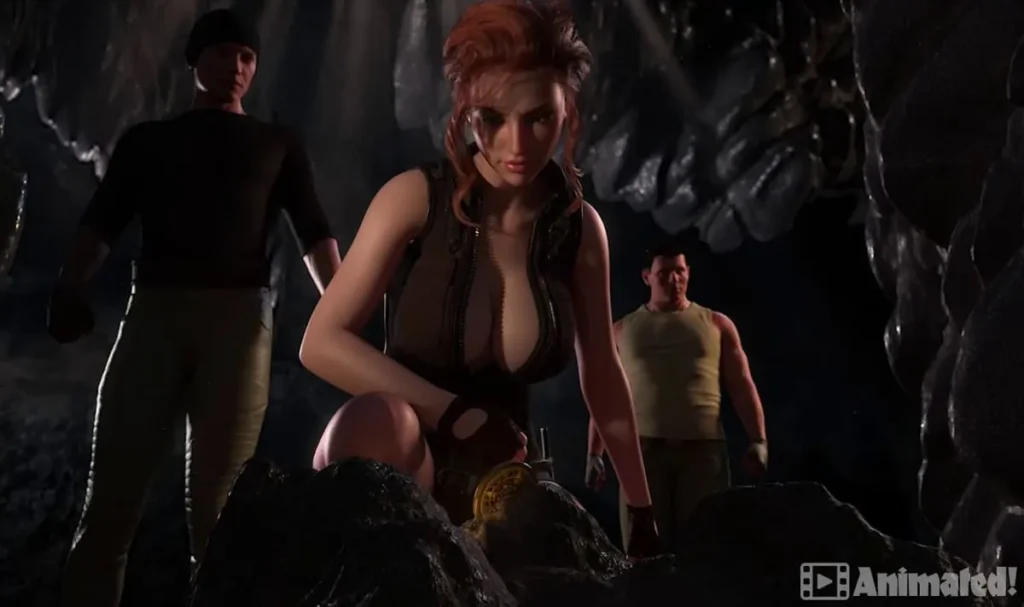
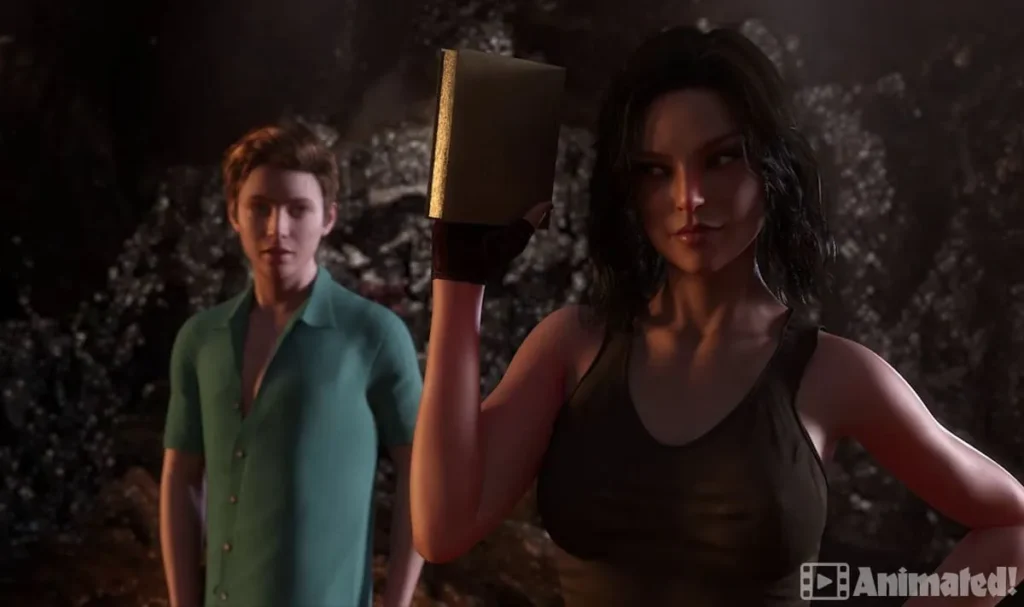
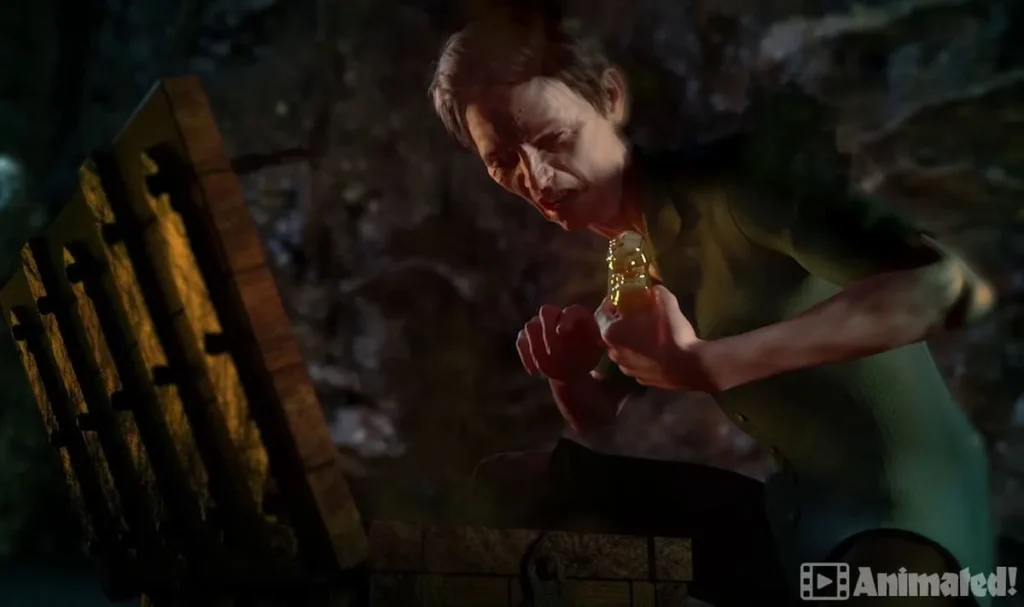




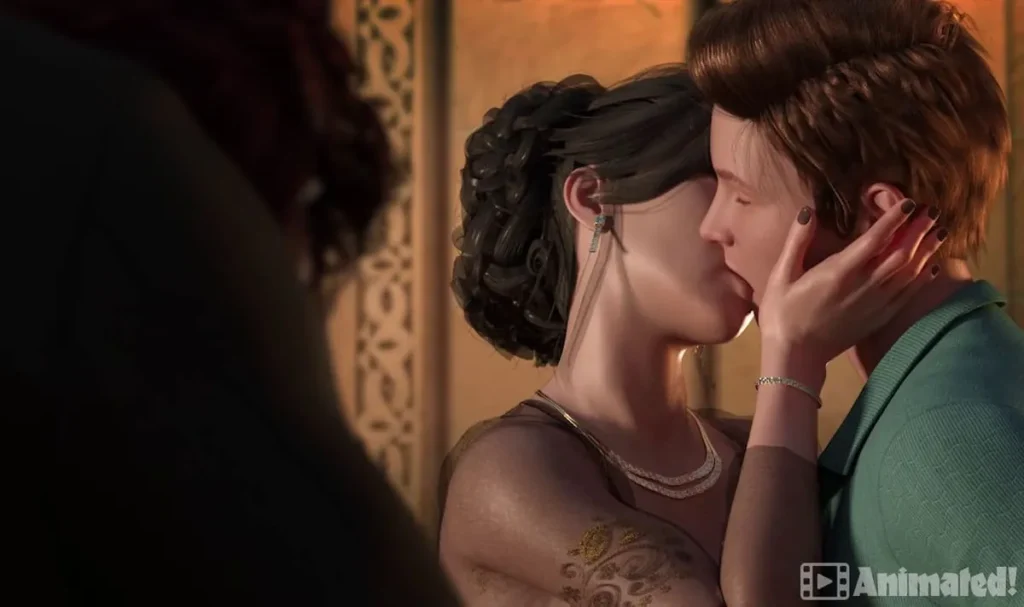
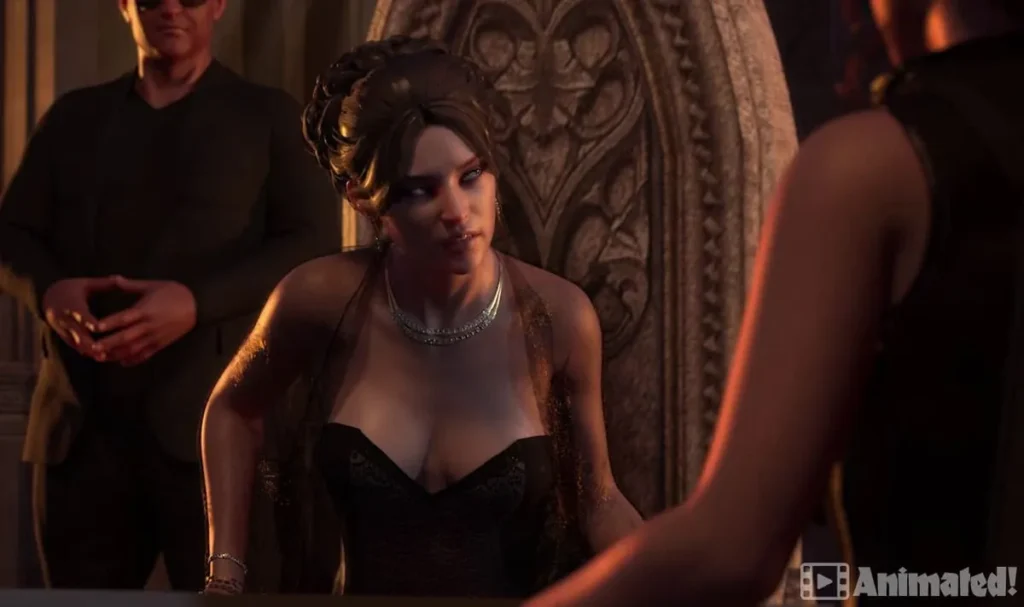




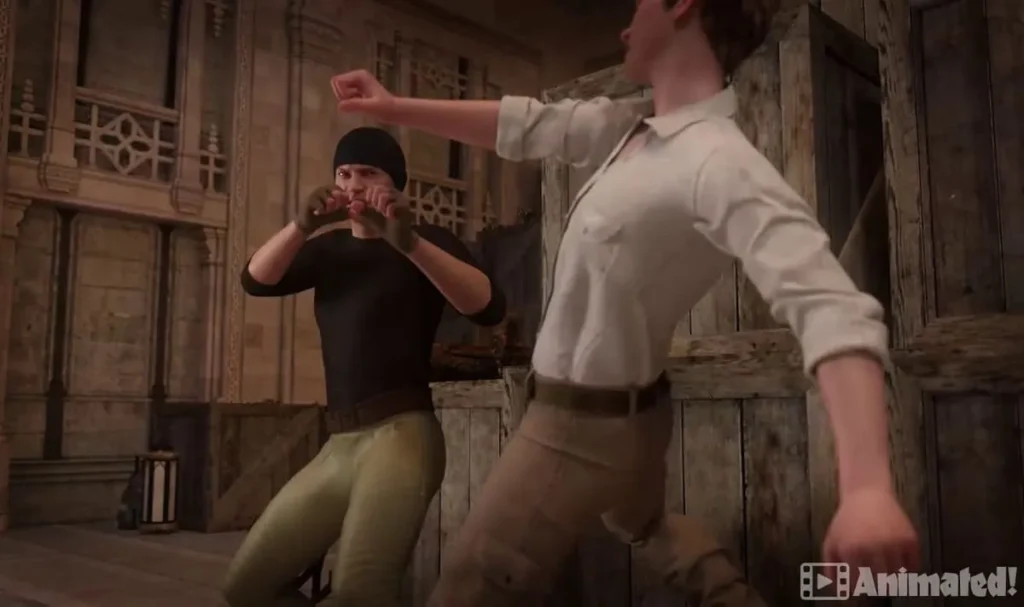










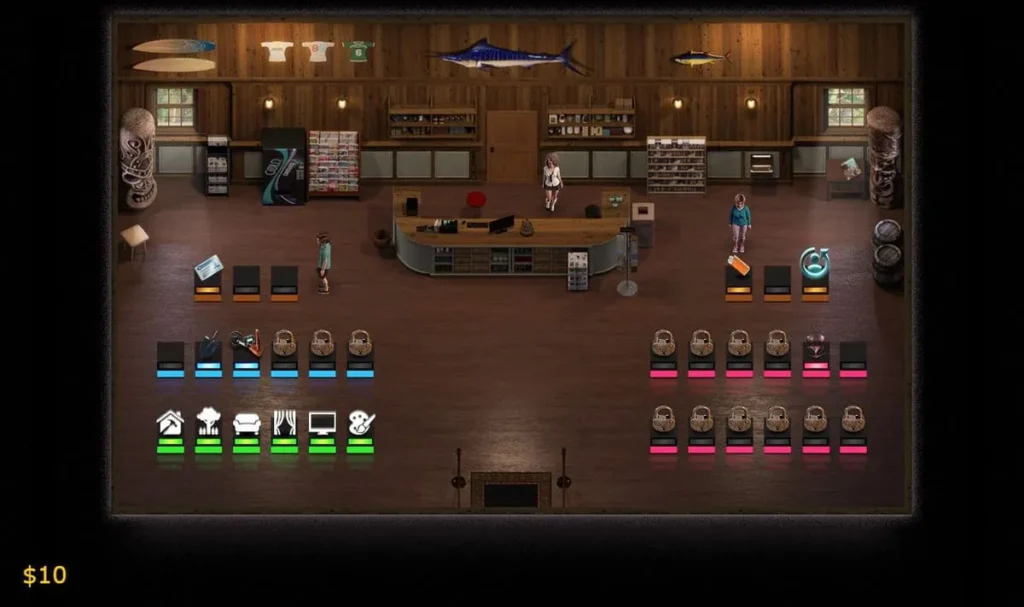

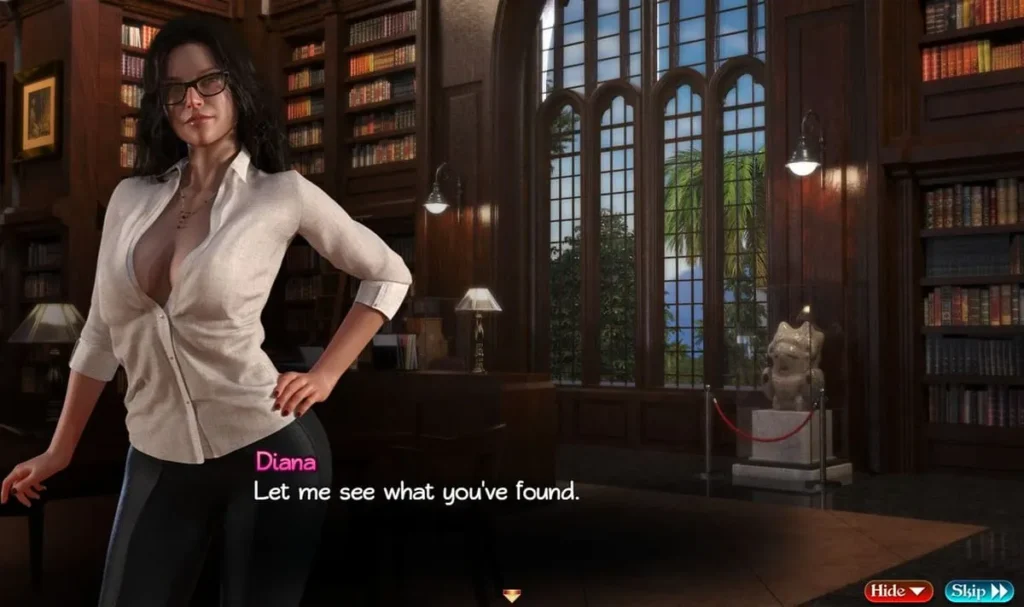





Treasure of Nadia review
Explore the ultimate adventure experience combining treasure hunting, puzzle-solving, and interactive storytelling
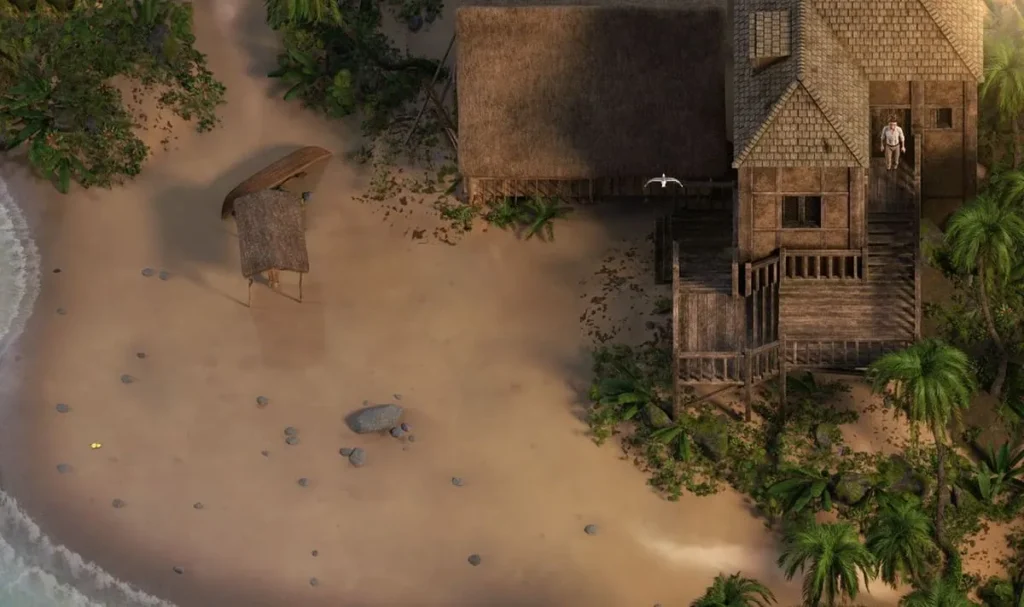
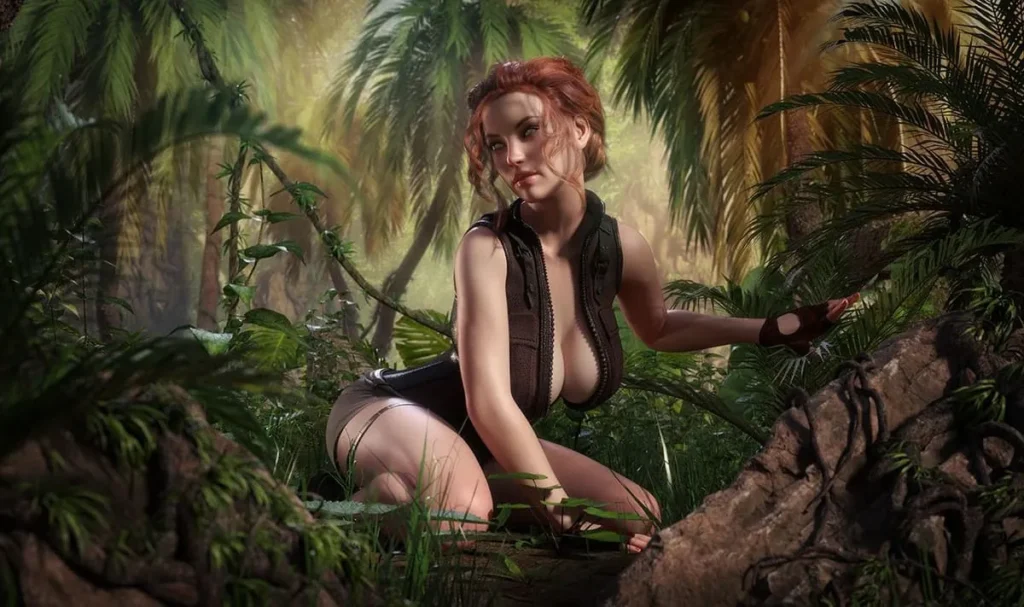
Treasure of Nadia stands out as a captivating adventure experience that blends multiple gaming genres into one immersive package. Set on the mysterious island of Cape Vedra, players assume the role of Henry, following in the footsteps of his legendary treasure-hunting father, Dr. Idaho Johnson. This guide explores everything you need to know about the game’s mechanics, storyline, character interactions, and gameplay progression. Whether you’re new to the adventure or looking to optimize your treasure-hunting experience, understanding the game’s core systems will enhance your journey through lush jungles, ancient libraries, and hidden caverns.
Understanding Treasure of Nadia: Gameplay Mechanics and Core Features
Ever felt like most adventure games force you into a box? 🤔 You’re either solving endless puzzles with a paper-thin story, or clicking through a visual novel with zero sense of discovery. I know I have. That’s why playing Treasure of Nadia felt like a revelation. It doesn’t just blend genres; it masterfully weaves them into a single, cohesive experience where every click matters. At its heart, the Treasure of Nadia gameplay mechanics represent a perfect marriage between the deep narrative of a visual novel exploration game and the hands-on engagement of a classic point and click adventure game. This chapter is your map to understanding how this unique fusion works, turning you from a casual player into a savvy treasure hunter. 🗺️⚓
What Makes Treasure of Nadia Unique in Adventure Gaming
So, what’s the secret sauce? 🍲 It’s the game’s refusal to let one element dominate. You’re never just reading dialogue or only solving a puzzle. Every action is interconnected. The story drives the exploration, the exploration reveals the puzzles, and solving those puzzles unlocks more of the story and deeper Treasure of Nadia character interactions. It’s a beautiful, self-sustaining loop.
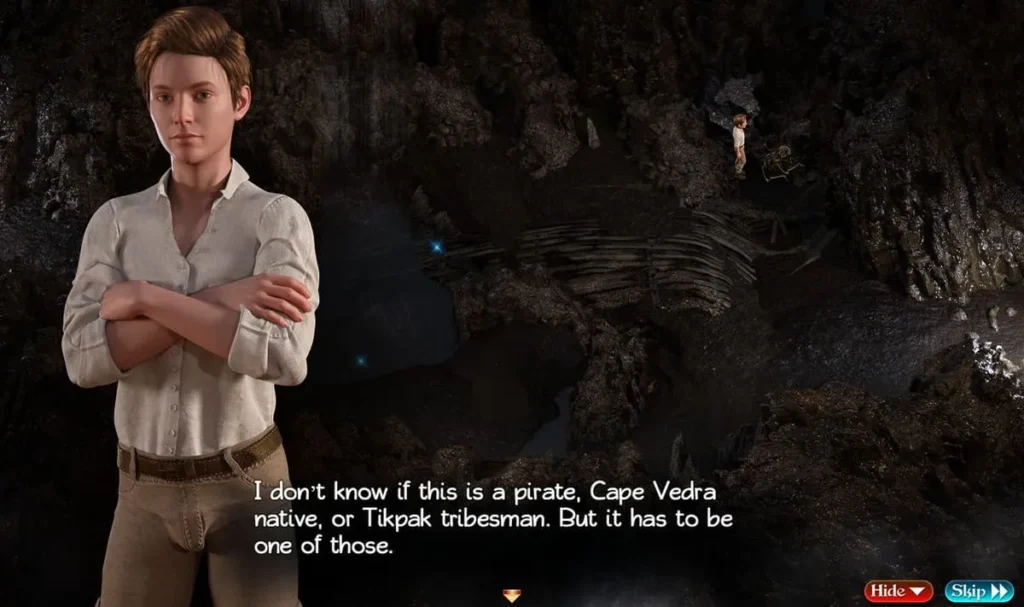
I remember early on, needing to get a key item from the local library. In a standard game, I’d walk in, find it on a shelf, and leave. Here, I had to first build a rapport with the librarian, Diana. Our conversations (pure visual novel exploration game territory) revealed her personal interests and the library’s hidden layout. Only by engaging with her story did I learn about a secret compartment, which led to an environmental puzzle (classic adventure game puzzle solving), which finally gave me the item I needed to progress my main treasure hunt. The interactive storytelling game mechanics aren’t a separate layer; they are the gameplay.
This hybrid approach means you’re constantly engaged on multiple levels. One moment you’re carefully managing your resources, the next you’re making a narrative choice that affects a relationship, and the next you’re scrutinizing a jungle scene for a hidden switch. It’s this rich tapestry that defines the Treasure of Nadia gameplay mechanics.
- The “Everything is Connected” Design: No activity feels like a minigame or a side distraction. Fishing earns you money for tools, which help you explore new areas, where you meet new characters who give you clues for the main quest.
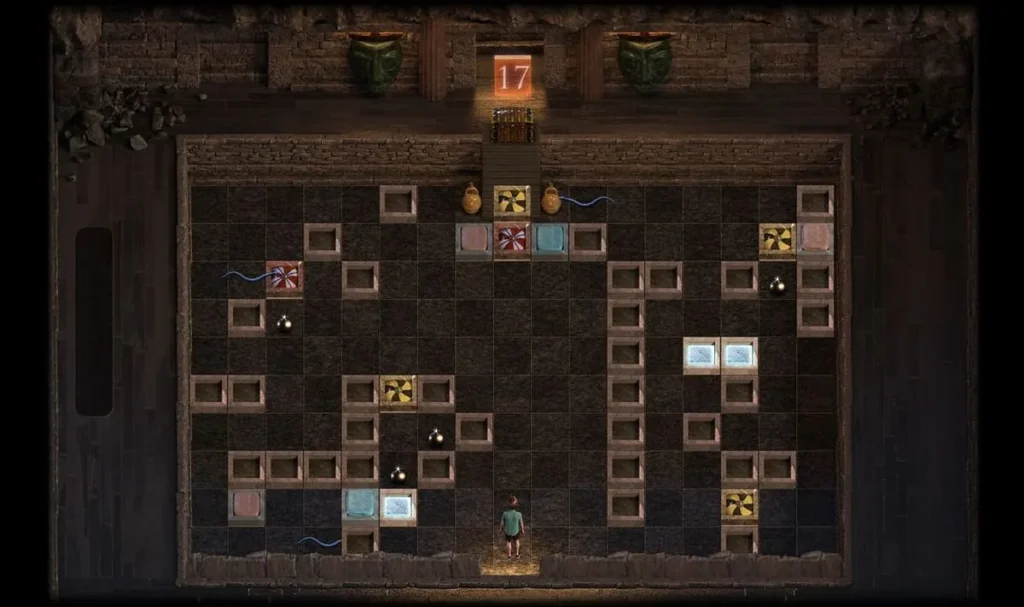
- Puzzles with Purpose: Every brain-teaser, from matching symbols to inventory combinations, directly advances the plot or uncovers a crucial piece of island lore. The adventure game puzzle solving is never arbitrary.
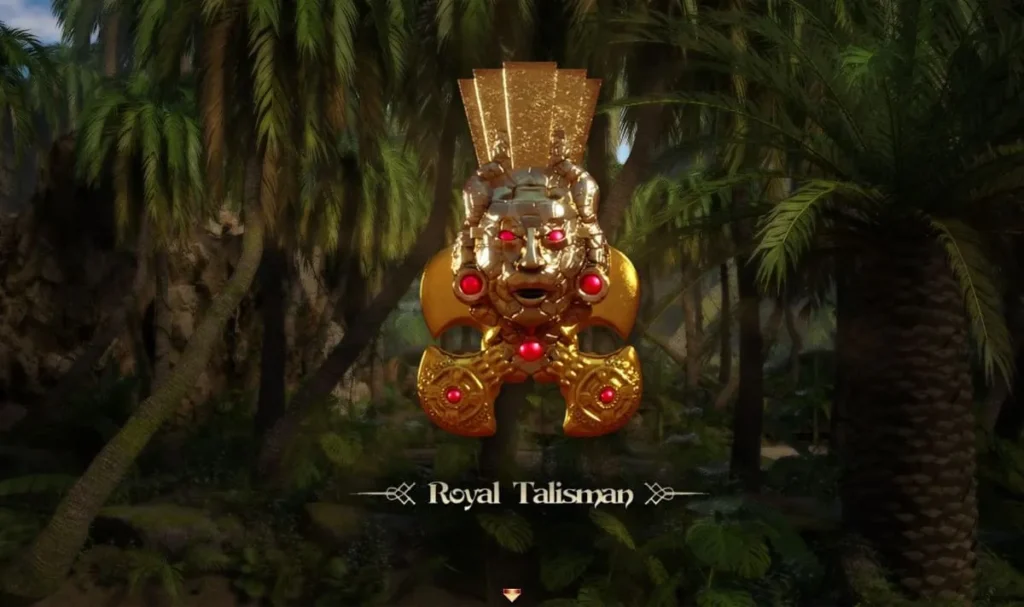
- Exploration as Reward: Finding a new location like the mysterious caves or the overgrown jungle temple is thrilling because you know it will be packed with secrets, new puzzles, and character moments.
- Character-Driven Progression: Your relationships are your primary key. The Treasure of Nadia progression system is gated not by arbitrary levels, but by trust and friendship with the island’s inhabitants.
Core Gameplay Systems: Puzzles, Exploration, and Progression
Let’s break down the engine that powers this adventure. Think of Treasure of Nadia as having three core gears that constantly turn together: Exploration, Puzzle-Solving, and Progression.
The Heart of the Hunt: Puzzle-Solving 🧩
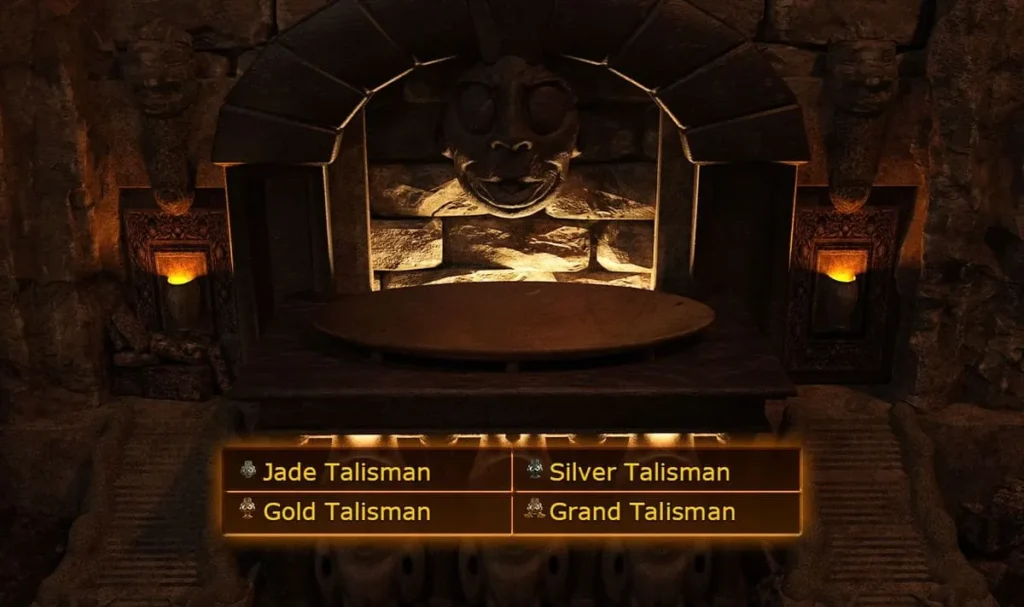
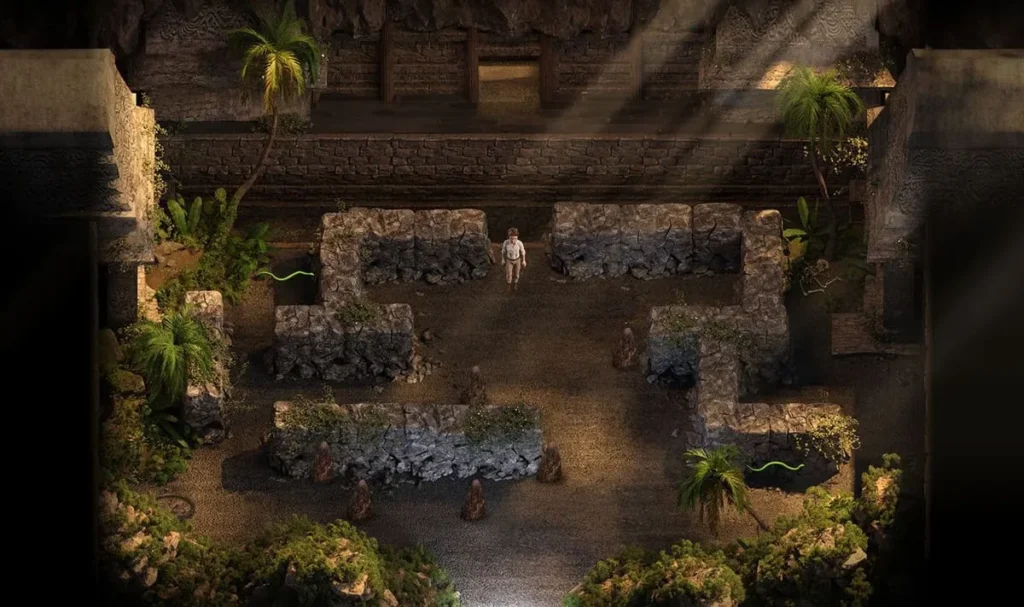
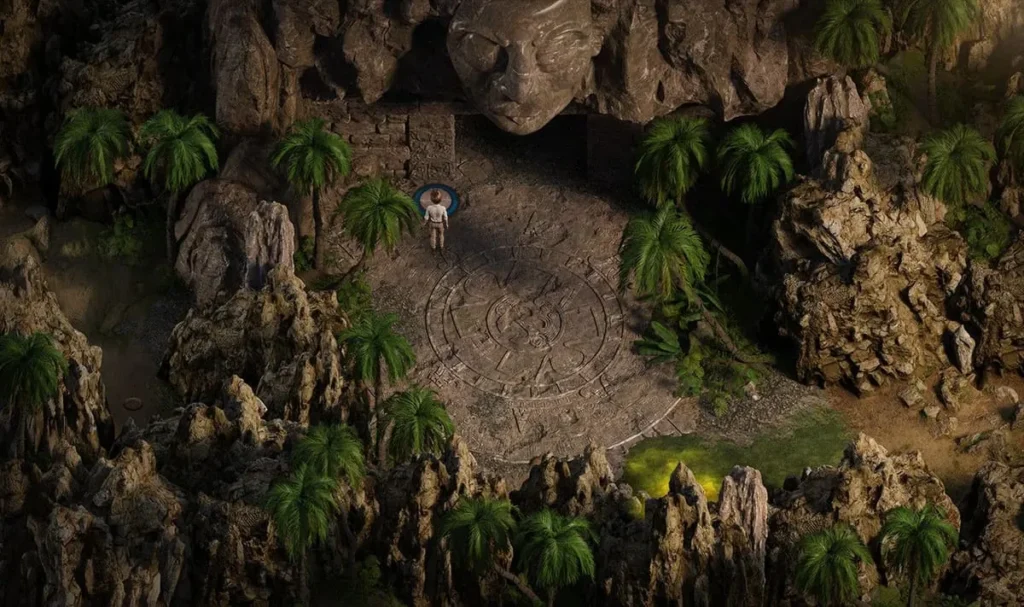
The adventure game puzzle solving here is wonderfully varied. You won’t be stuck doing the same type of puzzle for hours. One minute you’re deciphering ancient glyphs in a temple (a logic puzzle), the next you’re combining items in your inventory to create a tool (an inventory puzzle), and later you might be figuring out the sequence to press a series of stones (an environmental puzzle). What I love is that they all feel diegetic—they exist naturally in the world. You’re not solving a “puzzle game”; you’re deciphering the island’s mysteries yourself. The solutions always rely on clues you’ve gathered through exploration or conversations, making your success feel earned and intelligent.
Your Playground: The World of Nadia 🏝️
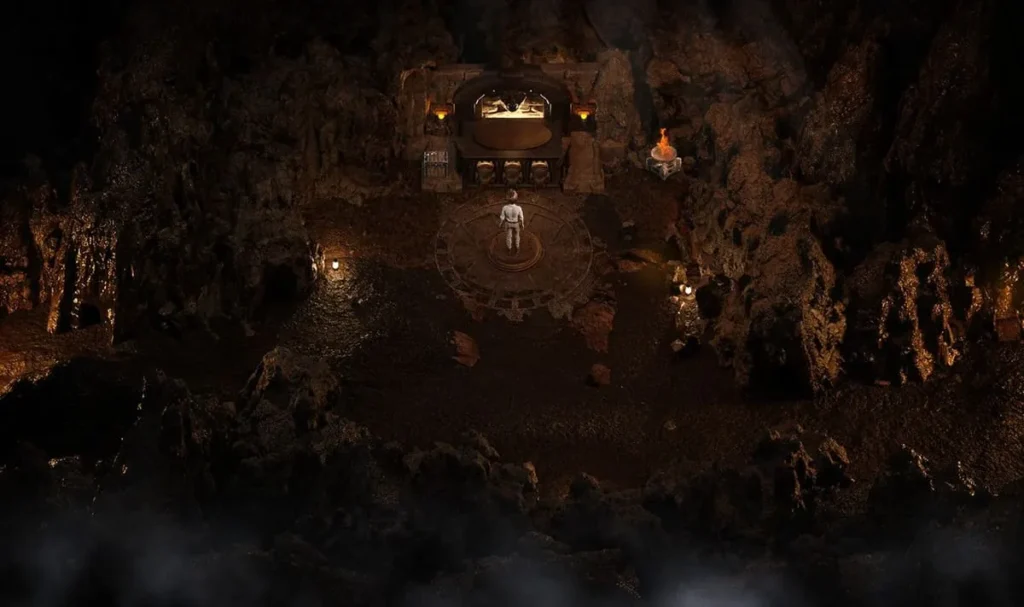
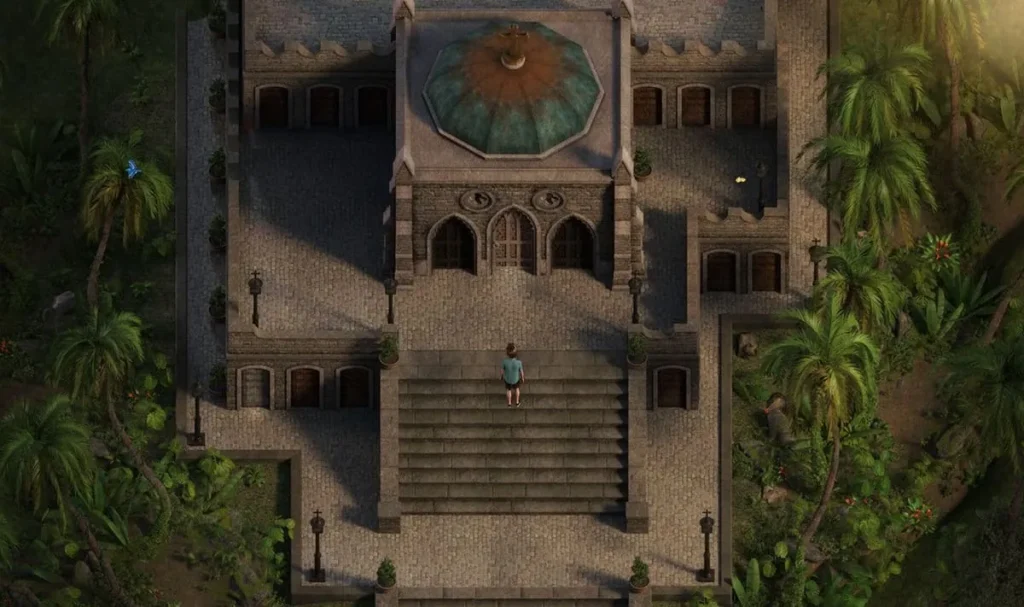
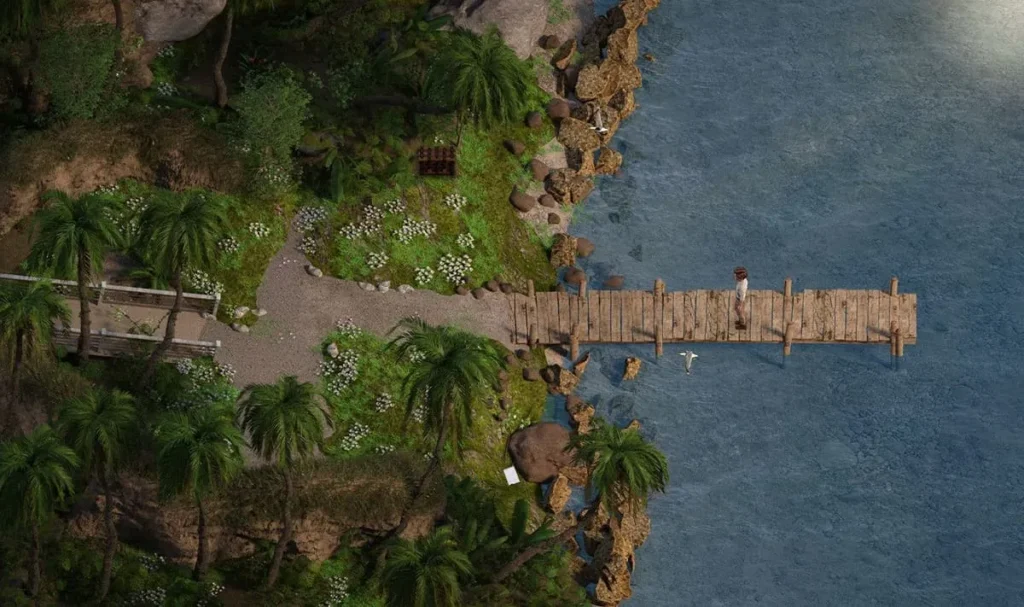
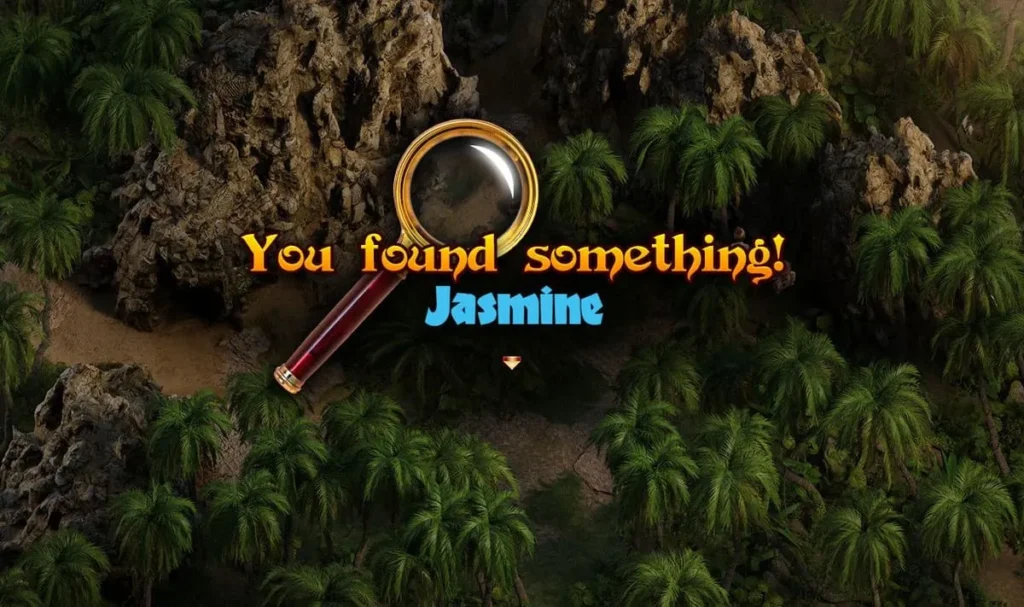
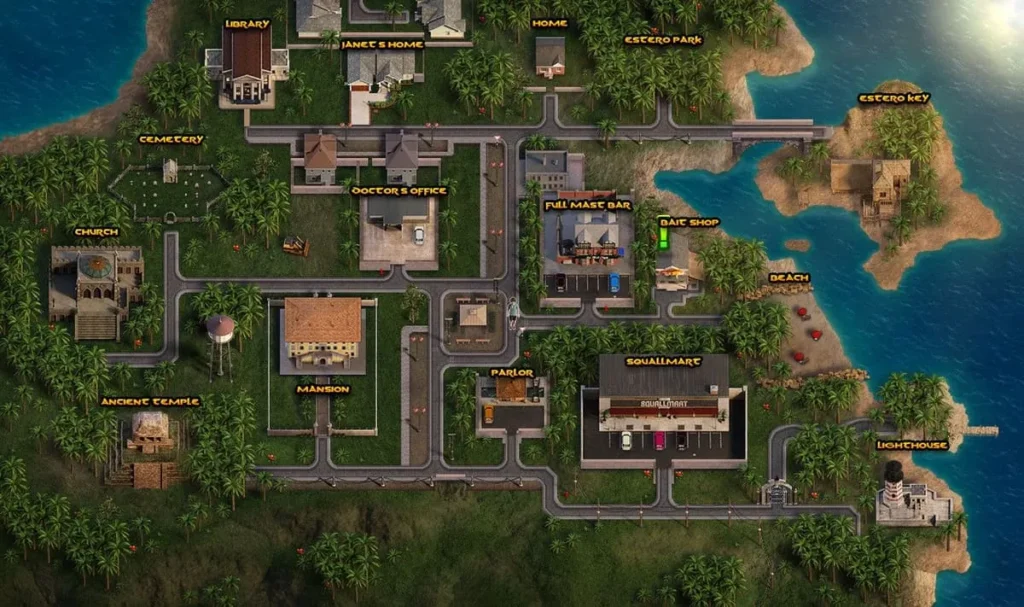
As a point and click adventure game, the world is your interactive canvas. You’ll split your time between familiar hubs like the bar, library, and supermarket, and wild, untamed locations like the dense jungle, winding beaches, and dark cave systems. Each location has a distinct mood and purpose. The bar is for gathering rumors and socializing, the library for research, and the wilds for direct exploration and discovery.
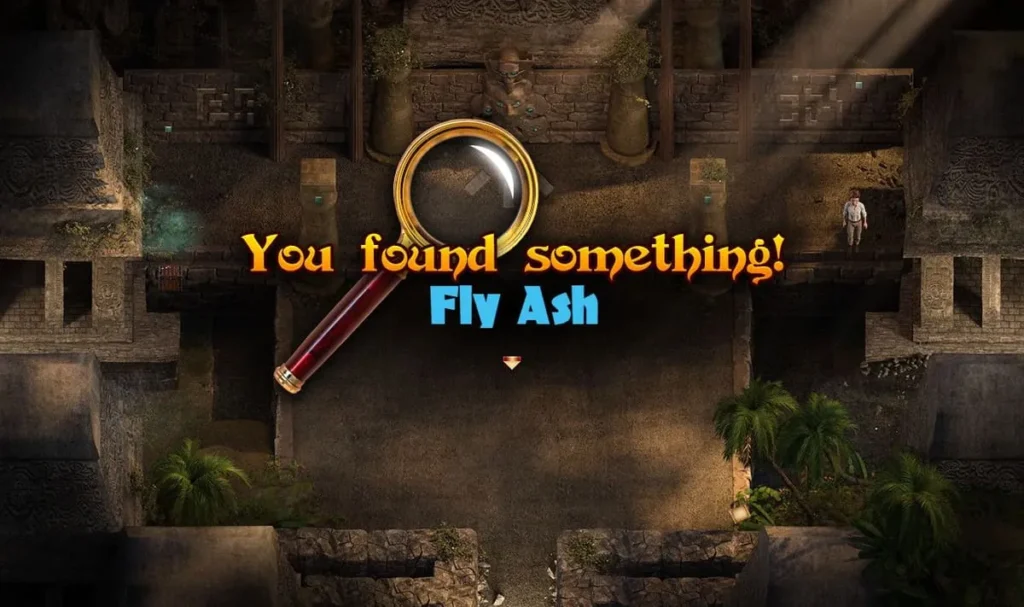
The visual novel exploration game aspect shines in how you uncover these areas. New zones often unlock after key story beats or after helping a character with a personal problem. This makes every new screen feel like a tangible reward, a direct result of your efforts. The exploration is never empty, either. Every scene is packed with interactive hotspots, some yielding useful items, others offering flavorful dialogue or crucial hints.
Moving Forward: The Progression System 📈
The Treasure of Nadia progression system is elegantly simple yet deep. Your progress is tracked through multiple channels:
* Main Story Quest: The central thread of finding the treasure.
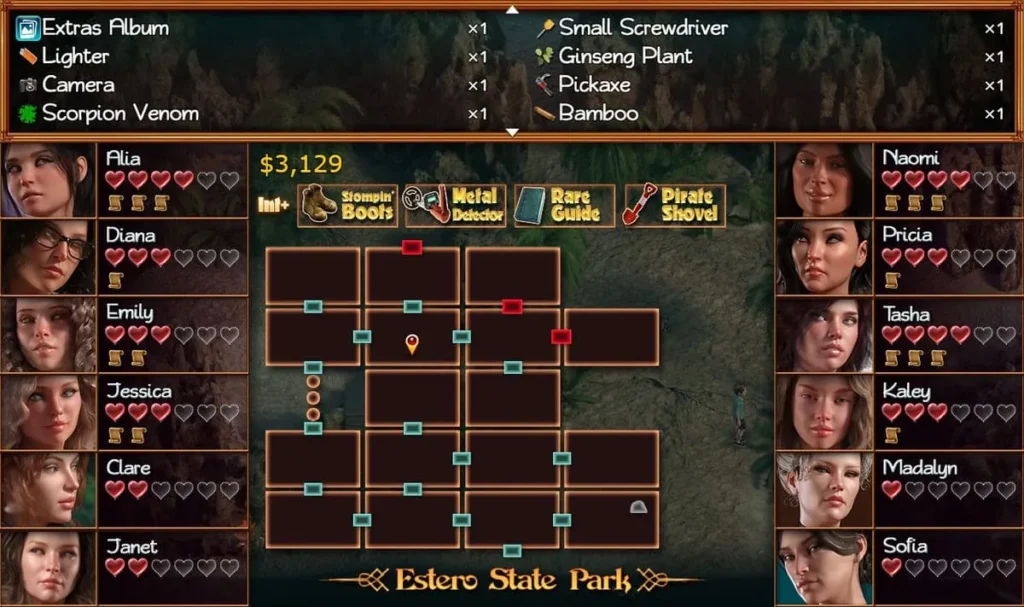
* Character Relationship Bars: Visual indicators of your bond with each key character.
* Inventory & Tools: Acquiring new items (metal detectors, shovels, climbing gear) that literally open up new areas.
* Currency & Resources: Earning Nadia Gold through activities like fishing to buy crucial items and upgrades.
This system ensures you’re always working towards multiple goals. You might set out to earn cash for a new shovel, but while fishing, you might trigger a special event with a character, boosting their relationship and unlocking a new clue for the main treasure. It’s an organic, player-driven form of progression.
To see how these systems interlock across the island, take a look at this breakdown:
| Exploration Location | Primary Puzzle Types | Progression Mechanics Unlocked |
|---|---|---|
| The Bar & Town | Dialogue Choices, Simple Fetch Quests | Initial Character Introductions, Basic Currency Earning |
| The Library | Research Puzzles, Code Deciphering, Hidden Compartment Searches | Historical Lore, Maps to New Areas, Deeper Story Context |
| The Jungle & Caves | Environmental Puzzles, Sequence Challenges, Inventory Combination Puzzles | Key Treasure Items, New Tools, Major Story Revelations |
| The Beach & Fishing Spots | Timing-based Fishing Mini-game | Primary Source of Nadia Gold, Occasional Special Item Drops |
Character Interactions and Relationship Building Mechanics
If the puzzles and exploration are the body of the game, the characters are its soul and beating heart. ❤️ This is where the interactive storytelling game mechanics truly come alive. Treasure of Nadia character interactions are far more than just conversations; they are active, engaging gameplay systems that gate your progress and shape your entire journey.
Forget about generic NPCs. You’ll meet 12 distinct characters, each with their own personalities, backstories, and motivations tied to the island. From the adventurous and direct Diana to the more reserved and mysterious figures you’ll encounter, every interaction serves a dual purpose. First, it advances either the main narrative or a compelling character-specific subplot. Second, and most crucially for a treasure hunter, these interactions almost always reveal clues, hints, or direct assistance for your quest.
Here’s a personal example: Early in my playthrough, I kept hitting a dead end in the caves. I had the tool I needed, but I couldn’t find the right passage. Frustrated, I decided to take a break and go chat with Tasha, the local waitress. During a seemingly casual conversation about her family history on the island, she offhandedly mentioned an old “collapsed miner’s shortcut” her grandfather used. That wasn’t just flavor text—it was the key. That anecdote directed me back to a specific wall in the cave I had dismissed as mere background art. Sure enough, with a little digging, a new path opened. The Treasure of Nadia gameplay mechanics ensure that talking to people is never a waste of time; it’s often the most important thing you can do.
Building Bonds That Matter 🤝
The relationship system uses clear visual meters, but the building process is nuanced. You increase your bond with characters by:
* Choosing supportive dialogue options during key conversations.
* Completing their personal quests, which often involve helping them with their own problems or finding specific items.
* Giving them gifts that you find or purchase (pro tip: pay attention to what they like!).
* Experiencing shared story events as the plot unfolds.
As these relationships deepen, they directly influence your gameplay. A character might give you a unique item, grant you access to a restricted area, provide vital information you can’t get elsewhere, or even assist you in a puzzle scenario. This makes the Treasure of Nadia progression system deeply personal. Your network of friends becomes your most valuable treasure-hunting asset.
Shaping Your Story ✨
While the core treasure hunt follows a main path, your decisions within these Treasure of Nadia character interactions add rich layers of personalization to your adventure. The game expertly balances its multiple elements so you never feel forced to make a “problematic” narrative choice just for gameplay sake. You can pursue relationships at your own pace, and the game rewards genuine engagement rather than forcing you down a single path. This respectful approach to interactive storytelling game mechanics makes the world feel responsive and your role within it feel truly significant.
In the end, understanding these mechanics transforms your playthrough. You stop seeing a separation between “talking to people” and “playing the game.” Every click to explore a new screen, every choice in a dialogue, and every moment spent solving a puzzle is part of a unified, engaging point and click adventure game experience that stands out precisely because it values all its parts equally. That is the true treasure of Nadia. 🏆
Treasure of Nadia delivers a unique gaming experience that successfully combines treasure hunting adventure with engaging character-driven storytelling and challenging puzzles. The game’s strength lies in its balanced approach to multiple gameplay systems—exploration, puzzle-solving, relationship building, and resource management all work together to create a cohesive and immersive experience. Whether you’re drawn to the mystery of Cape Vedra, the challenge of locating hidden treasures, or the depth of character interactions, the game offers substantial content to explore. The decision-making system ensures that your choices meaningfully impact your adventure, making each playthrough feel personalized. By understanding the core mechanics, narrative structure, and progression systems outlined in this guide, you’ll be well-equipped to maximize your enjoyment and successfully navigate Henry’s journey to honor his father’s legacy. Start your treasure-hunting adventure today and uncover all the secrets Cape Vedra has to offer.