Unnatural Instinct
Play Unnatural Instinct
Unnatural Instinct Screenshots



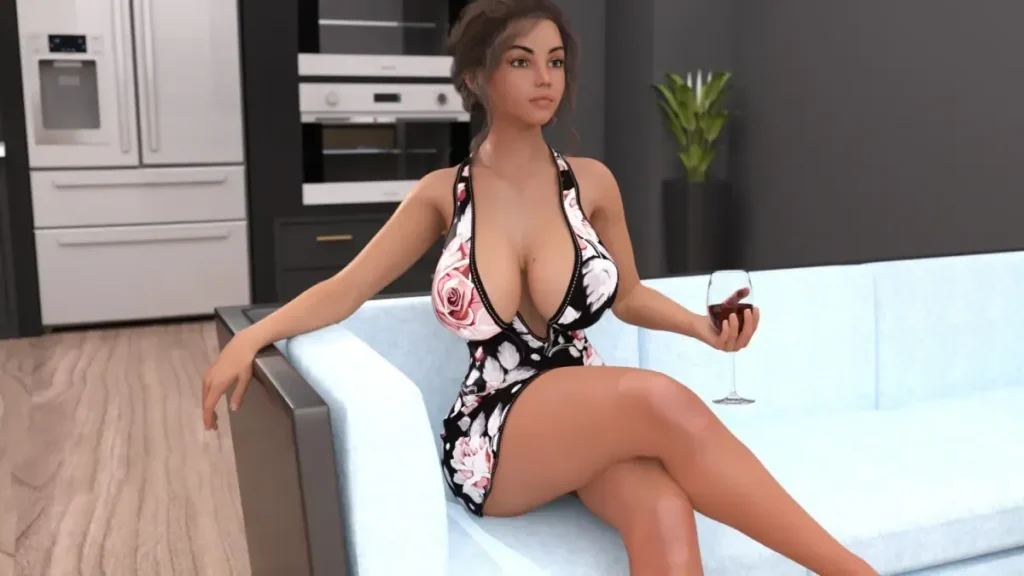
Unnatural Instinct review
Exploring the interactive fiction game’s bold storytelling, power dynamics, and player agency mechanics
Unnatural Instinct stands as a distinctive entry in the interactive fiction landscape, known for its unconventional narrative approach and psychologically complex gameplay. This game transcends typical storytelling by making players active participants in a ritualistic ceremony, where every puzzle solved and choice made carries psychological weight. The experience explores themes of power, consent, and identity through innovative mechanics that blur the line between player agency and narrative control. Understanding what makes Unnatural Instinct unique requires examining how its story, setting, and gameplay systems work together to create an unsettling yet compelling experience that challenges conventional gaming narratives.
The Core Narrative and Setting of Unnatural Instinct
Let’s be honest, most game stories feel like you’re just along for the ride. 🎢 You follow the plot from point A to B, maybe make a dialogue choice that changes a line or two, but the real meat of the story happens to you, not because of you. When I first booted up Unnatural Instinct, I expected another elegantly written but ultimately passive experience. What I got instead was a masterclass in a different kind of interactive fiction storytelling—one where my own curiosity and need to solve became the engine of a deeply unsettling tale.
This isn’t a story you watch unfold; it’s one you actively, knowingly, and uncomfortably complete. At its core, the Unnatural Instinct narrative structure is a brilliant, manipulative trap. You are not a hero on a quest. You are a willing, puzzle-solving participant in a grand, ominous ceremony. Every lock you pick, every cryptic verse you decipher, every hidden mechanism you activate isn’t for treasure or escape. It’s to advance a ritual whose final purpose hangs over you like a shadow. This chapter dives into the foundations of that experience: the driving force of the narrative, the hauntingly alive setting, and the chilling progression of the Unnatural Instinct ritual ceremony.
What Drives the Story Forward?
In most games, the core drive is external: save the princess, stop the villain, find the cure. Unnatural Instinct flips this entirely. The primary driving force is internal: it’s your own human compulsion to solve, to understand, and to see things through to the end. 🧩 The game presents you with a mysterious, opulent manor and a host—the enigmatic Heir—who invites you to a “private ceremony.” From that moment, the story’s forward momentum is directly tied to your engagement with the environment’s puzzles.
The Heir doesn’t give you a checklist. They provide ambiance, cryptic remarks, and a quiet, observing presence. The narrative unfolds not through cutscenes, but through environmental clues, fragmented documents, and the very architecture of the place. You piece together the history of the family, the nature of the ceremony, and your own potential role in it because you choose to engage. The genius here is that the game makes this engagement feel like a natural, intellectual pursuit, all while slowly revealing that each solved puzzle is a step toward an unknown, possibly dire, conclusion.
This creates a powerful and rare form of player agency. You have absolute freedom to explore and solve, but that freedom is the very mechanism of the narrative’s progression. You are not choosing between “good” and “evil” dialogue branches. You are making the fundamental choice to continue playing, to continue solving, and in doing so, you are consciously furthering the ritual. This psychological game narrative preys on the basic instincts of a player: we see a puzzle, we must solve it. The story leverages that instinct against us, making us complicit in our own journey toward the unknown.
This approach is a cornerstone of its unconventional game storytelling. There is no looming external threat chasing you. The tension comes from the creeping realization of what your actions are doing. The “plot” is the ritual, and you are both its audience and its architect.
| Traditional Interactive Fiction Storytelling | Unnatural Instinct Narrative Structure |
|---|---|
| Player choice drives branching dialogue and relationship outcomes. | Player action (puzzle-solving) drives the linear, inevitable progression of a central ceremony. |
| The environment is a stage for story events to occur upon. | The environment is an active, responsive participant in the story that changes based on player progress. |
| Goals are external and clearly defined (escape, find an item, rescue someone). | The goal is intrinsic and murky (understand the ceremony, see it through, satisfy your own curiosity). |
| Consequences are often moral or social (who lives, who likes you). | Consequences are psychological and existential (what have you become by participating?). |
| Puzzles are obstacles blocking the path to the next story beat. | Puzzles ARE the story beats; solving them is the narrative progression. |
How Does the Manor Function as a Character?
If the driving force is your curiosity, then the stage for this drama is anything but inert. The manor in Unnatural Instinct is a triumph of Unnatural Instinct setting design. It is not a backdrop; it is a living, breathing, and deeply reactive entity. From the moment you step inside, the house feels aware. 🏚️✨
Corridors seem to shift when you glance away. Portraits’ eyes might follow you, or their expressions might subtly change between visits. A room that was once a dusty library might feel warmer, more inviting, or conversely, more hostile after you’ve solved a puzzle related to it. The house reflects and amplifies your psychological state. Feeling anxious because the ritual’s purpose is still unclear? The lighting might grow dimmer, the sound of your footsteps more hollow. Make a breakthrough? A previously locked door might creak open on its own, as if the house is approving of, or encouraging, your progress.
This reactive quality transforms the setting from a location into a character—the most constant and manipulative one in the game. The Heir may guide you, but the house tests you. It presents the puzzles, hides the clues, and changes the mood. It’s both a prison and a partner in your exploration.
I remember a specific moment, deep into my playthrough. I had just solved a particularly abstract puzzle involving constellations in a planetarium room. As the mechanism clicked into place, the entire room didn’t just light up—the painted stars on the dome began to slowly rotate. A hidden panel in the floor slid open. The house wasn’t just rewarding me with access; it was performing for me, showing me its secrets because I had earned its, or the ritual’s, favor. It was beautiful and utterly chilling. It cemented the idea that the house itself was the conduit for the ceremony.
This level of environmental storytelling is what makes the game narrative analysis of Unnatural Instinct so rich. Every architectural detail, every piece of furniture, every strange artifact is a line of dialogue from the manor-character. The opulent decay tells a story of past grandeur and current unnatural preservation. The juxtaposition of classic baroque elements with bizarre, occult-like mechanisms speaks to the family’s blending of traditional wealth with their esoteric practices. You learn about the Heir, their ancestors, and the ceremony’s history not because someone tells you, but because the house shows you.
The Ritual: Purpose and Progression
This brings us to the beating, often unnerving, heart of the experience: the Unnatural Instinct ritual ceremony itself. Unlike games where you stumble upon a cult’s plans and work to stop them, here you are the star participant. The entire game is the ritual. Its purpose is deliberately obscured, revealed in fragments through symbolic art, half-burned journals, and the very nature of the puzzles you solve.
The progression system is elegantly sinister. There is no experience bar, no skill tree. Your “progress” is measured by the ceremony’s advancement. Each major puzzle you solve doesn’t grant you a key to leave—it often opens a path deeper into the manor’s heart or unlocks a new, more complex phase of the ritual. You might restore a strange family portrait, only to have the figure within it appear elsewhere in the house. You might align mysterious crystals in a observatory, and hear a distant chime echo through the halls, signaling a change.
This forces a constant, gnawing psychological interrogation. 🤔 With every success, you must ask yourself: Why am I still doing this? What do I think is at the end? Am I being used, or am I, in some way, fulfilling a desire I don’t even understand? The game brilliantly ties the mechanical act of playing (solving puzzles) to the narrative theme of complicity. You are not a pawn; you are a willing acolyte, driven by a need to see the beautiful, strange, and terrifying spectacle to its conclusion.
The culmination is therefore inevitable, not because the game lacks choices, but because the very design of the interactive fiction storytelling has made your participation the central choice from the beginning. The ritual’s end is the game’s end, and reaching it is a moment of profound ambiguity. There is no simple “good” or “bad” ending based on a last-minute decision. The ending you experience is the logical, emotional conclusion of the path you walked—the path you built with every puzzle solved. It forces you to reflect not on what your character did, but on what you did, and why you kept going.
This is what sets Unnatural Instinct apart in the landscape of unconventional game storytelling. It rejects the power fantasy. Instead, it offers a narrative power dynamic where you have all the control and yet feel increasingly powerless against the tide of your own actions. The manor breathes around you, the ritual progresses because of you, and the story is the haunting record of that collaboration. It’s a bold, unsettling, and utterly memorable way to craft a world, proving that the most powerful stories aren’t just told to the player—they are performed by the player, with every step they choose to take deeper into the mystery. 🕯️
Unnatural Instinct represents a bold departure from conventional interactive fiction by weaponizing its narrative structure to explore themes of power, consent, and identity. The game’s genius lies not in what it tells players, but in what it makes them experience through gameplay. By positioning players as participants in a ritual they cannot escape, the game creates a uniquely unsettling experience where every puzzle solved and every choice made carries psychological weight. The manor’s shifting environment, the Heir’s manipulative authority, and the blurred lines between player agency and narrative control combine to create an experience that challenges how we think about storytelling in games. For those interested in narrative innovation and psychological game design, Unnatural Instinct offers valuable lessons in how interactive fiction can transcend traditional storytelling to create genuinely thought-provoking experiences.