
Where the Heart Is
Play Where the Heart Is
Where the Heart Is Screenshots

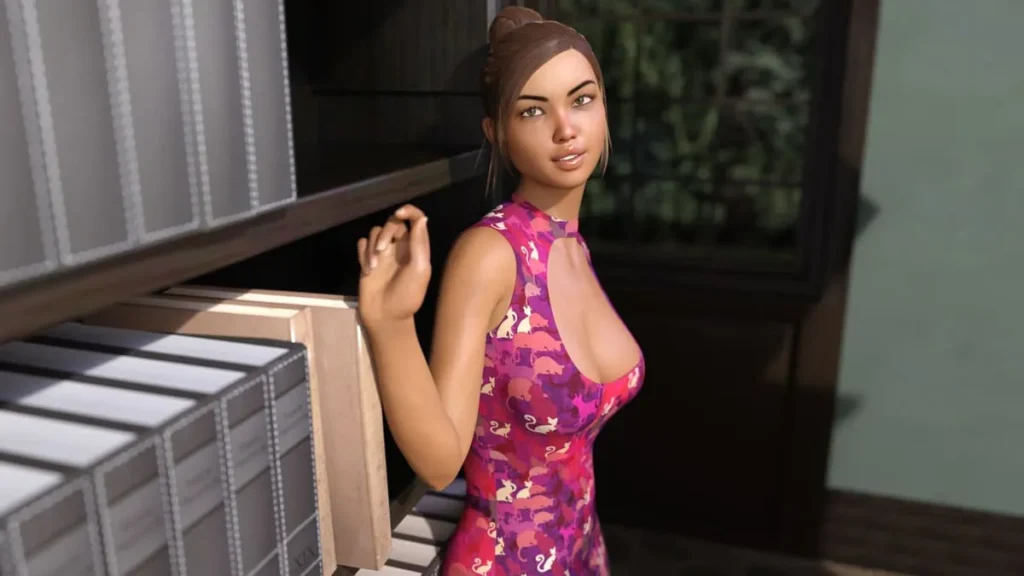


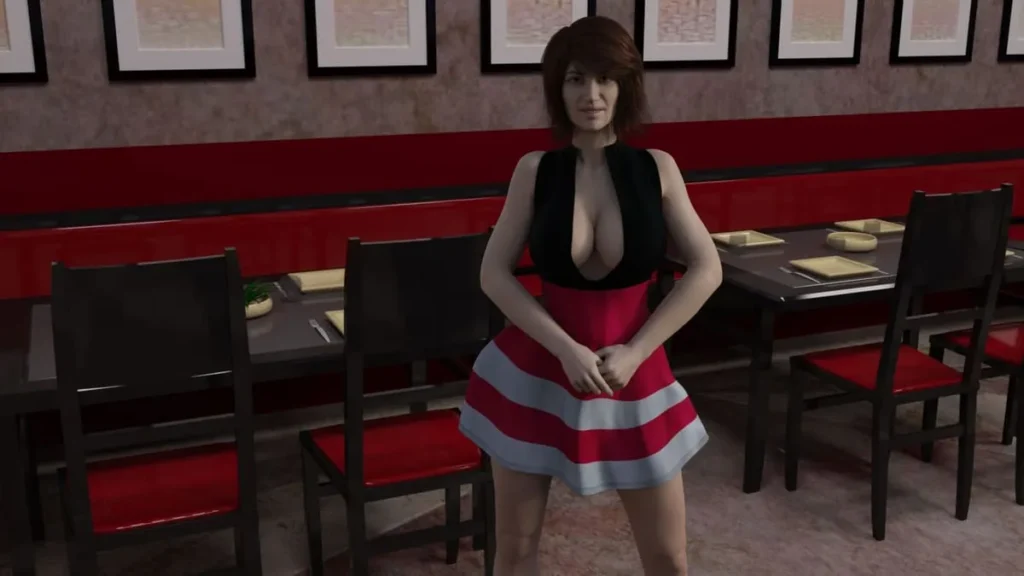
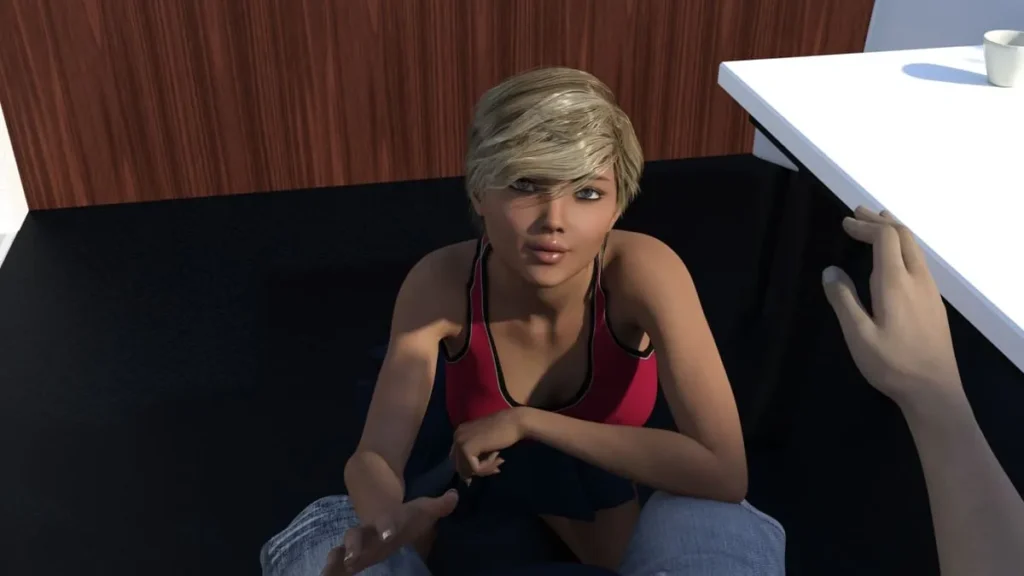








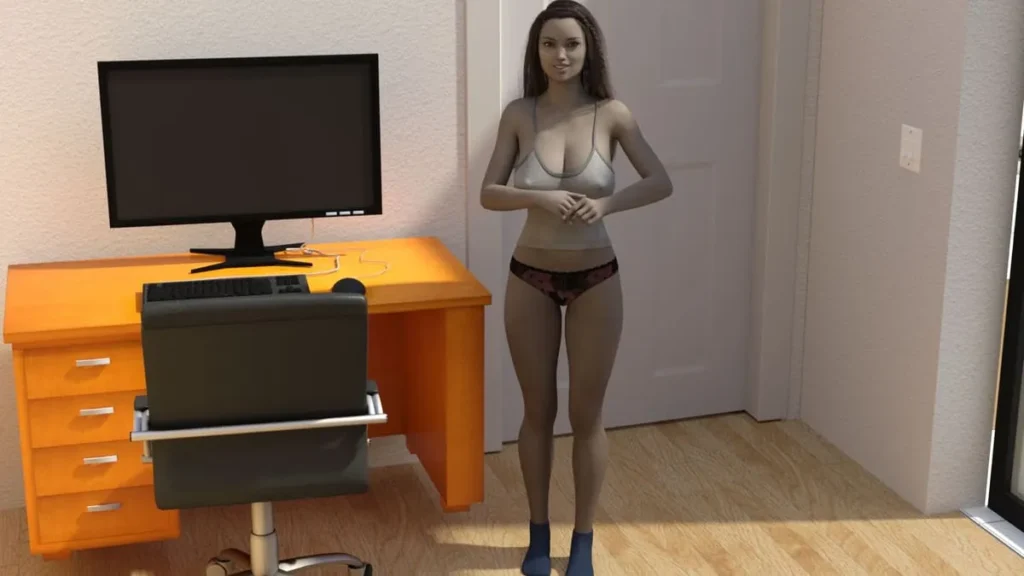










Where the Heart Is review
Explore storylines, characters, and gameplay mechanics in this adult visual novel
Where the Heart Is stands out as a narrative-driven adult visual novel developed using the Ren’Py engine with full HD graphics. This first-person perspective adventure invites players to navigate complex relationships and meaningful choices within a richly detailed world. Whether you’re interested in understanding the game’s mechanics, exploring character dynamics, or learning what makes this title unique in the visual novel genre, this guide covers everything you need to know about the experience, from initial setup to relationship outcomes.
Understanding Where the Heart Is: Game Overview and Core Mechanics
So, you’ve heard the buzz about Where the Heart Is visual novel and you’re curious to dive in? 🎮 Perfect. Let’s pull back the curtain on this incredibly detailed world. Forget everything you think you know about simple dating sims—this is a massive, choice-driven narrative experience where your decisions don’t just nudge the story; they completely rewrite it. It’s a game that lives and breathes on its interactive fiction choices matter philosophy.
I remember my first playthrough vividly. I thought I was just making polite conversation, but a seemingly innocent choice about what to drink at a party completely altered how two key characters perceived me for the next several in-game weeks. That’s the magic and the depth we’re dealing with here. This chapter is your foundational guide to understanding how this beautiful, complex machine works under the hood.
What Is Where the Heart Is and How Does It Work?
At its core, Where the Heart Is is an epic, adult-oriented story told through the lens of a first-person POV adult game. You step into the shoes of a young man returning to his hometown after years away, only to find it—and the people in it—vastly changed. The core loop is deceptively simple: read narrative text, view beautiful character art and backgrounds, and make decisions at critical junctures. But the web those decisions weave is astonishingly complex.
The game functions as a life simulator. Your time is divided into days, and you have a degree of freedom to choose where to go, who to talk to, and how to spend your energy. Want to focus on rebuilding a relationship with a childhood friend? You can. Prefer to explore a new, fiery connection with a mysterious newcomer? Go for it. The game’s structure supports pursuing multiple storylines simultaneously, but be warned: characters have their own lives, memories, and personalities. They will react not only to what you say to them, but also to what they hear about you from others. 🏡
This isn’t a passive experience. You are the author of your own story within the game’s vast framework. Every interaction is a building block, shaping your reputation, your relationships, and ultimately, your destiny in this town.
Game Engine, Graphics, and Technical Features
Let’s talk tech, because it’s the canvas for this story. Where the Heart Is is built on the Ren’Py visual novel engine, a powerhouse in the genre. The Ren’Py adult game mechanics here are pushed to their limits, handling a staggering amount of variables, character states, and branching code that would make most other games buckle.
The visual presentation is a major highlight. The game features full HD (1920×1080) hand-drawn artwork. Character sprites are expressive and detailed, with a variety of outfits and emotional states that bring the cast to life. The backgrounds are lush and immersive, making the town feel like a real place you could visit. From sunny parks to cozy living rooms and bustling downtown areas, the art does a phenomenal job setting the mood.
From a technical standpoint, the game is remarkably stable given its scope. The menu system is clean, allowing you to save virtually anywhere—a crucial feature for a branching narrative adult game. The most important technical feature, however, is the integrated reload mechanic. Since choices are permanent and auto-save is constant, the game encourages you to create manual saves before big decisions. This isn’t “cheating”; it’s an acknowledged part of the experience. The developers know you’ll want to go back and see what happens if you said “yes” instead of “no,” and they’ve made that exploration seamless. It’s the ultimate tool for experiencing the choice-based visual novel gameplay to its fullest.
| Gameplay Feature | How It Works in *Where the Heart Is* | Impact on Story |
|---|---|---|
| Conversation Choices | Dialogue options appear during talks. Choices range from flirty, friendly, aggressive, to silent. Some are timed. | Directly affects a character’s immediate reaction, their long-term affinity for you, and can unlock or lock future scenes. |
| Action-Based Decisions | Choosing where to go, who to help, or how to spend your money and energy each day. | Determines which storylines you advance, which characters you encounter, and can trigger unique, location-specific events. |
| Relationship Point System | A hidden “affinity” score is tracked for each character, influenced by every interaction. | Crossing certain thresholds opens new dialogue branches, romantic opportunities, and character-specific story arcs. |
| Character Memory & Gossip | Characters remember your major choices and may discuss them with others, affecting unrelated relationships. | Creates a dynamic, interconnected world. Your reputation precedes you, for better or worse. |
Choice-Driven Gameplay: Conversation and Action Systems
This is the beating heart of the experience. The choice-based visual novel gameplay in Where the Heart Is is a masterclass in player agency. It operates on two main levels: the micro (conversations) and the macro (daily actions).
The Conversation System: Every significant chat presents you with options. These aren’t just “Good / Neutral / Bad” responses. They are nuanced, reflecting different aspects of your personality you can choose to project. Are you the charming smooth-talker, the sincere old friend, the ambitious hustler, or the quiet observer? You can mix and match, but characters will notice inconsistencies. 🗣️
Pro Tip: Sometimes, saying nothing (choosing the “…” option) is the most powerful choice of all. It can build tension, show discomfort, or allow another character to reveal more than they intended.
I learned this the hard way with one character, Eve. I kept trying to fill every silence with jokes or compliments, thinking I was being engaging. Instead, I came across as insecure and nervous. On a replay, I used more silent and thoughtful options. She began to open up, sharing vulnerabilities she never showed my chatty previous self. The game’s dialogue system rewards emotional intelligence, not just picking the “right” answer.
The Action System: This is where the first-person POV adult game perspective truly shines. Each day, you decide how to live. Will you go to the gym? Visit the bookstore? Take a shift at the local bar? Your choices determine who you meet and what opportunities arise. Choosing to work late might earn you extra money for important gifts or dates later, but it means missing a chance encounter with someone at the park. The game forces you to prioritize, making your story uniquely yours.
This all feeds into the glorious branching narrative adult game structure. We’re not talking about a few different endings here. We’re talking about radically different middle acts. Pursuing a “slow-burn” path with one character results in a completely different sequence of events, locations, and story beats than diving into a “quick affair” with another. Some characters won’t even give you the time of day if your reputation (shaped by your actions) doesn’t align with their values.
The relationship system visual novel fans dream of is here. Romance is a central pillar, but it’s nuanced. Seduction is possible, but so is genuine connection. More powerfully, so is rejection—both you rejecting others and them rejecting you based on your choices. The system tracks not just “love points,” but compatibility, history, and circumstance.
- Save often and strategically before major decisions! 📁
- There is no “perfect” playthrough. Embrace the consequences of your interactive fiction choices matter mindset.
- Pay attention to character preferences and personality traits. A gift one loves, another might hate.
- Use the “Skip Unread Text” feature on replays to efficiently explore new branching narrative adult game paths.
Ultimately, understanding Where the Heart Is is about understanding that you are in control of a living, breathing story. The Ren’Py adult game mechanics provide the robust framework, but your curiosity and choices provide the soul. It’s a game about paths taken and not taken, about the delicate web of human connection, and about defining for yourself where your heart truly lies. Now that you know how it works, you’re ready to start building your own unique story in its captivating world.
Where the Heart Is delivers a compelling adult visual novel experience that prioritizes player agency and meaningful storytelling. Through its choice-driven mechanics, diverse character roster, and branching narrative paths, the game offers substantial replay value and emotional investment. The combination of conversation-based and action-based choices creates a dynamic system where player decisions genuinely shape relationship outcomes and story progression. Whether you’re drawn to slow-burn romances, passionate affairs, or exploring the consequences of rejection, the game accommodates varied playstyles and preferences. The technical execution through Ren’Py and full HD graphics provides an immersive presentation that enhances the narrative experience. For players seeking an interactive fiction experience where choices matter and character relationships feel earned through strategic decision-making, Where the Heart Is stands as a notable entry in the adult visual novel genre.