Hero Party Must Fall
Play Hero Party Must Fall
Hero Party Must Fall Screenshots
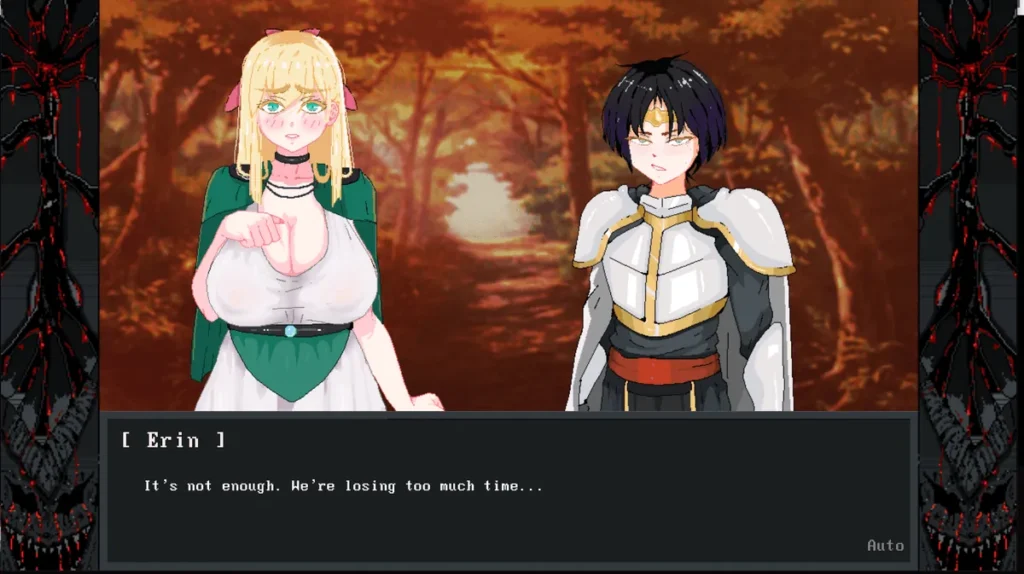
Hero Party Must Fall review
Master the strategy of sabotaging your allies in this unique indie RPG experience
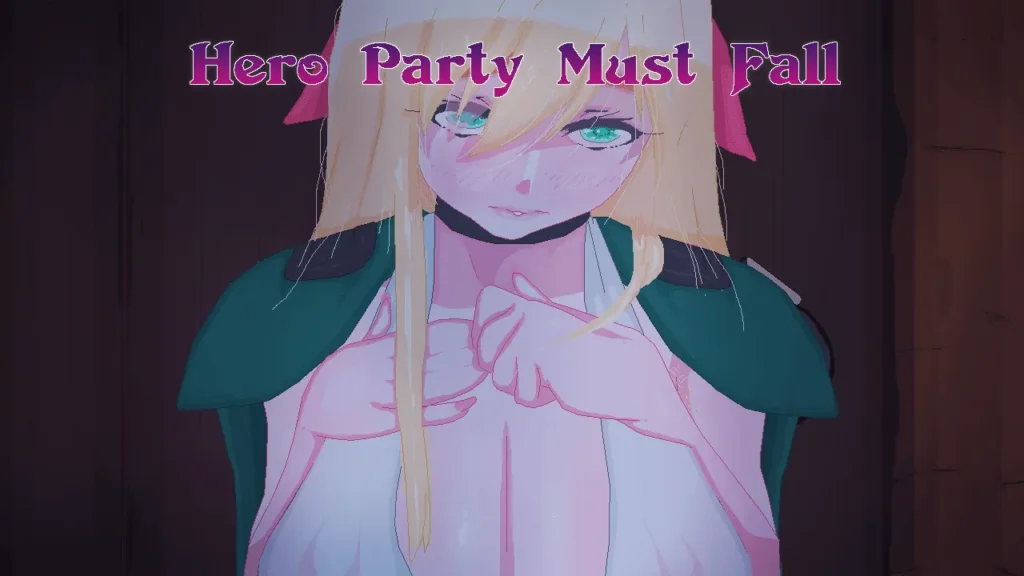
Hero Party Must Fall stands out as a distinctive indie RPG that flips traditional fantasy narratives on their head. Instead of playing as a heroic adventurer, you assume the role of a spy infiltrating the hero’s party with a mission to destroy them from within. This game combines strategic decision-making, character corruption mechanics, and intricate storytelling to create an experience that challenges conventional gaming expectations. Whether you’re interested in unique narrative structures, complex character development, or strategic gameplay, this guide explores what makes Hero Party Must Fall a compelling choice for players seeking something different.
Understanding Hero Party Must Fall: Core Gameplay & Mechanics
Forget everything you think you know about saving the world. 😈 In most role-playing games, you’re the shining beacon of hope, leading a band of heroes to glorious victory. Hero Party Must Fall takes that classic fantasy script, douses it in dark magic, and sets it on fire. 🧯 This isn’t a story about building a legendary team; it’s a masterclass in tearing one apart from the inside.
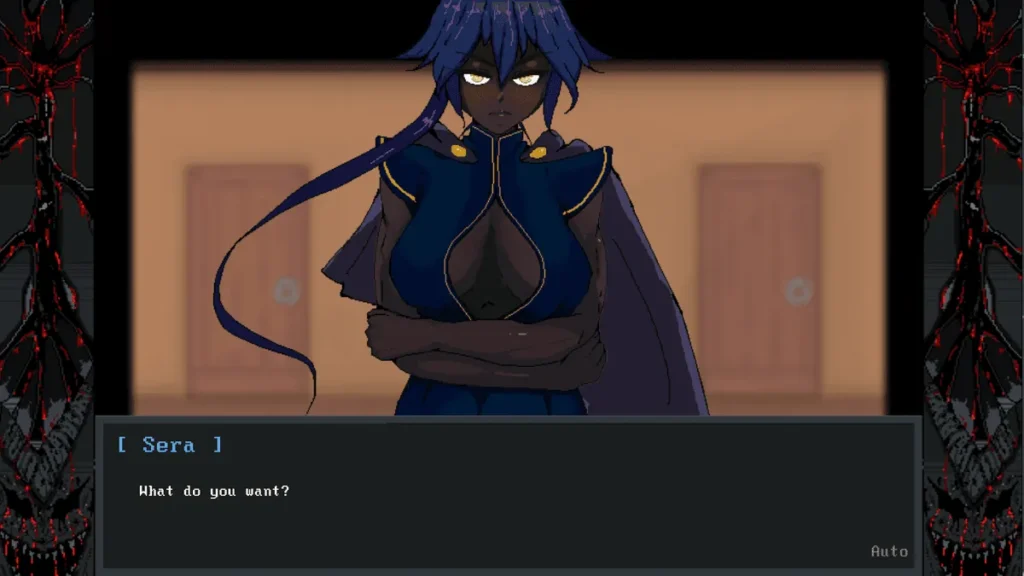
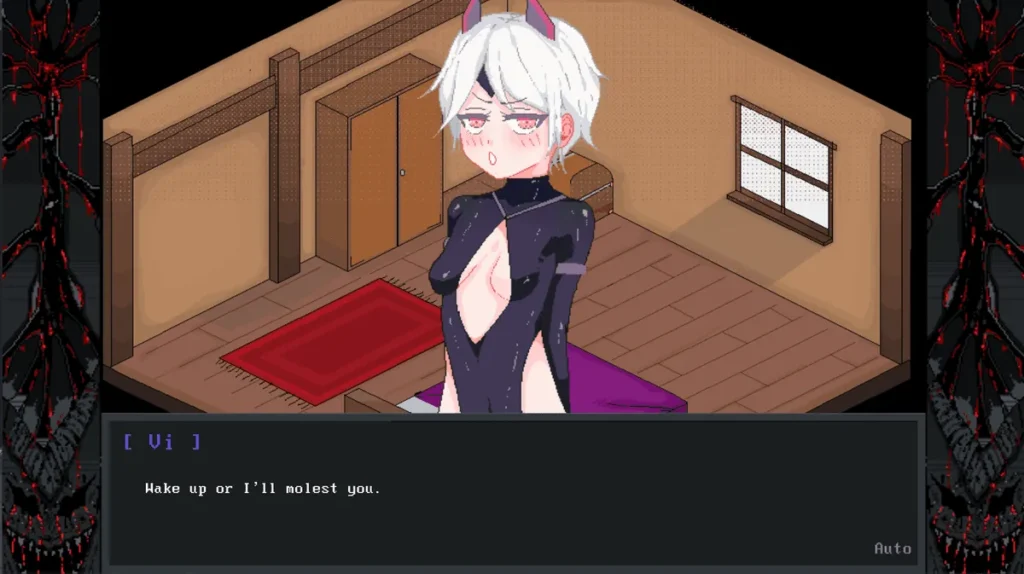
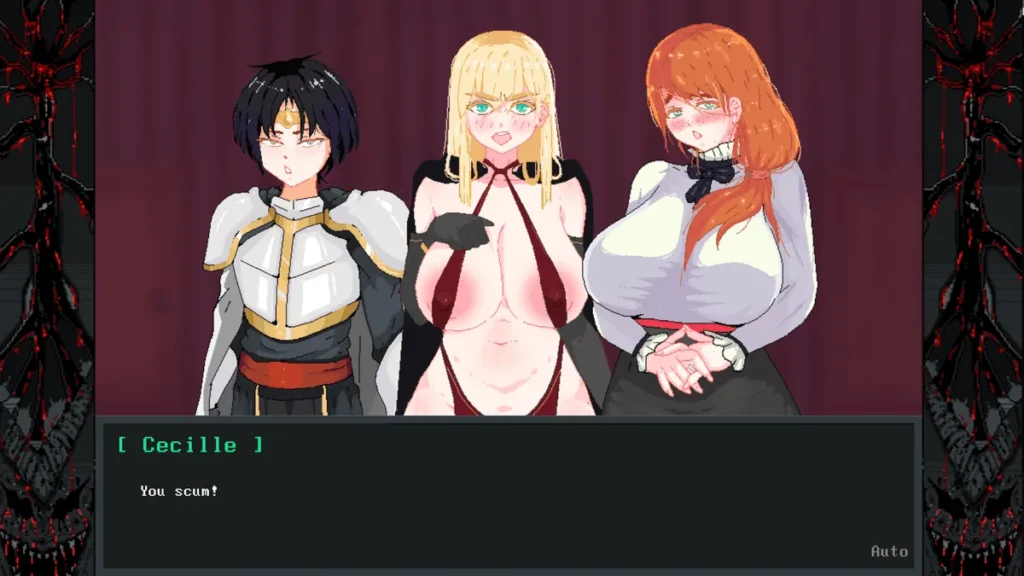
Your mission is simple, deliciously devious, and forms the entire core of the Hero Party Must Fall gameplay: you are a deep-cover agent for the Demon King, planted within the legendary hero’s party. Your goal isn’t to win battles, but to strategically lose the war for the forces of good. This spy infiltration RPG mechanics premise completely inverts the genre, making every friendly smile a potential gambit and every quest a chance for calculated failure.
What Makes This Game Unique: The Spy Infiltration Premise
The genius of Hero Party Must Fall lies in its perspective shift. You’re not fighting monsters; you’re managing assets, eroding trust, and engineering disasters while wearing a hero’s badge. 🎭 I remember my first playthrough, nervously voting for a “safer” route that conveniently led us into an ambush. The party’s frustration was my victory. This constant duality—acting as a supporter while being a saboteur—creates a tension you just don’t get in other RPGs.
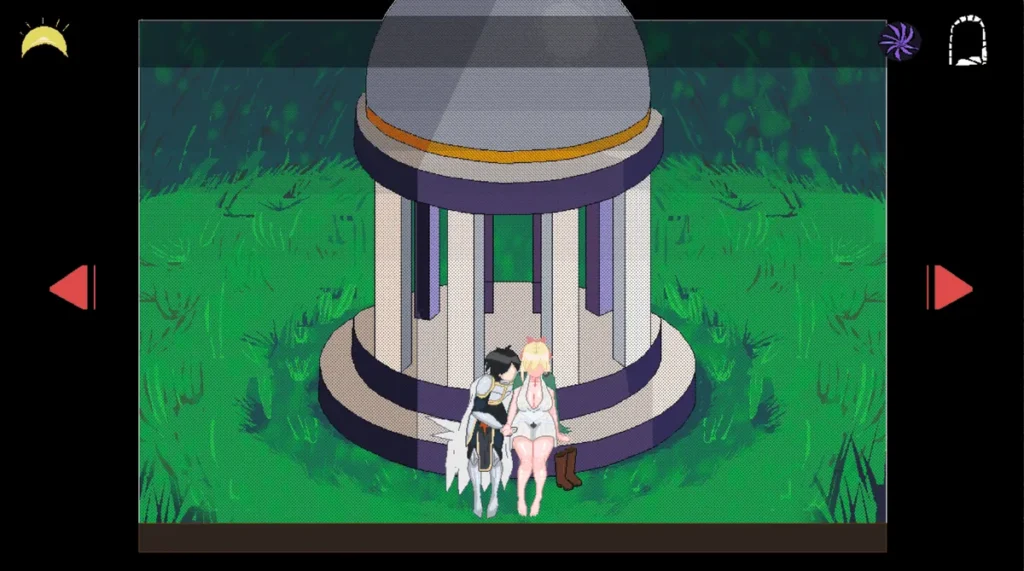
The entire game is built on this foundation of deception. You’ll navigate a point-and-click interface through the party’s hub, engage in turn-based expeditions, and make choices that seem benign but have catastrophic consequences. It’s a slow-burn strategy game where your intellect, not your sword arm, is your primary weapon.
To really drive home how different this experience is, let’s look at how it flips the standard RPG playbook on its head:
| Traditional RPG Mechanics | Hero Party Must Fall Mechanics |
|---|---|
| Build party trust and cohesion. | Systematically sabotage relationships and sow discord. |
| Complete quests successfully for rewards. | Engineer “smart failures” to drain resources and morale. |
| Develop character stats for combat prowess. | Develop manipulation skills to influence party decisions. |
| Equip the best gear to overcome challenges. | Mislead allies with suboptimal gear or “lose” key items. |
| Follow a clear moral path of “good.” | Navigate a personal journey of moral degradation gameplay. |
This table isn’t just a list of differences; it’s your new playbook. Winning means the heroes lose, and that requires a completely different mindset. Every system, from chatting in the tavern to planning a dungeon delve, is a layer in your strategic sabotage guide.
Strategic Sabotage: How to Undermine Your Party
So, how do you actually sabotage the hero party without getting caught and executed? 🕵️♂️ This isn’t about overt betrayal—it’s about subtle, plausible manipulation. The party manipulation mechanics are woven into every interaction. You’ll vote on expedition plans, influence resource allocation, and give “friendly” advice that leads to disaster.
The key is to think long-term. A single failed mission is a setback; a pattern of distrust, depleted funds, and broken equipment is a victory. Here’s a practical, step-by-step look at core sabotage strategies:
-
Control the Narrative During Planning: Before every expedition, the party holds a council. This is your primary tool. Always advocate for the path that sounds reasonable but is secretly harder or traps-laden. Recommend resting at the worst possible time, or suggest splitting the party (“to cover more ground”) to make them vulnerable.
-
Manage Resources into the Ground: You have access to the shared stash and the equipment shop. Your job is to deplete both. Advocate for purchasing expensive, flashy gear that’s poorly suited for the upcoming challenges. “Lose” key healing items during missions by secretly using them when barely injured. Crafting isn’t for empowering the party; it’s for wasting rare materials on useless trinkets.
-
Master the “Good” Failure: Sometimes, you must let a mission succeed to maintain cover. The real art is in engineering costly victories. Lead the party to win a battle, but ensure it burns through all their mana potions or breaks the tank’s shield in the process. A win that leaves them weaker for the next fight is better than a straightforward loss.
-
Weaponize Relationships: This is where the game shines. In a classic RPG, you’d do side-quests to strengthen bonds. Here, you perform actions that create friction between others. Side with the arrogant knight in an argument to make the idealistic healer resent him. Promise the rogue a bigger share of loot and then “accidentally” let the paladin find out. You’re not just breaking their morale; you’re breaking their ability to work as a unit.
-
Exploit the After-Action Report: When a mission goes south, you’ll discuss why. This is a golden opportunity for strategic sabotage. Blame failures on external factors or, better yet, subtly pin them on a party member you’re trying to isolate. “If only someone had checked for traps…” or “We were counting on that healing spell…” can plant seeds of doubt that grow into full-blown arguments later.
Remember, your actions are always under a veil of plausible deniability. The goal is to make the party’s collapse look like a series of unfortunate accidents and poor teamwork, not obvious treason. This layered, systemic approach to how to sabotage hero party dynamics is what makes the gameplay so deeply engaging.
Character Corruption System: Breaking Down Moral Barriers
While you’re breaking the party, the game is also breaking you. 🫠 The character corruption system is a brilliant parallel to your external sabotage. You don’t start as a mustache-twirling villain; you start as a nervous infiltrator. Your first deliberate act of sabotage might make your stomach churn. But with each successful scheme, your character’s moral compass shifts.
This isn’t a simple “good/evil” slider. It’s a slow, methodical process of moral degradation gameplay. Your dialogue options change, becoming more cynical and manipulative. You gain access to new, darker skills for your spy infiltration RPG mechanics, like “Poisoned Words” to make arguments more vicious or “Foul Play” to directly rig dice rolls during expeditions. I found myself initially reluctant to frame the kindly healer for a mistake, but after a dozen hours of gradual moral degradation, I was actively setting her up without a second thought. The game makes you complicit in your own transformation.
The system is deeply tied to the party manipulation mechanics. Corrupting yourself gives you better tools to corrupt others. As your own moral barriers fall, you can begin to directly target party members’ resolve. You’ll see new interaction options appear—whispers of doubt, offers of cynical “realism,” suggestions that maybe the “greater good” justifies selfish acts. Turning the pure-hearted paladin into a doubter, or the honorable warrior into a mercenary, is a victory as sweet as any battlefield triumph.
This character corruption system is reflected in everything:
* Visuals: Your character’s portrait may subtly darken, with sharper features and colder eyes.
* Dialogue: Options shift from hesitant suggestions to confident, manipulative commands.
* Mechanics: Unlock abilities that directly enhance your sabotage, like causing more “friendly fire” in combat or making traps deadlier for your allies.
* Endings: The state of your corruption and the party’s ruin determines your fate. Will you be the Demon King’s most prized agent, or a broken tool discarded after use?
Ultimately, mastering Hero Party Must Fall gameplay is about embracing this dual decay. You are the catalyst, both for the party’s destruction and for your own descent. It’s a challenging, thoughtful, and utterly unique experience that rewards patience, cunning, and a willingness to explore the darker side of strategy. Forget about being the hero. In this world, it’s far more satisfying to be the reason they fall. 👑⚔️
Hero Party Must Fall represents a bold departure from conventional RPG storytelling, offering players a chance to experience narrative from the antagonist’s perspective. The game’s strength lies in its patient, methodical approach to character corruption and its well-written cast that develops naturally throughout the experience. Success in this game requires strategic thinking, careful relationship management, and a willingness to engage with morally complex scenarios. Whether you’re drawn to unique indie games, complex character narratives, or strategic gameplay that rewards careful planning, Hero Party Must Fall delivers a memorable experience that challenges gaming conventions. The combination of compelling writing, beautiful hand-drawn art, and innovative mechanics makes it worth exploring for players seeking something genuinely different in the RPG landscape.