Hot Sand of Antarctica
Play Hot Sand of Antarctica
Hot Sand of Antarctica Screenshots


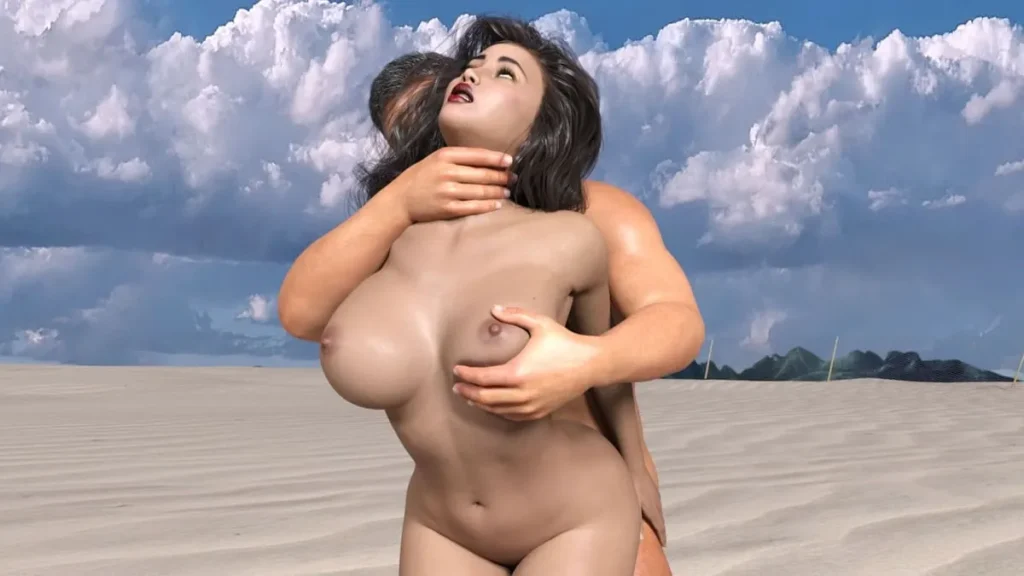

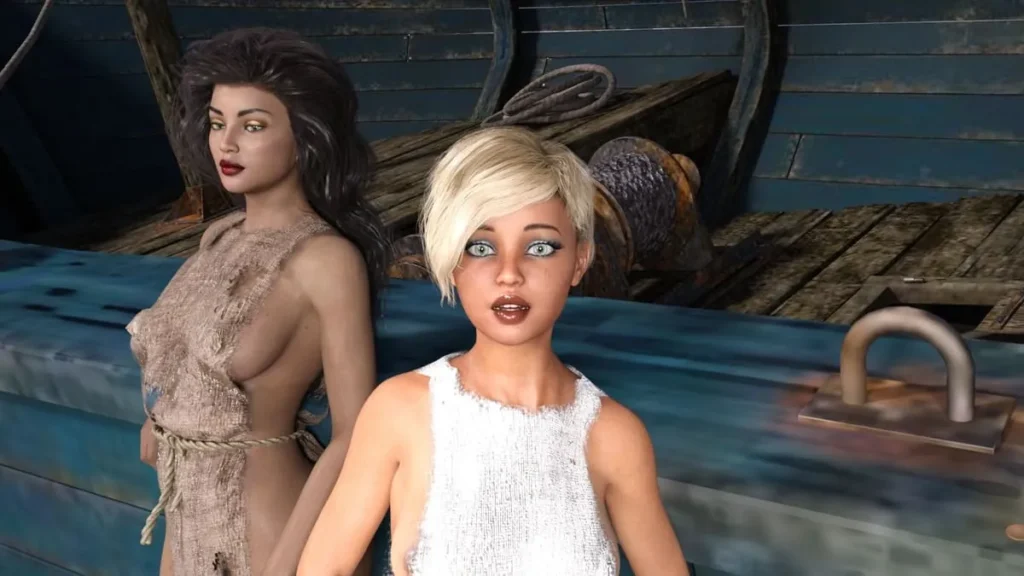
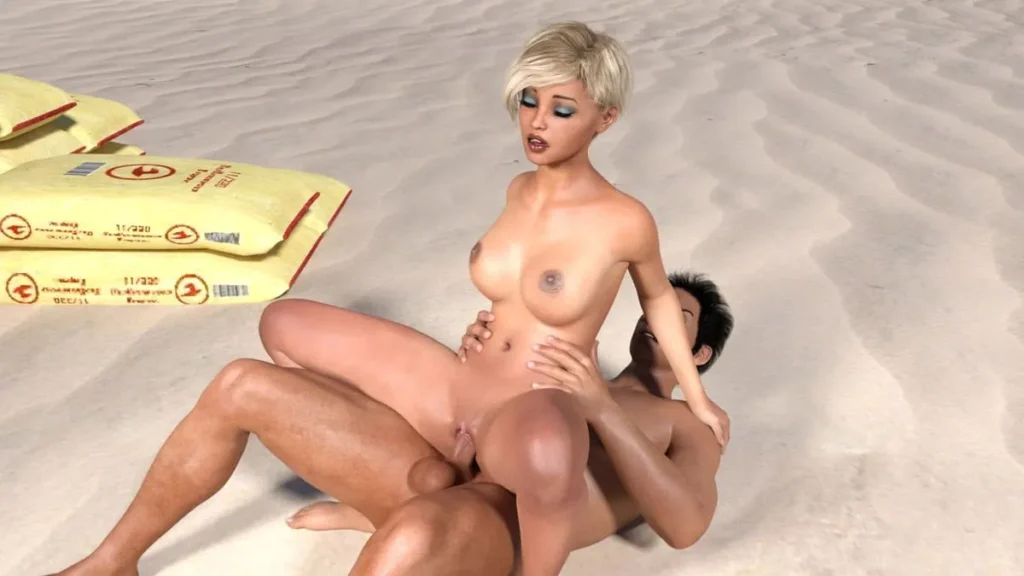
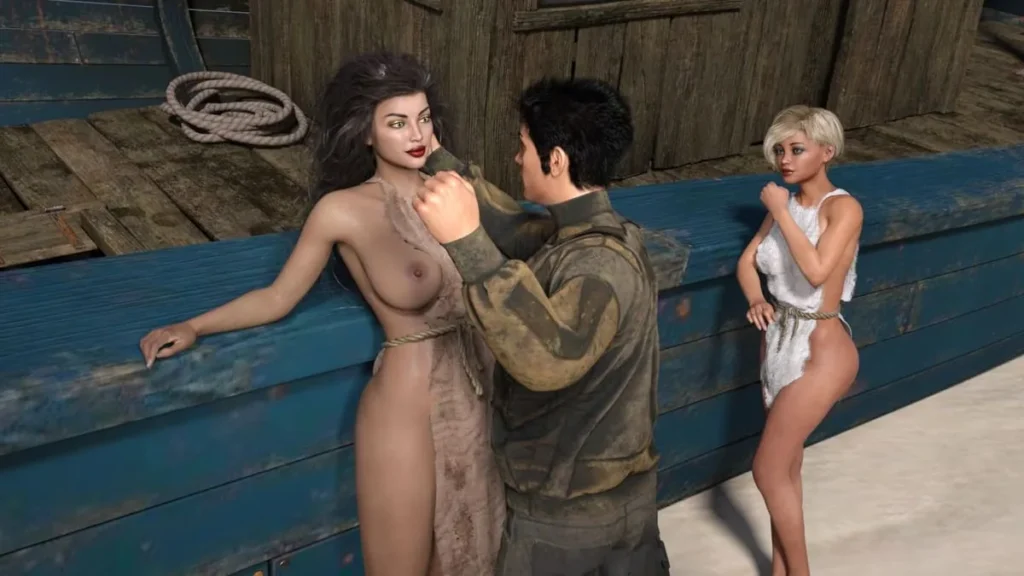
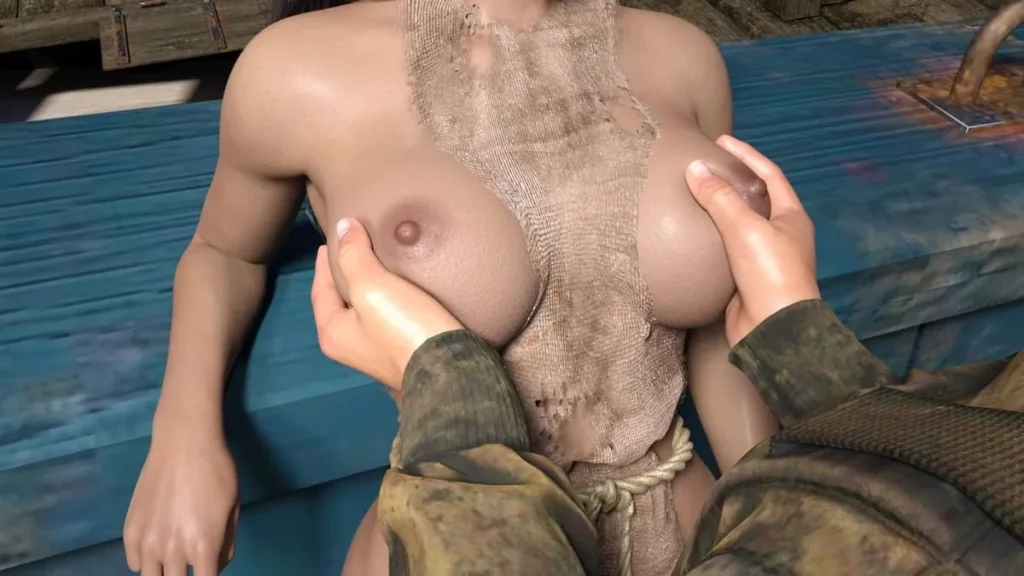
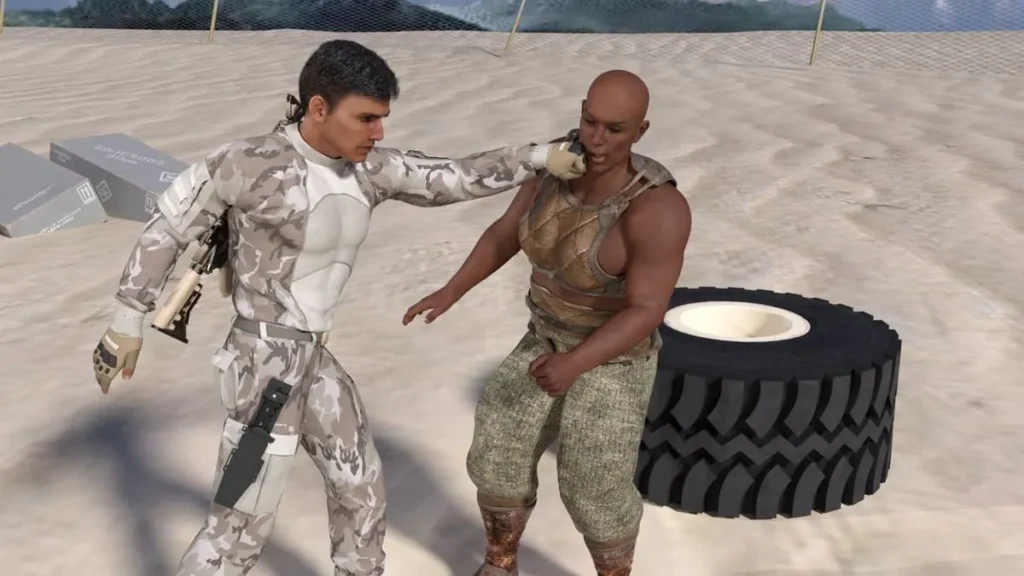

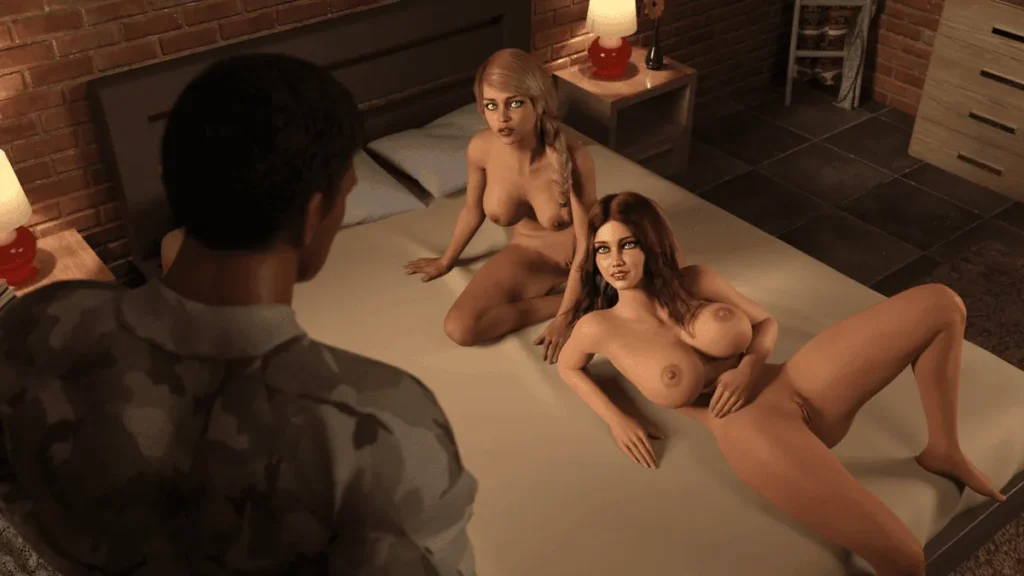

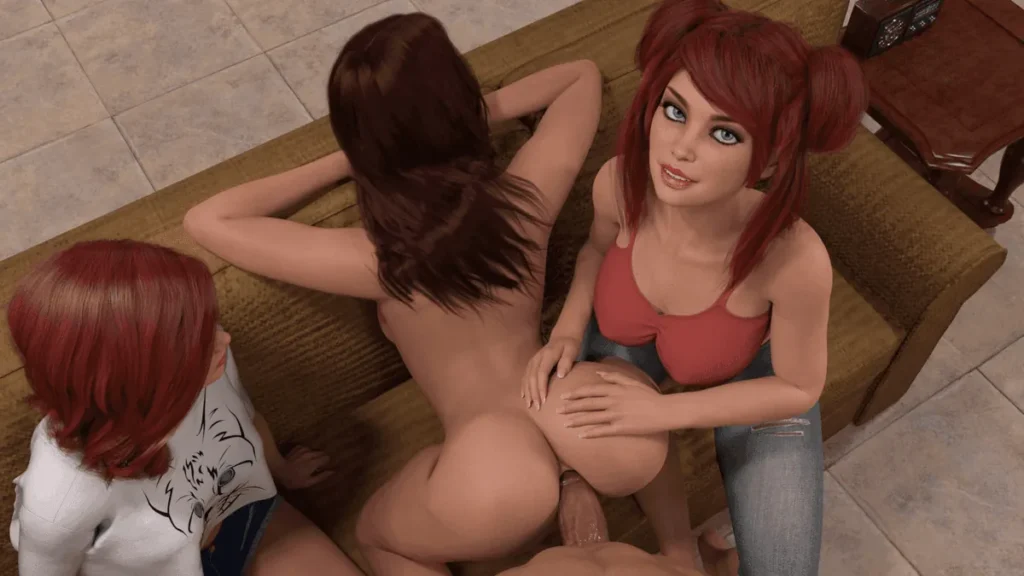
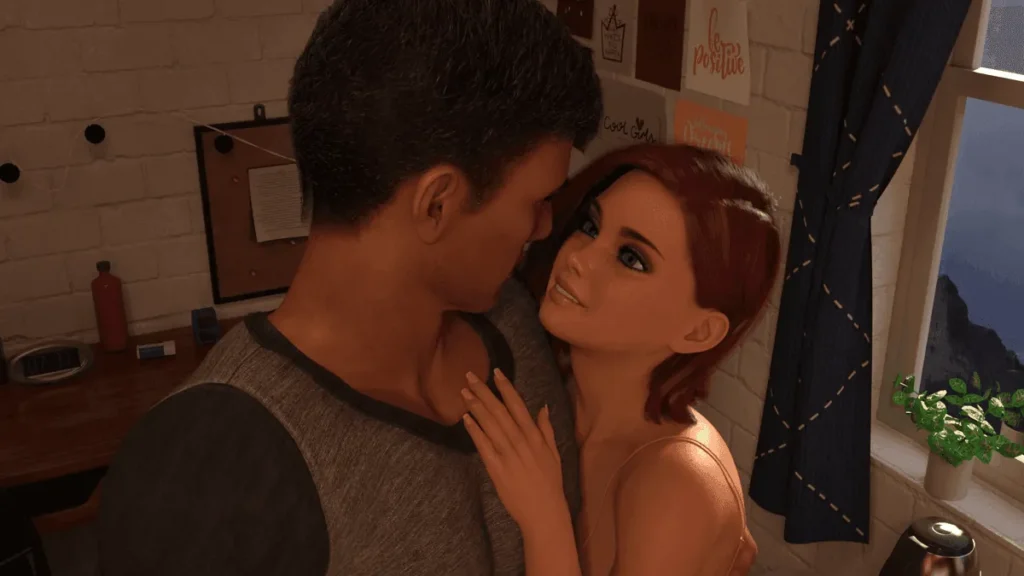


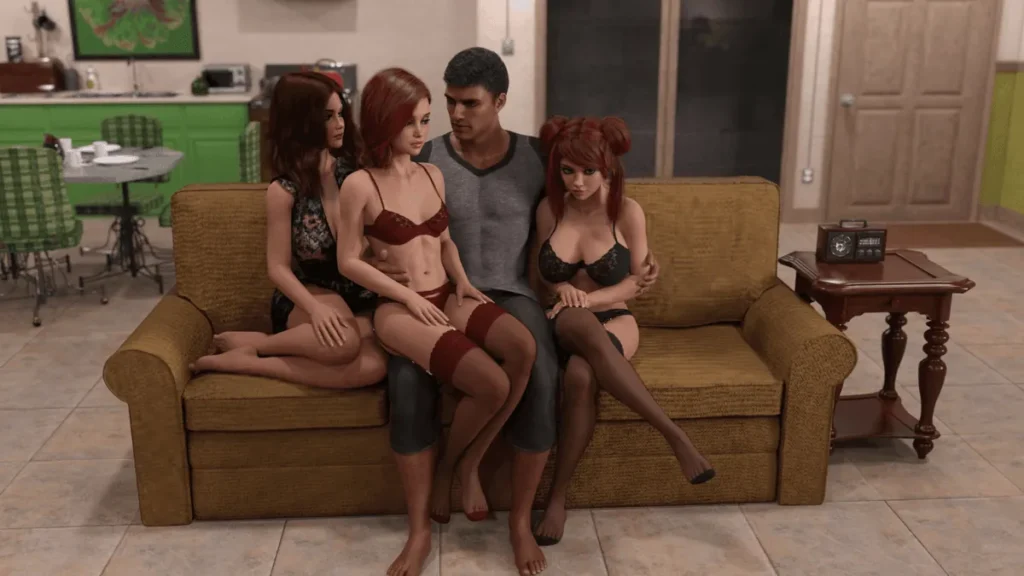

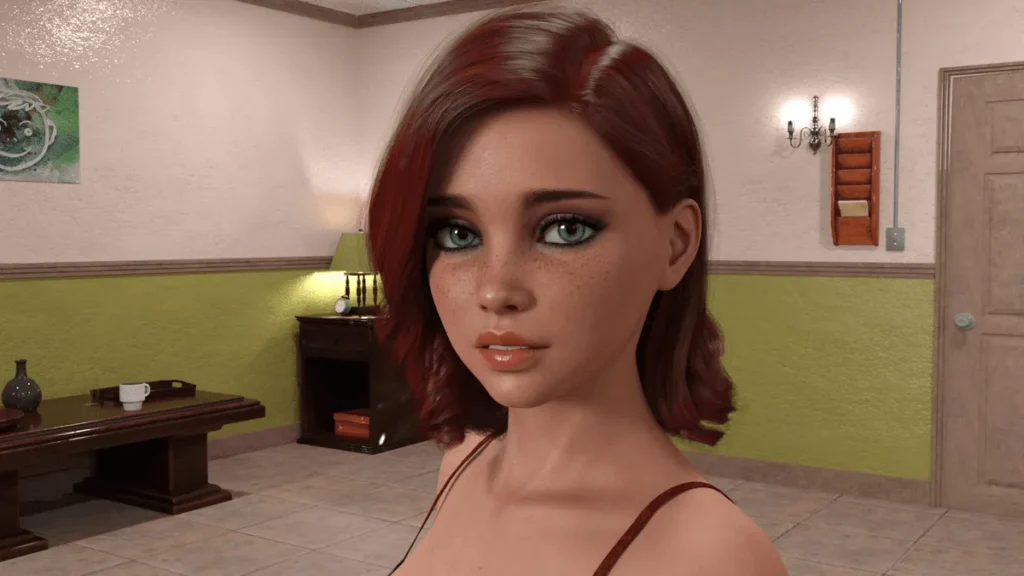

Hot Sand of Antarctica review
Explore story, mechanics, and experience in Hot Sand of Antarctica
Hot Sand of Antarctica is one of those niche titles that quietly builds a devoted following. The first time I heard about Hot Sand of Antarctica, it was from a friend who couldn’t stop talking about its strange mix of icy isolation, surreal storytelling, and grown-up themes. If you’ve stumbled onto the name and are wondering what this game actually feels like to play, this guide will walk you through its core experience, from the narrative and characters to the gameplay systems and overall atmosphere. My goal is to help you decide if Hot Sand of Antarctica fits the kind of mature, narrative-driven games you enjoy.
What Is Hot Sand of Antarctica All About?
So, you’ve heard the name and you’re wondering: what on Earth (or rather, Antarctica) is this game all about? 🧐 If you’re picturing penguins sliding on tropical beaches, let’s recalibrate! Hot Sand of Antarctica is a captivating, adult narrative game Antarctica setting that masterfully blends a stark, frozen setting with the simmering heat of human connection. At its heart, the Hot Sand of Antarctica game is a mature, choice-driven experience where every decision you make shapes fragile relationships in a place where the sun doesn’t set for months and the outside world feels like a distant dream.
It’s a game for those who love to get lost in a story-rich world, where character depth is more important than quick reflexes. Think of it less as a traditional “game” and more as an interactive, emotional journey you steer. The title itself is your first clue to the game’s soul—a beautiful contradiction that hints at the core experience. Here, the “hot sand” isn’t a literal place, but a feeling, a memory, or a desire that burns brightly against the endless white and blue. If you’re curious about a mature visual novel style game that prioritizes psychological tension and intimate storytelling, you’re in the right place. Let’s dive into the ice and discover what makes this title so uniquely compelling.
Story and Setting of Hot Sand of Antarctica
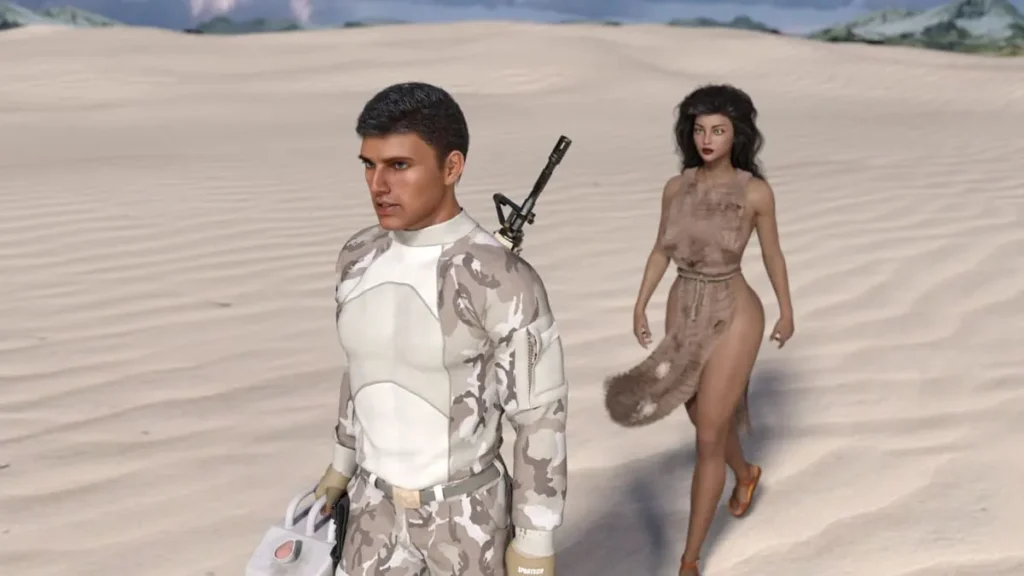
Imagine the most remote place you can think of. Now, go further. You arrive at The Aurora Sentinel, a small, chronically underfunded research outpost clinging to the rocky coast of the Antarctic continent. This is the Hot Sand of Antarctica setting. The world beyond the compound is a breathtaking, lethal expanse of glaciers, howling winds, and months of perpetual twilight or midnight sun. Satellite communication is spotty, supply drops are rare, and you are utterly cut off. 🏔️ ❄️
This isolation isn’t just a backdrop; it’s the main character of the Hot Sand of Antarctica story. The cramped corridors, the constant hum of generators, and the shared dread of the next storm create a pressure cooker for emotions. In this environment, small irritations fester, and brief moments of kindness feel monumental. The game brilliantly uses this atmospheric pressure to force characters—and you, the player—into situations where masks must drop. You’re not just visiting Antarctica; you are surviving it, together with a handful of other souls.
But what about the “hot sand”? This poetic contrast is the game’s genius. It might manifest as:
* A character’s vivid memory of a summer desert, shared during a quiet moment to escape the cold.
* A surreal, dream-like sequence that breaks the icy monotony.
* A metaphor for the burning passions, regrets, or secrets that characters carry within them, which feel amplified in the frozen silence.
This setting does more than set a mood; it drives the narrative. A simple decision to share your rations or challenge someone’s authority during a crisis doesn’t just affect a relationship score—it feels like it could impact the very survival of the group. The Hot Sand of Antarctica game makes you feel the weight of the cold and the precious, fragile warmth of human connection.
Main Characters and Relationship Dynamics
Who are you trapped at the end of the world with? The Hot Sand of Antarctica characters are not simple archetypes; they are complex individuals, each with their own reasons for being in this frozen purgatory and their own baggage to unpack. Your role is often that of a newcomer, a fresh variable thrown into this delicate social ecosystem, and through your eyes, we get to know them.
You might forge a bond with the stoic lead geologist, whose dedication to her work hides a deep personal loss. Or clash with the pragmatic base commander, whose tough-love approach to leadership is tested by the group’s rising tensions. Perhaps you’ll find an unexpected ally in the quiet technician who has seen several winter-overs and knows all the station’s secrets. The game excels at writing characters who feel real, flawed, and desperately human.
My personal insight: The brilliance of the Hot Sand of Antarctica story is that romance or intimacy isn’t a separate “scene.” It’s woven into the fabric of building trust, offering comfort, and choosing to be vulnerable in an environment that punishes weakness.
Relationship building is the core gameplay loop. Through branching dialogue choices, deciding who to support in arguments, and choosing how to spend your limited free time, you define your connections. Will you be the peacemaker, the provocateur, or the withdrawn observer? Every choice branches the path.
Here’s an anecdote from one of my playthroughs that changed everything:
We were in the middle of a week-long blizzard—the kind that makes the walls groan. Power was fluctuating, and nerves were frayed. The usually unflappable commander, Reyes, snapped at the geologist, Elara, over a minor protocol breach. The room went ice-cold (colder than outside, even). The game gave me a choice: publicly back Reyes’s authority to maintain order, or quietly side with Elara to acknowledge her stress.
I chose to support Elara, not aggressively, but by handing her a coffee and asking about her research once Reyes left. It was a small moment. But later, during a private conversation, Elara—who had been all business until then—opened up about why she was really in Antarctica, running from a past failure. That one decision during the storm unlocked an entire, deeply emotional story thread that I would have completely missed otherwise. It showed me how the game turns environmental pressure into narrative diamonds.
To give you a clearer picture of the dynamic cast, here’s a brief overview of some central character types you’ll navigate relationships with:
| Character Archetype | Potential Role | Relationship Dynamic |
|---|---|---|
| The Reserved Specialist | Lead Scientist, Doctor, Researcher | Building trust through shared intellectual curiosity; helping them lower their professional guard. |
| The Seasoned Leader | Base Commander, Expedition Head | Balancing respect for authority with challenging their decisions for the group’s moral good. |
| The Mysterious Newcomer | New Hire, Replacement Crew, Outsider | Uncovering hidden motives; deciding if they are a catalyst for change or a source of danger. |
| The Long-Term Resident | Technician, Cook, Veteran Staff | Gaining the “inside track” on station history and hidden conflicts through loyalty and patience. |
Why Hot Sand of Antarctica Stands Out
In a landscape filled with narrative games, why does this one leave such a chilling (and warming) impression? 🎭 First, its setting is unparalleled. Most stories about intense relationships happen in bustling cities or fantasy taverns. Hot Sand of Antarctica strips away all the noise—literally and figuratively. There are no crowded streets to escape to, no cell phones to hide behind. You are left with raw, unfiltered interaction, making every conversation feel significant and earned.
Secondly, it treats its adult narrative with maturity and nuance. The focus is squarely on the “why” and the “feeling,” not just the “what.” The tension is psychological, born from isolation, fear, and the desperate need for connection. This makes the emotional payoffs far more powerful than any simple graphic scene could be. It’s a game that understands that anticipation and emotional risk are the hottest commodities.
For players who love story-heavy, choice-driven experiences, this game is a masterclass. Your choices genuinely feel like they carve distinct paths through the ice. Replayability comes from wanting to see how different alliances and conflicts play out with this same small group of people. Will your second winter be one of found family or bitter betrayal?
A short reflection from my time at The Aurora Sentinel: There’s a moment in the game, during a rare calm night where you can see the aurora, when a character might simply sit with you in silence. That silence, in that setting, after all the shared stress, felt more intimate than any scripted confession. The Hot Sand of Antarctica setting makes every shared glance, every offered blanket, and every hard truth feel like it matters more because, in that moment, you are all each other has. It’s this profound understanding of atmosphere-as-character that sets the game apart.
If you’re looking for an action-packed shooter or a lighthearted romp, this isn’t it. But if you crave a deep, atmospheric, and emotionally resonant story where your choices truly sculpt the narrative, then the Hot Sand of Antarctica game is an unforgettable journey to the bottom of the world—and into the complexities of the human heart.
FAQ: Your Quick Questions Answered
Is Hot Sand of Antarctica focused more on story or gameplay?
Absolutely on story. This is a narrative-first experience. “Gameplay” revolves around making consequential dialogue choices, managing relationships, and occasionally deciding how to handle station emergencies. Think of it as directing your own atmospheric, character-driven novel.
Is Hot Sand of Antarctica a single-player game?
Yes, it is a purely single-player experience. The journey is a personal one, shaped by your private decisions and how you choose to engage with the cast of characters. The solitude of the single-player format perfectly mirrors the isolation of the setting itself.
What kind of maturity level can I expect?
The game is designed for a mature audience due to its themes of complex relationships, psychological tension, and adult situations. However, its maturity comes from emotional depth and realistic human interaction within a high-pressure environment, rather than relying on graphic content. The storytelling is thoughtful and focused on character development.
Hot Sand of Antarctica is the kind of game that lingers in your mind long after you close it, not because of flashy effects, but because of the quiet, intense moments it creates between characters in a frozen, isolated world. By blending a remote Antarctic setting with a choice-driven, adult-focused narrative, it offers a very specific experience aimed at players who enjoy story first and foremost. If you’re drawn to mature, emotionally charged games where relationships evolve based on your decisions, Hot Sand of Antarctica is worth exploring with an open mind and a willingness to immerse yourself in its strange mix of ice, tension, and heat.