Sunville
Play Sunville
Sunville Screenshots









Sunville review
Everything you need to know about this popular visual novel experience
Sunville has emerged as a notable title in the visual novel genre, attracting players interested in narrative-driven experiences with interactive decision-making. This guide explores the core mechanics that define the Sunville experience, from character interactions to gameplay systems that shape your journey. Whether you’re new to visual novels or a seasoned player, understanding what makes Sunville distinctive will enhance your appreciation of the game’s design and storytelling approach. We’ll break down the essential elements that make this title stand out in its category.
Understanding Sunville’s Gameplay Mechanics and Structure
So, you’ve downloaded Sunville, ready to dive into its charming world, but you’re wondering… how does this all actually work? 🤔 If you’re new to visual novels, or even if you’re a seasoned pro, understanding the unique flow of a game is key to enjoying it fully. Let’s pull back the curtain on the Sunville visual novel gameplay and get you from confused clicker to narrative master.
At its heart, playing Sunville is like being the lead actor and director in your own animated series. The story unfolds through stunning artwork, character voices, and text you advance at your own pace. But here’s the magic—it’s not a book you just read. Your mouse (or tap) is your remote control for the story. A simple click progresses dialogue, reveals beautiful background changes, and triggers character expressions. It’s a wonderfully relaxed yet immersive way to experience a story. Think of it as an interactive movie where you control the pace and, most importantly, the path.
How Sunville’s Visual Novel Format Works
The basic loop of how to play Sunville is elegantly simple, but layered with depth. You’ll spend most of your time on the main narrative screen, where the magic happens. Here’s a breakdown of what you’re looking at and how to interact with it.
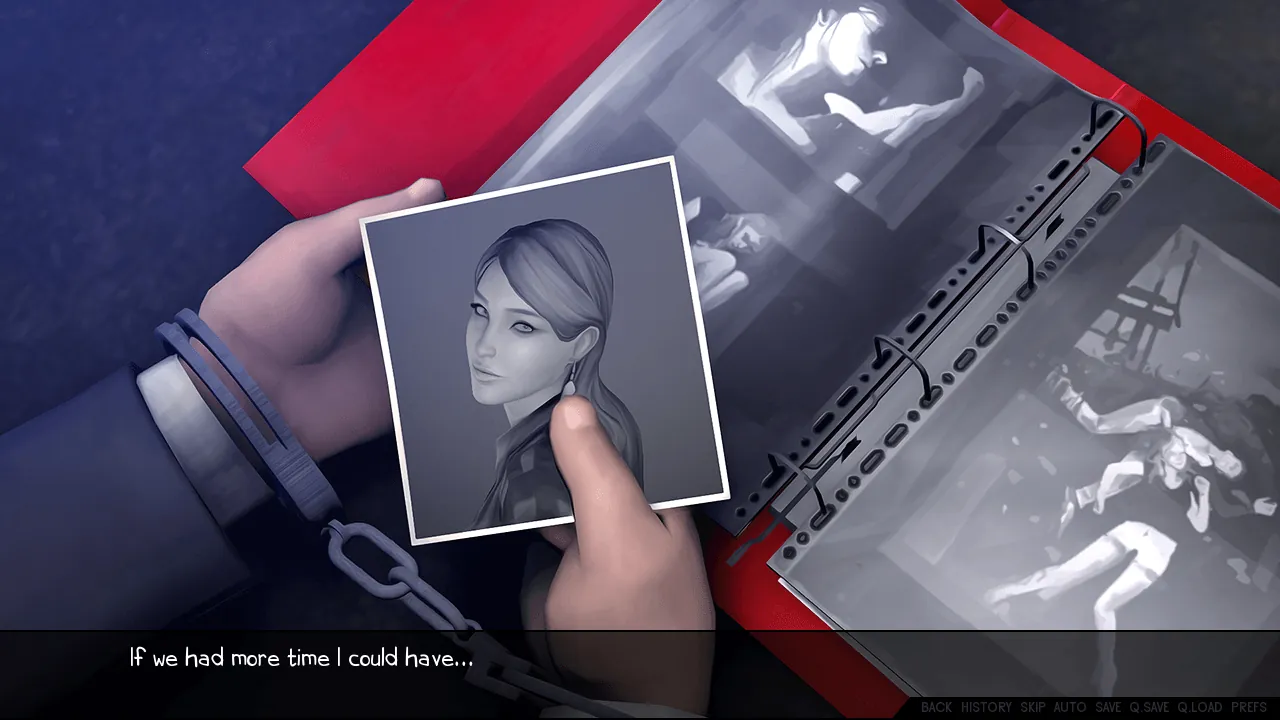
Typically, the screen is dominated by the current background (a sunny campus café, a serene park at dusk) and the character sprites—the beautifully drawn representations of who you’re talking to. The dialogue text appears at the bottom, often with a portrait of the speaking character. A small click indicator (like a blinking arrow or text) lets you know when you can advance. Sometimes, the game will auto-play lines for dramatic effect, pulling you deeper into the moment.
Beyond just clicking, Sunville often incorporates light exploration. You might get a screen with several locations you can click on—like the “University Library,” “Central Plaza,” or “Dorm Lounge.” Choosing a location dictates which character you’ll run into or which slice of the story you’ll see next. This is your first layer of agency in shaping your day and, by extension, your relationships.
To get you started on the right foot, here’s a quick step-by-step guide to navigating your first moments in the game:
- Launch and New Game: Start the game and select ‘New Game’ from the main menu. You’ll often be asked to name your protagonist—have fun with this! It makes the experience more personal.
- Adjust Your Settings: Before diving in, hit the ‘Settings’ or ‘Config’ menu. Here, you can adjust text speed, auto-play speed, voice volume, and enable subtitles. I always turn text speed to max and enable “Skip Read Text” for replaying scenes—a total time-saver!
- Understand the Interface: Familiarize yourself with the UI. The dialogue box is your main focus. Look for the backlog or history button (usually an icon with lines or an arrow); pressing this lets you reread previous lines if you clicked too fast.
- First Interactions: Your first few clicks will introduce the core cast. Pay attention to names and personalities. The game is great at showing, not just telling, who these characters are.
- Your First Choice: When a dialogue option finally appears, don’t panic! There’s no timer. Read each option carefully and think about which feels most true to how you want to respond. This is where your story begins to branch.
To make it even clearer, here’s a table of the core interface elements you’ll use constantly:
| Element | What It Does | Pro Tip |
|---|---|---|
| Dialogue Box | Displays character conversations and narration. Click anywhere to advance. | You can often hold down the Ctrl key to temporarily speed through text you’ve already read. |
| Character Sprite | The visual representation of the character speaking. Expressions change based on the conversation. | Watch their expressions closely! A flicker of sadness or a surprised blush can give away hidden feelings. |
| Backlog / History | A log of every line of dialogue spoken in the current scene. | Perfect for when you get distracted or want to savor a beautifully written line again. |
| Quick Save / Load | Buttons or hotkeys (like F5/F8) to instantly save your place or load a save. | Save before EVERY major choice. Trust me, you’ll want to explore different paths. |
| Auto-Play Mode | Automatically progresses the story at a set speed, like a movie. | Great for relaxing with a snack while the story unfolds hands-free. |
Interactive Decision Systems and Branching Narratives
This is where Sunville truly shines and separates itself from a linear story. The Sunville decision system is the engine under the hood, and your choices are the fuel. It’s not about “good” or “bad” choices, but about crafting a story that feels uniquely yours. Every dialogue option, every location you pick, sends a tiny ripple through the narrative pond.
Let’s talk about Sunville dialogue options. When a character asks you a question or a situation demands your input, two to three choices will appear. These aren’t always straightforward. One option might be playful and teasing, another kind and supportive, and a third might be reserved or even sarcastic. The game excels at writing choices that feel like genuine human responses, not just obvious plot switches.
Now, let’s illustrate this with a concrete example. Imagine you’re with the studious, slightly anxious character, Leo, who’s stressing over a big exam.
- Choice A (Supportive): “You’ve been studying for weeks. I believe in you.”
- Choice B (Playful): “If you fail, I’ll treat you to coffee as a consolation prize. Deal?”
- Choice C (Direct): “Maybe you should take a five-minute break. You look pale.”
This single decision point can lead to surprisingly different outcomes. Choice A might increase Leo’s trust in you, unlocking a later scene where he confesses his insecurities. Choice B could spark a recurring joke between you two, adding a layer of playful camaraderie to all your future interactions. Choice C might lead to him taking that break with you now, triggering a unique, quiet moment of connection that wouldn’t have happened otherwise. This is the essence of a Sunville branching narrative.
These choices accumulate. The game tracks your affinity with characters behind the scenes. Consistent kindness might open up romantic routes, while a more rivalry-based dynamic could lead to a fiercely competitive but respectful friendship. Major Sunville story choices—like agreeing to help organize a major festival or deciding which character to side with in a dispute—can lock or unlock entire story arcs, leading to dramatically different endings. It’s this intricate web of cause and effect that makes replaying Sunville so rewarding. You’re not just rereading; you’re discovering a whole new story.
Character Interaction and Relationship Building
If the decision system is the engine, then Sunville character relationships are the precious cargo it’s delivering. This isn’t a game where you just pick a love interest from a menu. Relationships here are nuanced, slow-burning, and built one conversation at a time. 🏮
Each main character has their own life, goals, and anxieties. Your role is to step into their world and react to it. Building a relationship is like solving a gentle, emotional puzzle. Pay attention to what they say. Do they light up when talking about art? Do they get defensive about their family? Use your Sunville dialogue options to show that you’re listening. Sometimes, the best choice isn’t to give advice, but to simply say, “That sounds really tough. I’m here if you want to talk.”
The game often structures this progression through in-game seasons or episodes. You might have a “Spring Semester” arc where you meet everyone, followed by a “Summer Festival” arc where relationships deepen under the fireworks. This episodic structure gives the story a natural rhythm and allows Sunville character relationships to grow and change over time, just like in real life.
Certain actions have a bigger impact on your bonds than others. Here’s a quick reference:
| Your Action | Potential Relationship Impact |
|---|---|
| Choosing to spend time with a specific character when given a free-time choice. | Directly increases affinity and often triggers unique, personal scenes. |
| Remembering and referencing a detail they shared earlier. | Shows you care, often leading to a surprised and touched reaction. |
| Supporting their goals during a key story conflict. | Can be a major trust-building moment, solidifying your bond. |
| Choosing a gift that matches their interests (if a gifting system exists). | A direct and effective way to show affection and understanding. |
My personal insight? Don’t try to “game” the system on your first playthrough. 😊 Go with your gut. Which character’s story are you genuinely curious about? Respond as you naturally would. That first, authentic playthrough is always the most special. Afterwards, you can use saves to go back and explore how different choices weave different relationship tapestries. Maybe that aloof character you initially clashed with becomes your closest confidant on a different path.
The beauty of Sunville visual novel gameplay lies in this balance between a guided narrative and your personal agency. You’re following a beautifully written script, but you have the power to color in the lines with your own choices, building a unique web of Sunville character relationships that makes your version of the story truly your own. So click without fear, save often, and get ready to fall in love with the world and people of Sunville, one choice at a time.
Sunville represents a compelling entry in the visual novel genre, offering players a rich experience built on interactive storytelling and meaningful decision-making. The game’s structure—combining seasonal progression with character-driven narratives and relationship systems—creates multiple pathways for engagement and replay. Understanding the core mechanics, from dialogue choices to achievement systems, allows players to approach the game with clear expectations and maximize their enjoyment. Whether you’re drawn to the narrative depth, character interactions, or the satisfaction of unlocking different story outcomes, Sunville delivers a comprehensive experience that rewards exploration and experimentation. As you begin your journey, remember that the beauty of visual novels lies in discovering how your choices shape the story, making each playthrough a unique experience worth exploring.